When Does a Zone 2 Ride Become Too Hard?

The Climb (#176)
Introduction
Most cyclists think Zone 2 is simple.
Ride easy. Keep it controlled. Build the engine.
But then someone asks a really good question:
At what point does a Zone 2 ride stop being easy and start becoming grey-zone or even hard?
And honestly, this is where the conversation gets much more useful.
Because Zone 2 isn’t just about the number on your head unit.
It’s about the stress that session creates on your body.
This was a great question I had recently:
“So at what point does a Zone 2 ride go from easy to grey to hard?
I love this question because it’s exactly where a lot of cyclists go wrong.
They think if a ride is labelled Zone 2, it must automatically be easy.
But that’s not always true.
A 45-minute Zone 2 ride when you’re fresh, fuelled and well slept is very different from a three-hour Zone 2 ride after a stressful week, poor sleep, heavy legs and a hard gym session the day before.
Same zone.
Completely different stress.
Zone 2 Is Not Always “Easy”

Zone 2 is often described as easy endurance riding.
And in many cases, it should feel easy.
You should be able to breathe comfortably, hold a conversation, and finish the ride feeling like you could have done more.
But duration changes everything.
Thirty minutes in Zone 2 might feel light.
Ninety minutes might feel comfortable.
Three hours might start to feel like work.
Four hours, especially with hills, poor fuelling or fatigue, can become a big training stress even if your power or heart rate stayed mostly in Zone 2.
That’s why I don’t just look at the zone.
I look at the whole context.
The Real Question Is: What Stress Did The Ride Create?

This is where I agree with the comment.
Sometimes it’s more useful to think about the stress factor of a session than just the zone.
A Zone 2 ride can create different types of stress depending on the rider and the situation.
It can create cardiovascular stress if your heart rate drifts higher over time.
It can create muscular stress if the ride includes climbing, low cadence work or fatigue in the legs.
It can create metabolic stress if you start under-fuelled or don’t take on enough carbohydrates during the ride.
It can create nervous system stress if you’re already tired, stressed, sleep deprived or coming off a hard training block.
So rather than asking, “Was this Zone 2?”
A better question is:
“What did this session cost me?”
When Zone 2 Starts To Become Grey Zone
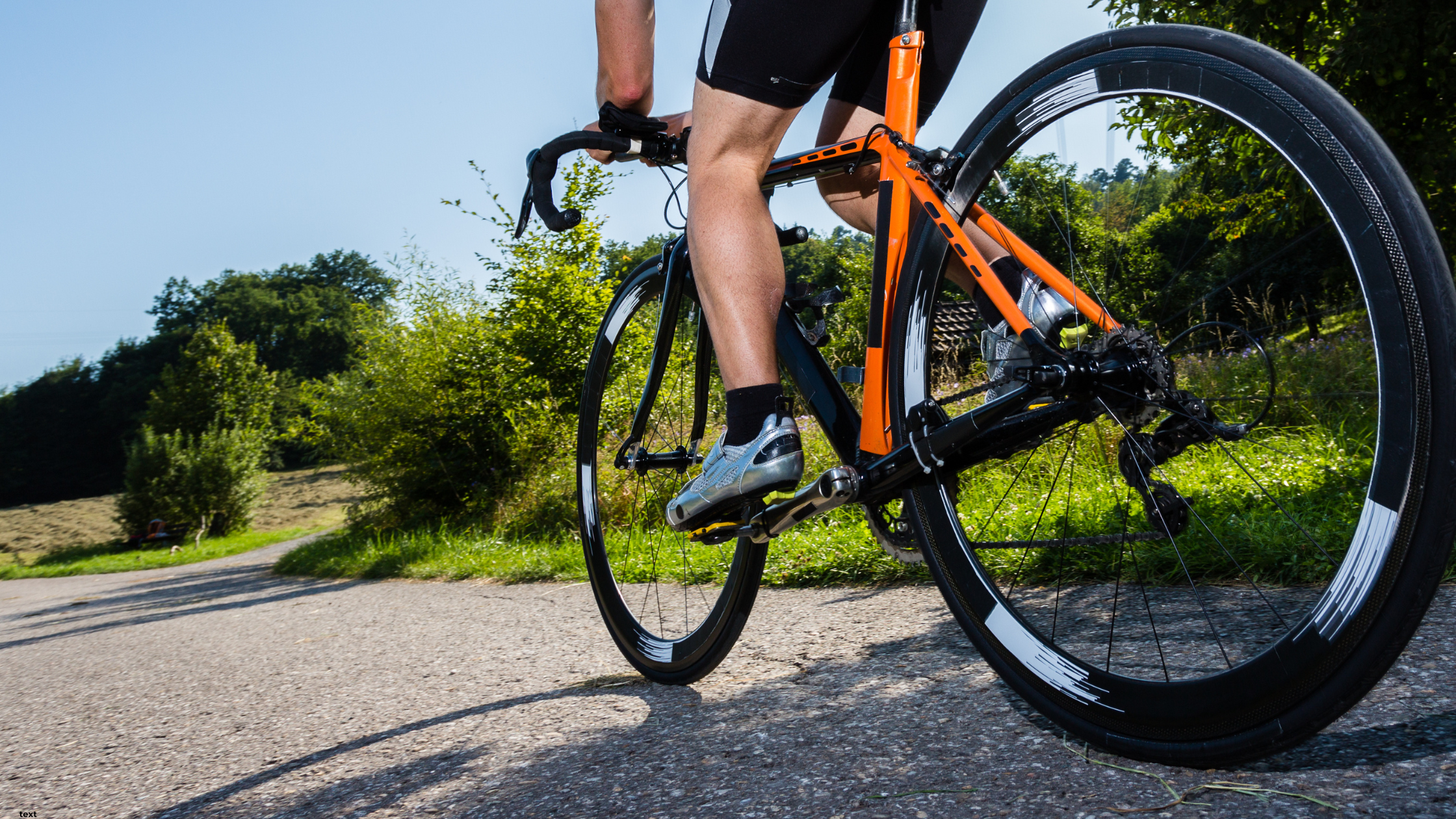
In simple terms, Zone 2 starts drifting into grey-zone territory when the session no longer feels controlled or recoverable.
This might show up in a few ways.
Your heart rate starts climbing even though your power stays the same.
Your breathing becomes more noticeable.
Your legs feel heavy rather than smooth.
You stop feeling relaxed and start having to concentrate.
You finish the ride feeling more drained than refreshed.
That’s often the sign the session has moved from easy endurance into something more stressful.
It may still technically sit inside your Zone 2 numbers, but the cost of the ride has changed.
Heart Rate Drift Is A Big Clue
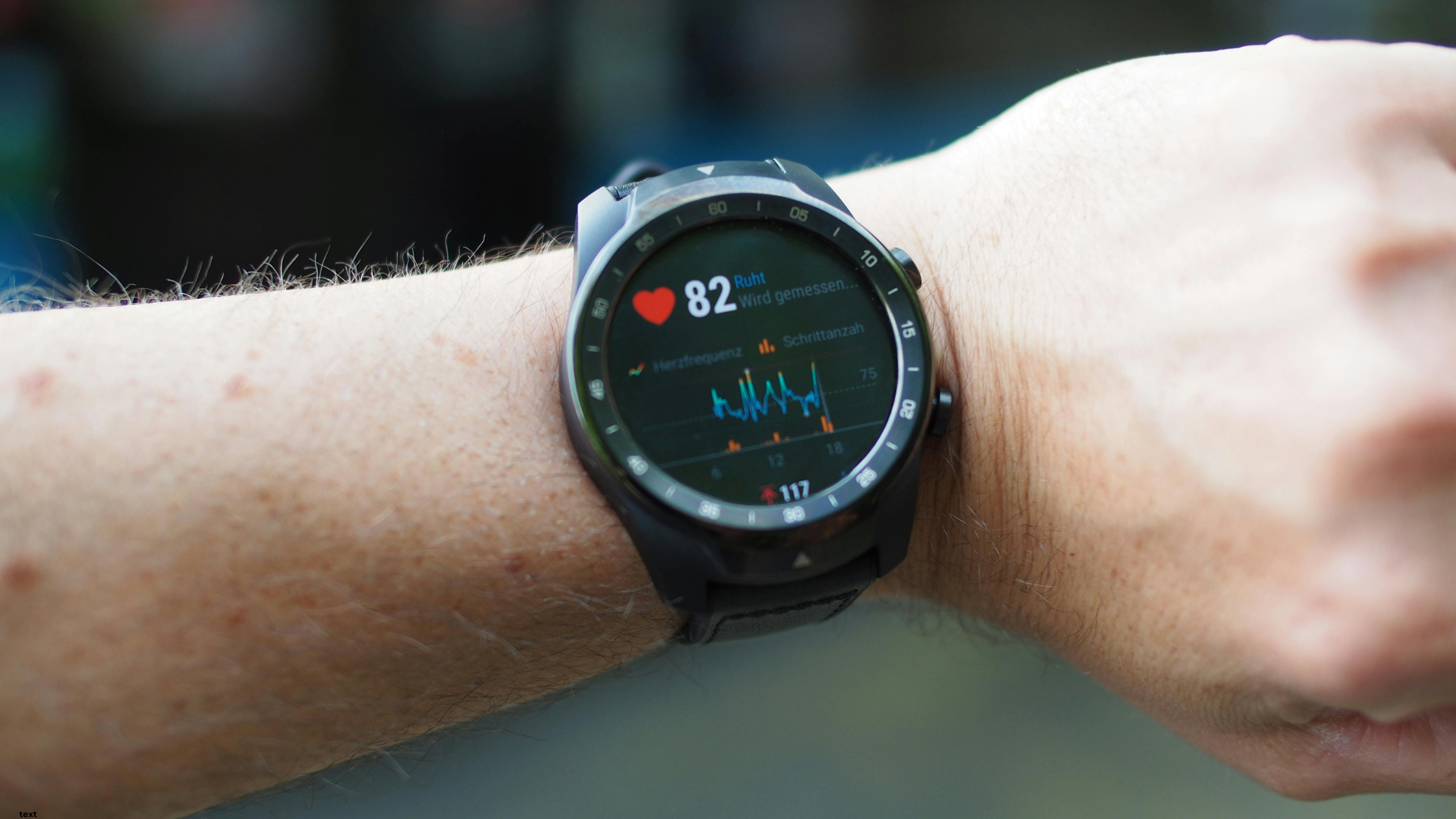
One of the biggest things I look for is heart rate drift.
If you’re riding at the same power, but your heart rate keeps rising over the ride, that tells us something.
It could mean you’re getting dehydrated.
It could mean you’re under-fuelled.
It could mean the ride is too long for your current fitness.
It could mean you’re carrying fatigue from previous sessions.
This is why power alone doesn’t tell the full story.
If you ride at 180 watts for two hours, but your heart rate starts at 125 and ends at 155, that is not the same as riding 180 watts with your heart rate sitting steadily around 130.
Same power.
Different stress.
You Don’t Start Every Session From The Same Place

This is one of the most important points.
You don’t begin every training session from the same physical state.
Some days you’re fresh.
Some days you’re tired.
Some days you’ve slept well.
Some days work has wiped you out before you even get on the bike.
Some days your legs feel fine, but your heart rate is higher than normal.
Other days your heart rate looks fine, but your legs feel like concrete.
That’s why blindly following zones can be misleading.
Your training zones might be fixed on paper, but your body is not fixed in real life.
Cardiovascular Recovery And Muscular Recovery Are Different
This is another really important point.
Your cardiovascular system and your muscles don’t always recover at the same rate.
You might feel aerobically fine. Breathing feels controlled. Heart rate looks normal.
But your legs might still be carrying fatigue from strength training, climbing, intervals or a previous long ride.
Or it can happen the other way around.
Your legs feel okay, but your heart rate is unusually high because you’re stressed, dehydrated, under-fuelled or fighting off illness.
This is why I ask clients to give feedback beyond just the data.
I want to know:
How did your legs feel?
How was your breathing?
How was your energy?
How was your sleep?
How did the ride feel afterwards?
The numbers matter, but they need context.
A Simple Way To Judge A Zone 2 Ride

If you’re unsure whether your Zone 2 ride was actually easy, ask yourself these questions.
Could I hold a conversation for most of the ride?
Did my heart rate stay relatively stable?
Did my power feel sustainable?
Did I finish feeling like I could have done more?
Did I recover well by the next day?
If the answer is yes, it was probably a true endurance ride.
If you finished smashed, hungry, sore, irritable or flat the next day, the session probably created more stress than you intended.
How I Use This With Clients
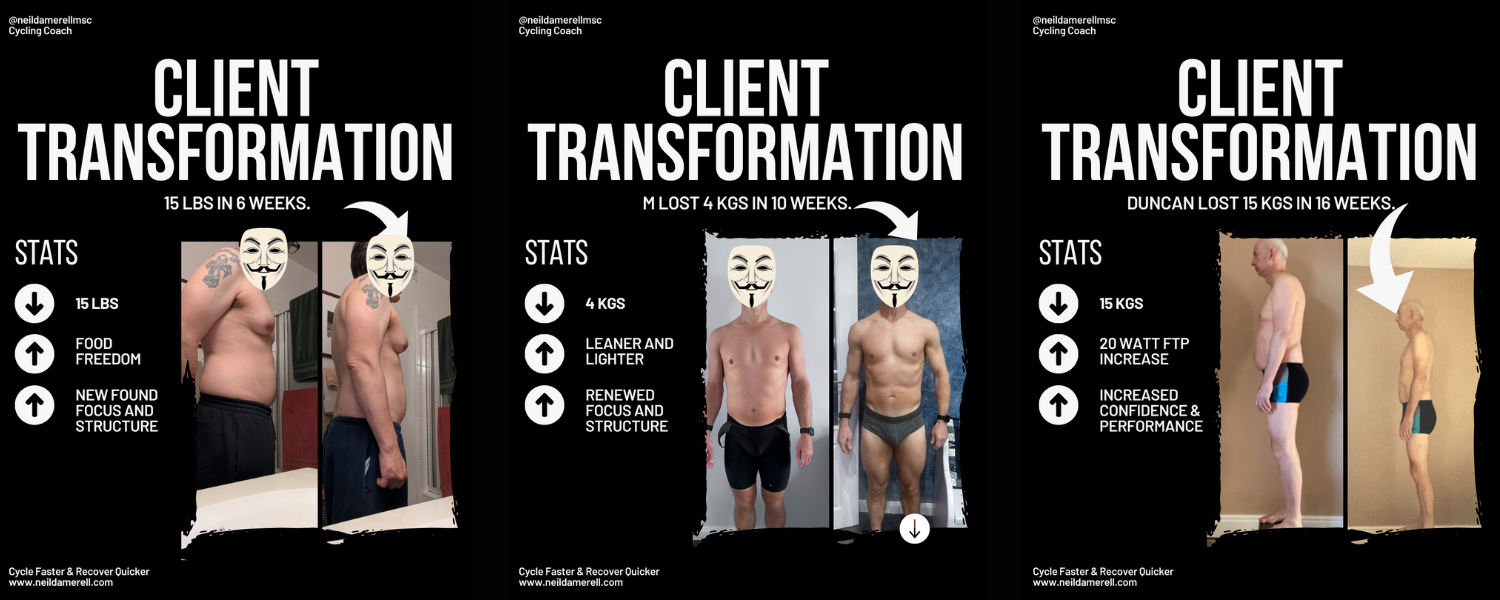
When I build training for clients, I don’t just prescribe Zone 2 for the sake of it.
I look at where it sits in the week.
If they’ve done strength training the day before, I might keep the Zone 2 session easier and shorter.
If they have a hard interval session coming up, I don’t want their endurance ride quietly draining the legs beforehand.
If they’re stressed at work or sleeping badly, I may reduce the duration or intensity.
If they’re building towards an event, I might deliberately extend Zone 2 to create more endurance stress.
It always depends on the goal of the session.
That’s the key.
Zone 2 can be recovery-supportive.
Zone 2 can be endurance-building.
Zone 2 can also become a big fatigue load if it’s too long, too frequent, too under-fuelled or placed badly in the week.
Practical Takeaways
The first thing I’d suggest is to stop judging your ride only by the zone. Look at power, heart rate, duration, fuelling, sleep and how you felt.
Second, pay attention to heart rate drift. If heart rate rises significantly while power stays the same, the session is becoming more stressful.
Third, treat duration as intensity. A long Zone 2 ride might not feel hard at the start, but the total load can still be high.
Fourth, separate muscular fatigue from cardiovascular fatigue. Heavy legs and high heart rate don’t always mean the same thing.
Finally, make sure the session matches the goal. If the goal is recovery, finish fresh. If the goal is endurance, some fatigue is fine. If the goal is performance later in the week, don’t let an “easy” ride ruin your hard session.
Final Thought
Zone 2 is not just a power number.
It’s a training stress.
And the same Zone 2 ride can be easy, grey or hard depending on your sleep, fuelling, fatigue, fitness and where it sits in your week.
So instead of asking, “Was I in Zone 2?”
Ask:
“Did this ride create the stress I wanted?”
That’s how you start training smarter.
Whenever you're ready, here are the ways I can help you:
- The Cycle Lean Coaching: Personalised 1:1 Coaching for Cyclists Who Want to Drop 6–12 kg and Add Up To 60 Watts of FTP While Riding 6-8 hours a Week!
- The Cycle Lean Blueprint: The science-backed 12-week blueprint to cycle leaner, climb stronger, and become the most resilient version of yourself.
I am an ambassador for:
Awesome Supplements: Award Winning Supplements — Our plant-based awesome protein powder is 100% UK-made with low-sugar, gluten & dairy-free.
The best protein powder I have ever tasted.
Get 10% off any product/ every time you make a purchase when using my code: DAMERELL10 at Awesome Supplements.