Cycling Nutrition for Weight Loss: Where to Start If You Feel Confused
The Climb (#175)
Introduction
Recently I had a conversation with someone who asked a question I think a lot of cyclists are quietly asking themselves:
"How do I know if I’m actually eating well?"
Not what’s the best diet.
Not whether low carb beats fasting.
Not whether they should cut calories, avoid carbs, or start tracking everything.
Just where to start.
And honestly, I think most cyclists massively overcomplicate nutrition.
Online, there’s always another rule:
Eat low carb.
Eat more protein.
Fast until lunch.
Avoid processed foods.
Track every calorie.
No wonder people feel overwhelmed.
So I thought I’d share the same advice I gave her, but through a cycling lens.
Because if you're trying to ride stronger, lose weight, improve your health, and still enjoy food, I think these principles matter much more than whatever nutrition trend is currently popular.
Start With Protein
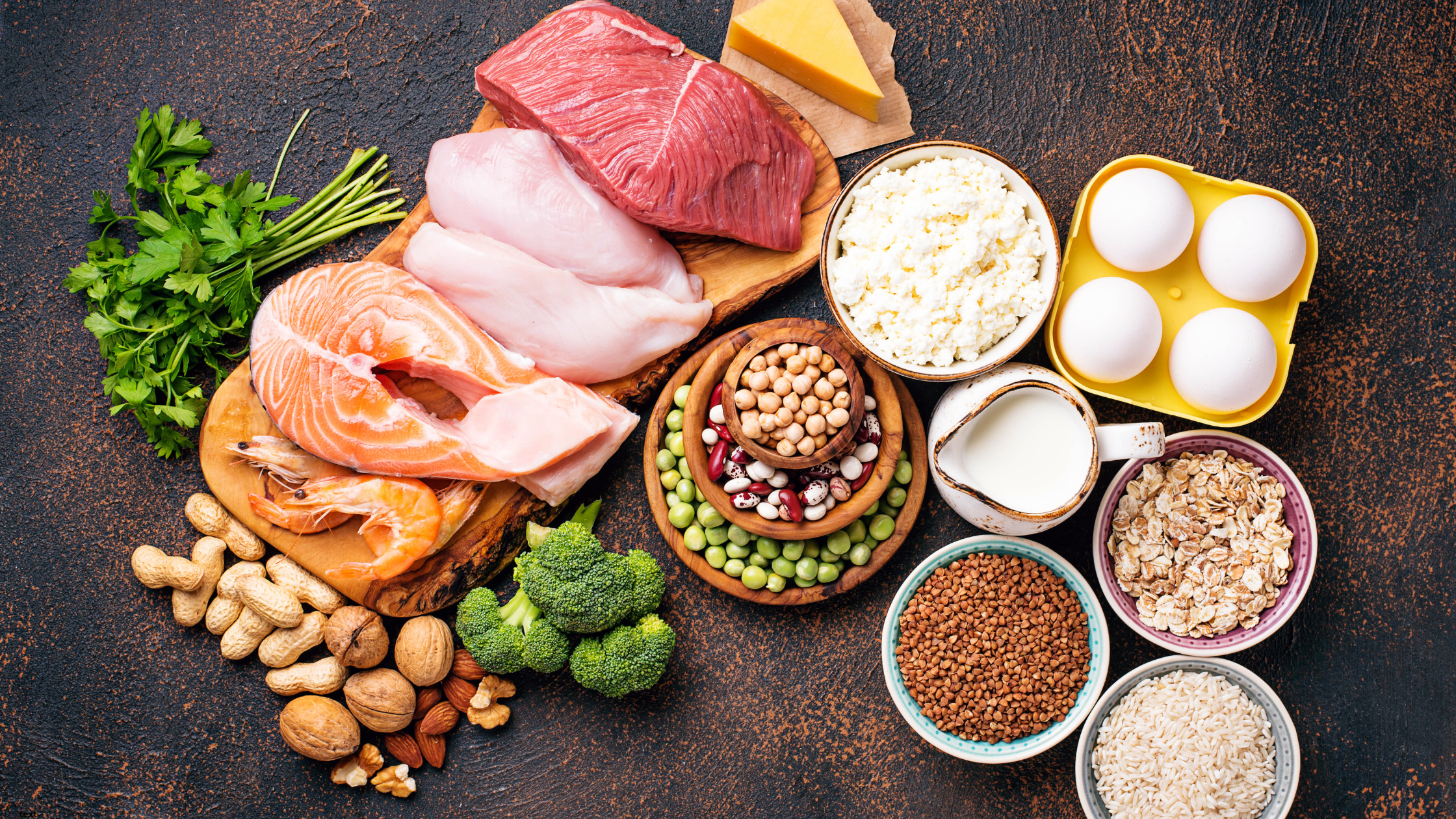
The first thing I’d focus on is protein.
As we get older, maintaining muscle becomes increasingly important. We gradually lose muscle mass with age, and if you’re a cyclist, this matters even more.
Cycling itself isn't enough to preserve muscle.
That’s one of the reasons I encourage aiming for around one gram of protein per kilogram of body weight as a starting point.
If you weigh 70kg, aim for around 70g of protein each day.
Protein helps repair muscle fibres, supports recovery, and becomes even more important if you're strength training alongside your riding.
Good sources include:
- eggs
- Greek yoghurt
- lean meats
- fish
- lentils
- beans
- dairy
- nuts and seeds
You don’t need perfection.
You just need consistency.
Most Cyclists Need More Fibre Than They Think
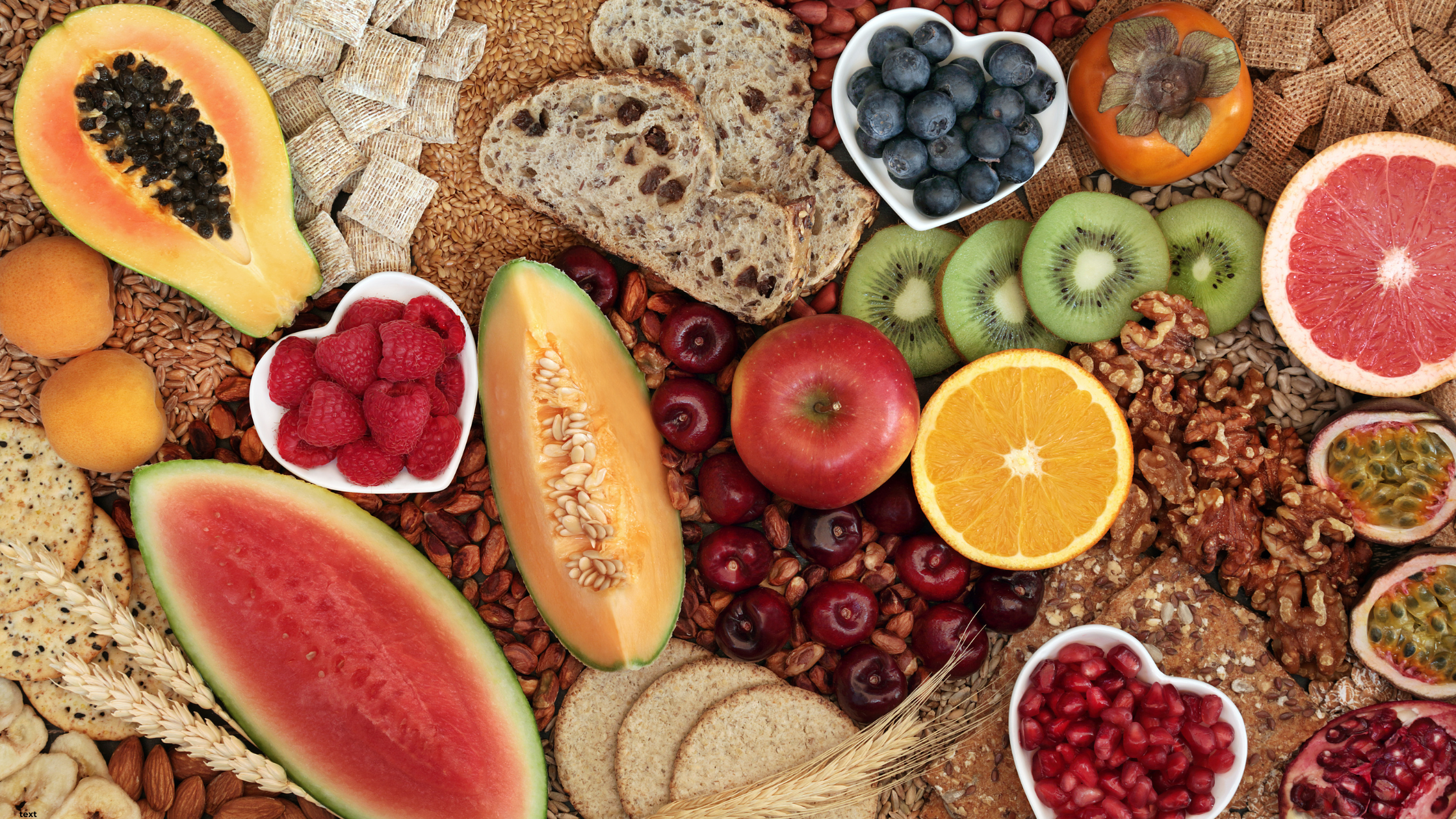
The next thing I’d focus on is fibre.
Most people massively underestimate how important this is.
Average fibre intake in the UK is surprisingly low, yet fibre supports:
- gut health
- bowel health
- satiety
- blood sugar control
- long-term health
Aim for around 30g per day.
The easiest way to get there is simple:
Make half your plate vegetables at meals.
Add more:
- fruit
- beans
- lentils
- whole grains
- oats
- pulses
And make sure you're drinking enough water alongside it.
Because fibre without enough hydration can make things harder rather than better.
Hydration: The Most Overlooked Performance Habit
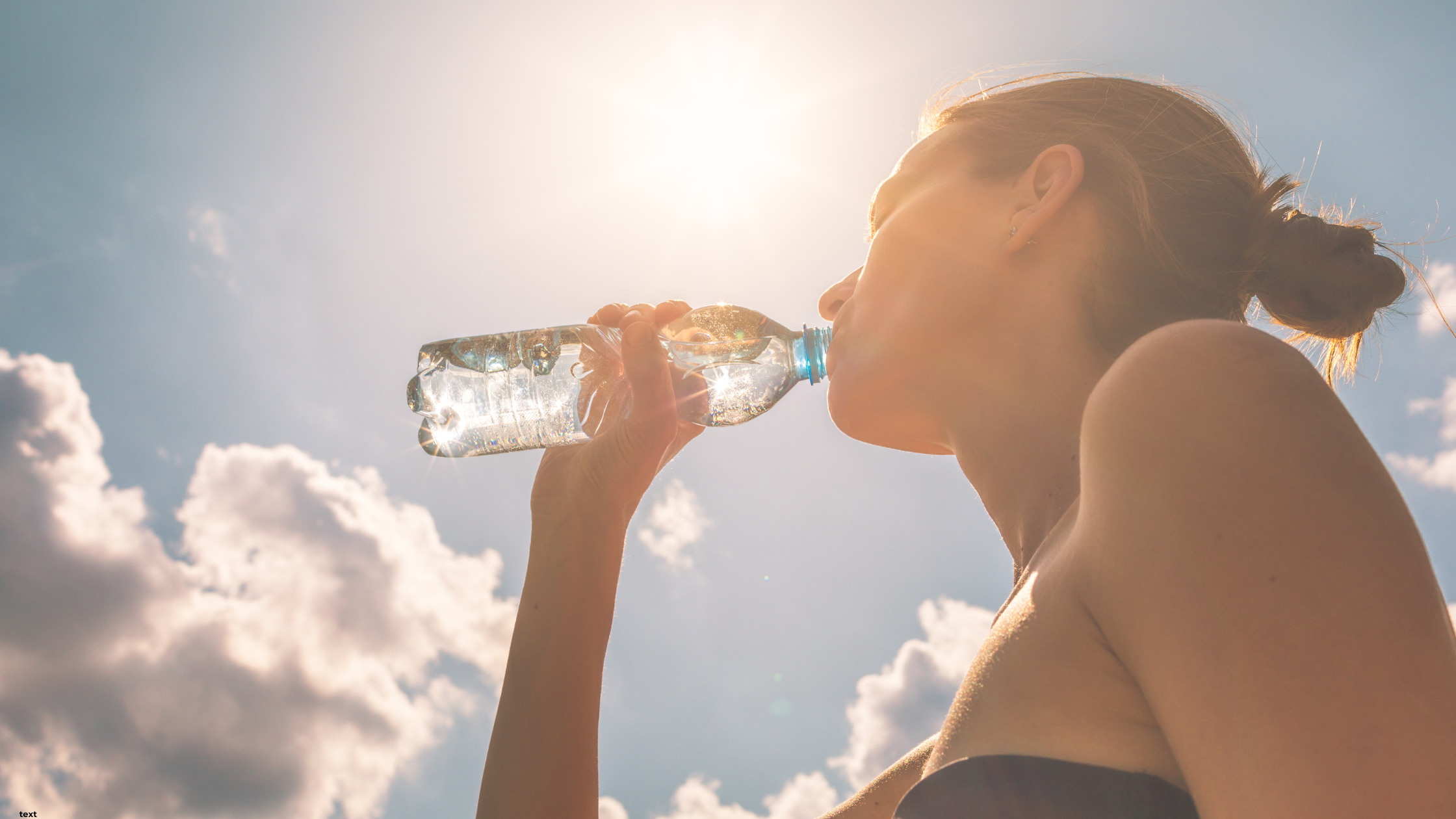
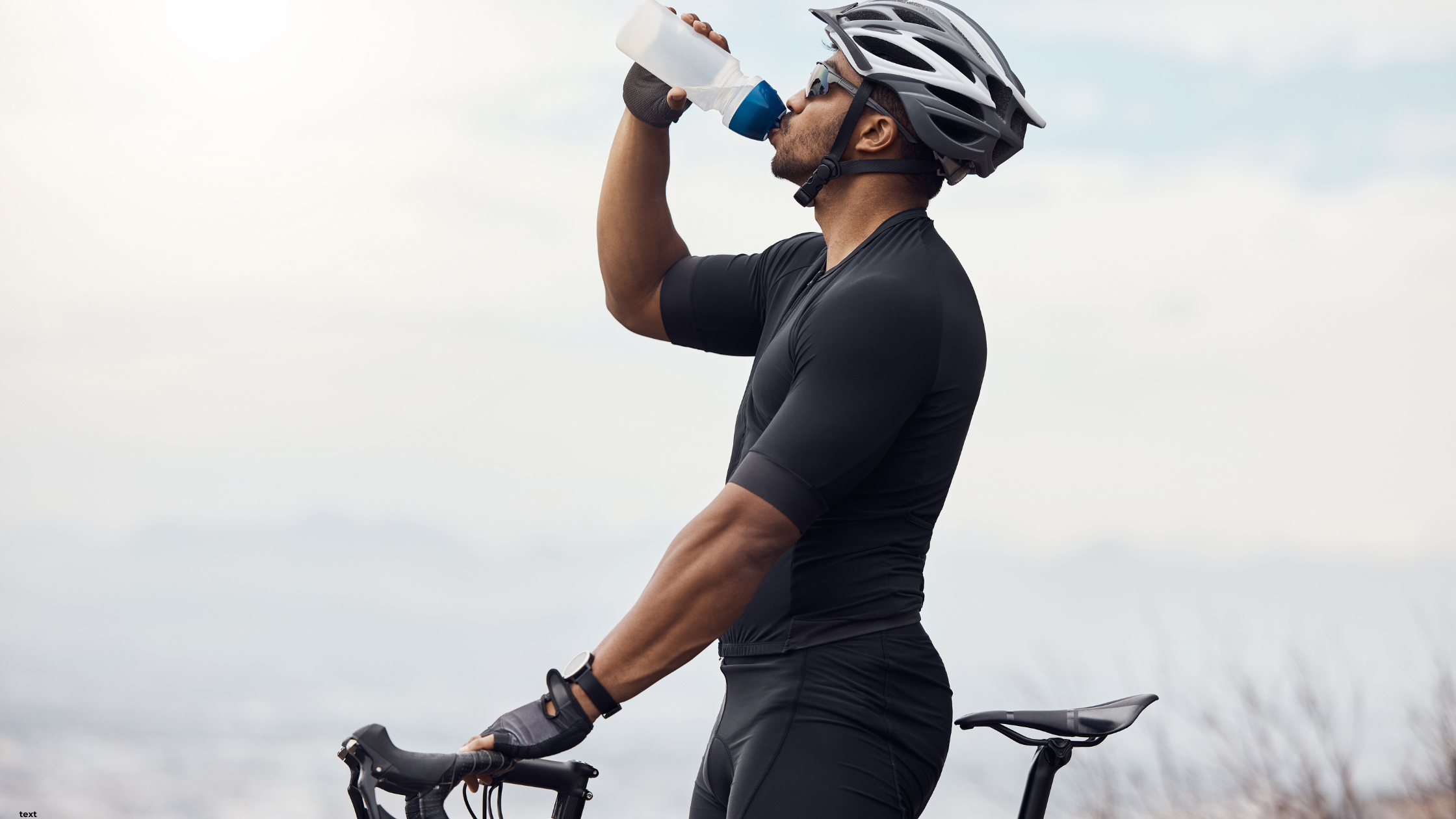
Hydration is probably one of the most overlooked habits I see.
Most people think they drink enough.
But from years of health assessments and reviewing blood work, many people simply don’t.
Personally, I front-load my hydration.
I keep a litre of water beside my bed and drink it early in the morning.
You've gone all night without fluids. You're probably at your most dehydrated point of the day when you wake up.
It’s a small habit.
But small habits repeated consistently often create the biggest results.
I also try to drink more earlier in the day and reduce intake later in the evening so I’m not waking up during the night needing the toilet.
The Nutrition Mistake Most Cyclists Make
This is where cyclists often get confused.
They combine performance nutrition and health nutrition.
I think they should be viewed differently.
What you eat on the bike is there to fuel performance.
What you eat off the bike is there to support health and body composition.
For example:
If you weigh 70kg and head out for a four-hour ride, a simple starting point is around one gram of carbohydrate per kilogram per hour.
That means around 70g of carbs every hour.
Fuel the ride properly.
Because what I see happen all the time is cyclists trying to “save calories” on the bike.
Then they finish depleted, come home starving, raid the fridge, and end up eating far more later.
Then they wonder why weight loss feels difficult.
Fuel for performance on the bike.
Manage body composition off the bike.
That one shift changes a lot.
If I Could Only Change Three Things

If someone asked me to simplify nutrition down to just three changes this month, this would be it:
Drink more water.
Have fruit and vegetables at every meal.
Reduce decision fatigue.
That last one is massively underestimated.
Healthy eating isn’t difficult because people lack information.
It’s difficult because life gets busy.
You wake up late.
Skip breakfast.
Grab whatever is convenient.
Then repeat it tomorrow.
So simplify things.
Eat similar breakfasts.
Prepare food beforehand.
Reduce the number of decisions you need to make.
For me, it might be overnight oats or Greek yoghurt with fruit and nuts.
Not because it's perfect.
Because it's easy.
Consistency almost always beats complexity.
Conclusion
Most cyclists don’t need another diet.
They don’t need fasting protocols, supplements, or a list of foods to avoid.
They need a starting point.
Because foundations nearly always beat hacks.
Focus on protein.
Eat more fibre.
Drink more water.
Fuel your rides properly.
Keep things simple enough that you can actually stick to it.
Because nutrition doesn’t need to be perfect.
It just needs to support the life and riding you want.
Whenever you're ready, here are the ways I can help you:
- The Cycle Lean Collective: Personalised 1:1 Coaching for Cyclists Who Want to Drop 6–12 kg and Add Up To 60 Watts of FTP While Riding 6-8 hours a Week!
- The Cycle Lean Blueprint: The science-backed 12-week blueprint to cycle leaner, climb stronger, and become the most resilient version of yourself.
I am an ambassador for:
Awesome Supplements: Award Winning Supplements — Our plant-based awesome protein powder is 100% UK-made with low-sugar, gluten & dairy-free.
The best protein powder I have ever tasted.
Get 10% off any product/ every time you make a purchase when using my code: DAMERELL10 at Awesome Supplements.