Weight-Loss Drugs And Cycling: What Cyclists Over 40 Should Think About First
The Climb (#187)
Introduction
Weight-loss injections are becoming a much bigger conversation.
Ozempic, Wegovy, Mounjaro and other GLP-1 medications are being talked about everywhere.
In clinics.
In workplaces.
In sport.
And now, more and more, in the world of cycling.
I can understand why.
Cycling is a weight-sensitive sport. If you can lose weight, especially body fat, then in theory you may improve your power-to-weight ratio, climb better, and feel stronger on the bike.
But that is where this topic needs a lot more nuance.
Because losing weight is not the same as becoming a better cyclist.
And for cyclists over 40, this really matters.
This is not medical advice. If you are considering any medication, that conversation needs to happen with a qualified medical professional.
But from a coaching and clinical perspective, I think there are some important things cyclists need to think about before they see GLP-1s as the answer to weight loss and performance.
The Medication Is Not The Biggest Issue
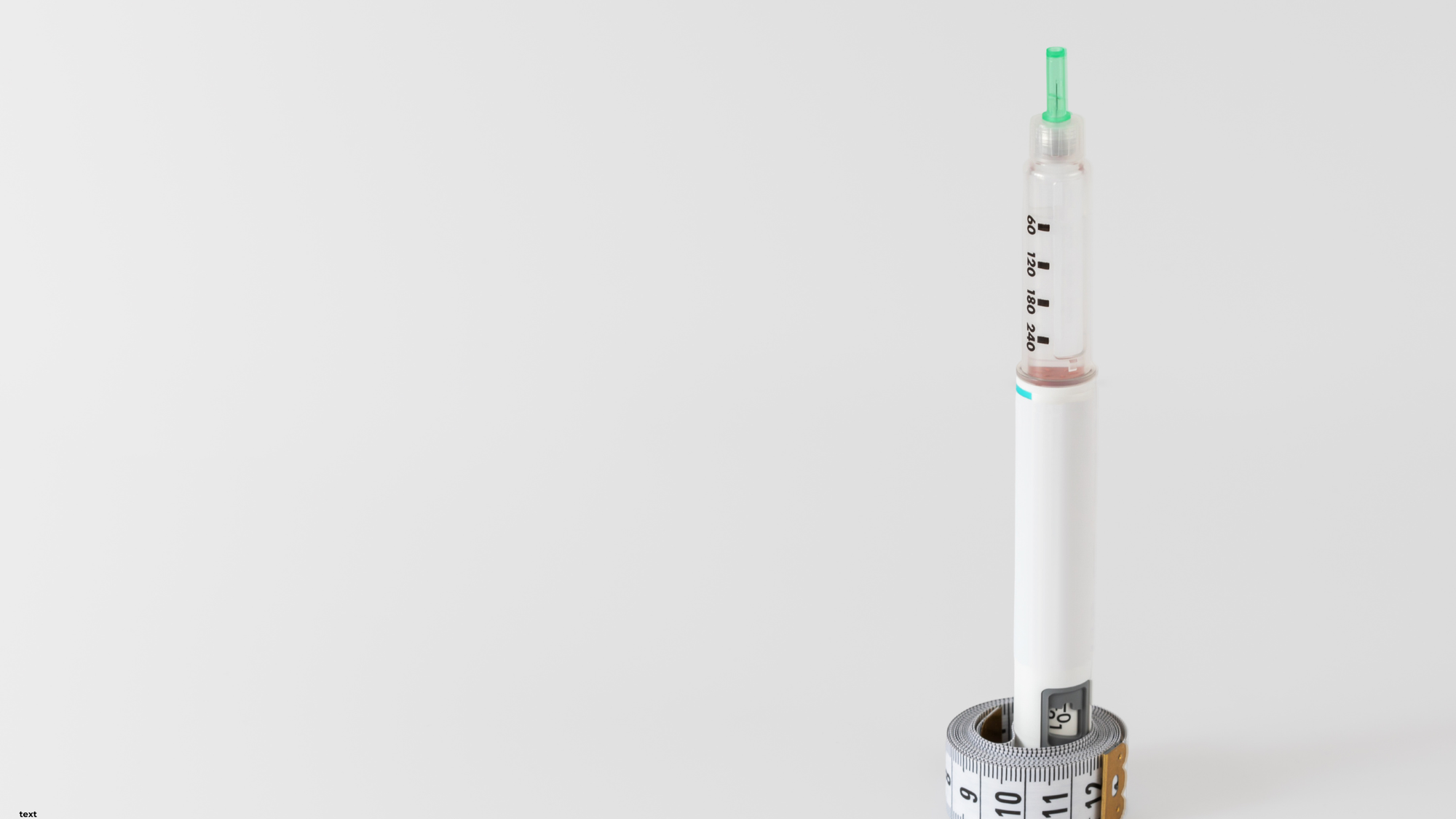
From my experience working in clinic, and seeing more patients using GLP-1s, the biggest missing piece is often not the medication itself.
It is the lack of support around it.
A lot of people are being supported in a very basic way.
Are they losing weight?
Are they feeling sick?
Do they need the dose increased or reduced?
That is usually where the conversation ends.
But very often, they are not getting proper support around nutrition.
They are not being guided on protein intake.
They are not being taught how to maintain muscle.
They are not getting support around exercise.
They are not being helped with their relationship with food.
And they are not being shown what happens after they stop taking the medication.
That last point is huge.
Because if you lose weight but learn nothing about managing your nutrition, your appetite, your lifestyle, your training, or your habits, what happens when the medication is removed?
For many people, the weight comes back.
That is why I think the biggest question is not:
“Can this help me lose weight?”
It is:
“What am I learning while I’m losing it?”
Because if the only reason weight is coming down is because appetite has been switched off, then you need to think carefully about what happens when appetite comes back.
Why This Matters More For Cyclists

For a cyclist, appetite suppression can create a very specific problem.
You still need to fuel training.
You still need enough energy to ride.
You still need protein to support muscle.
You still need carbohydrates for harder efforts and longer rides.
You still need enough calories to recover.
And that becomes difficult if you simply don’t feel hungry.
In clinic, I have seen people on GLP-1s eating so little that they are not even close to meeting the energy requirements needed to support normal body function, let alone training.
Now add cycling on top.
Intervals.
Long rides.
Hills.
Group rides.
Strength work.
Recovery.
That is a very different situation to someone who is sedentary and just trying to reduce body weight.
If you are a cyclist using GLP-1s, you cannot just think about weight loss.
You have to think about energy availability.
Because if your calorie intake drops too low, your training will suffer.
Your recovery may suffer.
Your immune system may suffer.
Your mood and energy may suffer.
And your ability to produce power on the bike may suffer.
Lighter Does Not Automatically Mean Faster
A lot of cyclists think:
“If I lose 10kg, I’ll climb better.”
But that is not automatically true.
If you lose 10kg quickly, that weight loss will usually be a mixture of fat, water, glycogen, and potentially muscle.
And if you lose muscle, you may also lose power.
So yes, you may be lighter.
But are you stronger?
Can you still ride hard?
Can you still recover?
Can you still hold power on a climb?
Can you still fuel a long ride?
Can you still train consistently?
That is what matters.
Losing weight only helps performance if the process supports the performance you want.
If you lose weight and your power drops with it, your watts per kilo might not improve in the way you hoped.
And even if the numbers look better on paper, you might feel worse on the bike.
That is why I do not like the idea that weight loss automatically equals better climbing.
It depends how the weight is lost.
What I See In Coaching

I have had clients lose significant amounts of weight without needing to destroy their training.
Duncan lost around 14kg while improving his cycling and becoming far more capable on the bike.
Martin lost around 15lb during Cycle Lean while still following structured training.
Other clients have lost 5–6kg while improving FTP, feeling stronger, and building more confidence on longer rides.
The reason this worked was not just because they lost weight.
It was because they had structure around it.
They were training consistently.
They were fuelling rides properly.
They were strength training.
They were improving their daily habits.
They were learning how to manage food around work, family, training, weekends, hunger and social life.
That is very different from simply suppressing appetite and hoping weight loss solves everything.
If a cyclist loses weight while maintaining muscle, fuelling training, building strength, and improving habits, that can be powerful.
But if a cyclist loses weight quickly while under-fuelling, losing muscle, skipping strength work and learning nothing about food, that can create more problems than it solves.
The Muscle Loss Problem
One of my biggest concerns with GLP-1s and cyclists over 40 is muscle loss.
This matters because after 40, maintaining muscle becomes more important, not less.
Muscle helps support strength.
It helps with power production.
It helps with resilience.
It helps with daily function.
It helps protect long-term health.
And for cyclists, it can help you feel stronger on and off the bike.
If appetite is low and protein intake drops, muscle loss becomes a real concern.
Especially if strength training is not included.
So if someone is using GLP-1s, I would argue strength training becomes even more important.
Not optional.
Important.
You need to give the body a reason to keep muscle.
You also need enough protein to support that process.
Otherwise, the scale might move in the right direction, but body composition and performance may not.
How Should A Cyclist Fuel If Appetite Is Low?
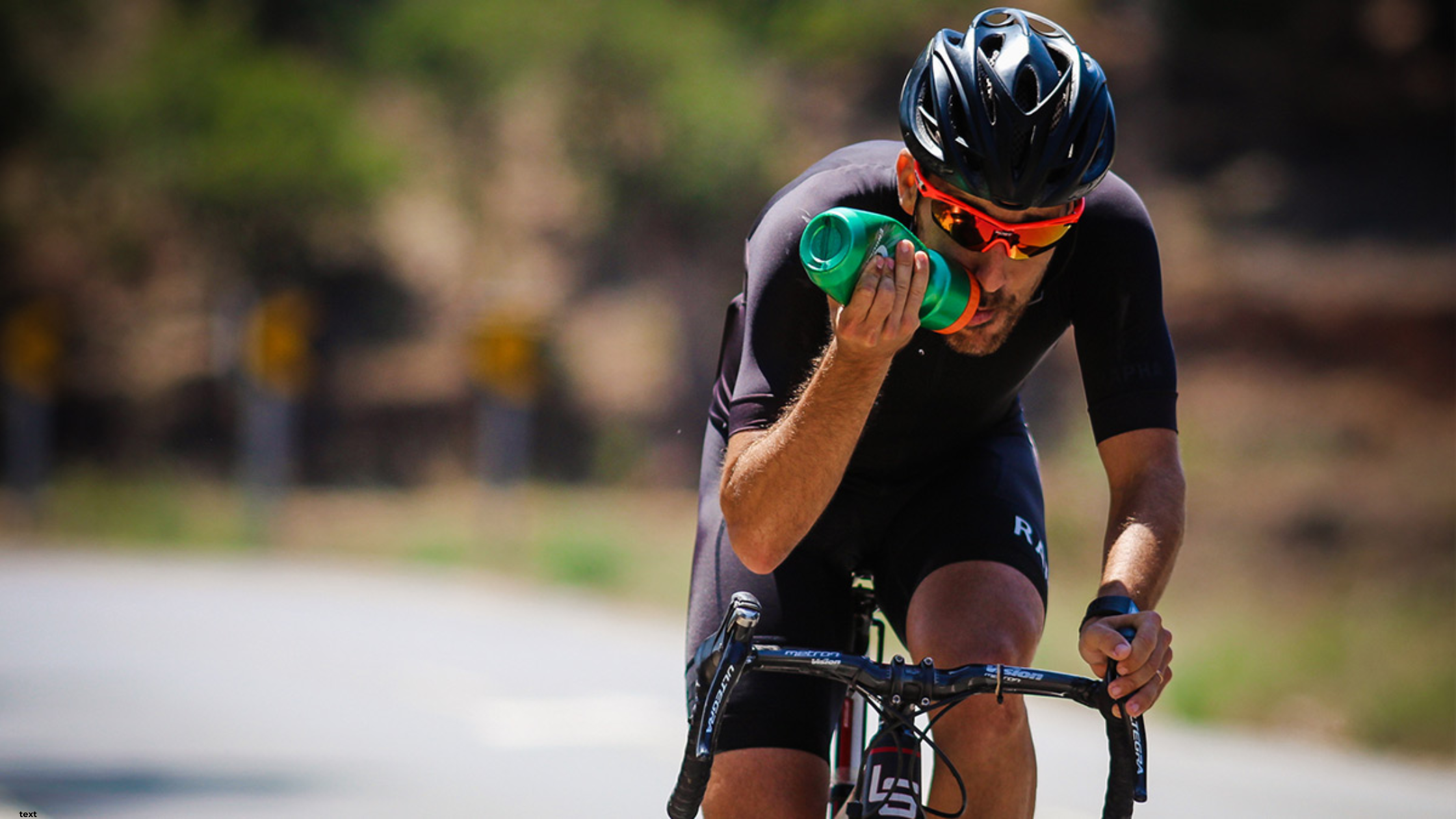
If appetite is low, relying on hunger is a poor strategy.
Because hunger might not show up when you need it to.
This is where cyclists need a plan.
For longer rides, liquid carbohydrates may be easier than solid food.
Carbohydrate drink mix.
Energy drinks.
Gels.
Smoothies.
Recovery shakes.
Liquid calories can help you meet your carbohydrate needs without filling you up as much as solid food.
Small meals across the day may also work better than trying to eat large meals.
Protein needs to be prioritised.
Not because protein is magic, but because it supports muscle maintenance, recovery, and satiety.
And for longer rides, you still need to fuel the work.
If you go out for a long ride with a suppressed appetite and no plan, you are putting yourself at greater risk of bonking.
Not because you lack discipline.
But because the normal hunger cues you rely on may not be there.
So you need to be intentional.
Plan your fuelling before the ride.
Use liquid carbs if needed.
Do not wait until you feel hungry.
By then, it might be too late.
The Long-Term Question
The biggest question I would ask any cyclist considering GLP-1s is this:
What lessons are you going to learn from using them?
Are you going to get better at managing your portion sizes off the bike?
Are you going to learn how to fuel rides properly?
Are you going to understand your hunger after long rides?
Are you going to plan meals better?
Are you going to improve your protein intake?
Are you going to strength train?
Are you going to build habits you can keep when the medication stops?
Because if the answer is no, you have to be honest about what happens next.
The medication may help you lose weight.
But if you learn nothing about how to maintain that weight loss, you may end up back where you started.
This is why I think lifestyle support is essential.
Not because people need to be judged.
But because people need help.
Weight loss is not just about appetite.
It is about behaviour.
Environment.
Stress.
Sleep.
Training.
Habits.
Relationship with food.
And if those things are ignored, then long-term maintenance becomes much harder.
It Is Not About Demonising The Medication
I am not here to say GLP-1s are bad.
For some people, when prescribed properly, they may be a very useful medical tool.
But they are not a replacement for the basics.
They do not replace nutrition education.
They do not replace strength training.
They do not replace learning how to fuel rides.
They do not replace recovery.
They do not replace lifestyle habits.
They do not replace understanding your relationship with food.
And they definitely do not automatically make you a better cyclist.
They may help with weight loss.
But cycling performance is more than body weight.
It is power.
Recovery.
Energy.
Muscle.
Fuelling.
Consistency.
Confidence.
And long-term health.
What Cyclists Over 40 Should Do First
If you are over 40 and thinking about GLP-1s because you want to lose weight and ride better, here is what I would think about first.
Speak to a medical professional.
Understand why you want to use them.
Do not use them purely as a shortcut for cycling performance.
Get proper nutrition support.
Prioritise protein.
Strength train consistently.
Plan your ride fuelling.
Use liquid carbohydrates if appetite is low.
Track performance, not just body weight.
Look at weekly weight averages, not daily panic.
Ask what habits you are building for life after the medication.
And most importantly, do not confuse rapid weight loss with better performance.
Action Steps For This Week
Even if you are not using GLP-1s, this topic should make you think.
Because the basics still apply.
Ask yourself:
Am I fuelling my rides properly?
Am I eating enough protein?
Am I strength training at least once or twice per week?
Am I trying to lose weight too quickly?
Am I judging progress only by the scale?
Am I building habits I can maintain long term?
Am I trying to become lighter at the expense of becoming weaker?
If you are using GLP-1s, these questions become even more important.
Because the scale going down is only one part of the picture.
The goal is not just to be lighter.
The goal is to be healthier, stronger, better fuelled, and more capable on and off the bike.
Final Thought
Weight-loss drugs may change the conversation around body weight in cycling.
But they do not change what the body needs to perform.
You still need energy.
You still need muscle.
You still need strength.
You still need recovery.
You still need habits.
And you still need to learn how to manage your nutrition in a way that works when real life gets messy.
So if you are a cyclist over 40 looking at GLP-1s as the answer, think long and hard about what you actually want.
Do you just want the scale to go down?
Or do you want to become a stronger, healthier, more capable cyclist?
Because those are not always the same thing.
If this has made you think more carefully about how you’re trying to lose weight as a cyclist, this is exactly what we cover inside The Cycle Lean Project.
Not quick fixes.
Not starving yourself.
Not losing weight at the expense of your riding.
But learning how to fuel your training, manage your nutrition, build strength, lose body fat, and create habits that actually last.
The priority list for The Cycle Lean Project is now open.
If you want first access before spaces go public, add your name to the list below.
You’ll get early access, priority pricing, and the best chance of securing a place when doors open.
Whenever you're ready, here are the ways I can help you:
- The Cycle Lean Coaching: Personalised 1:1 Coaching for Cyclists Who Want to Drop 6–12 kg and Add Up To 60 Watts of FTP While Riding 6-8 hours a Week!
- The Cycle Lean Blueprint: The science-backed 12-week blueprint to cycle leaner, climb stronger, and become the most resilient version of yourself.
I am an ambassador for:
Awesome Supplements: Award Winning Supplements — Our plant-based awesome protein powder is 100% UK-made with low-sugar, gluten & dairy-free.
The best protein powder I have ever tasted.
Get 10% off any product/ every time you make a purchase when using my code: DAMERELL10 at Awesome Supplements.