Stop Trying To Lose Weight Like A Non-Cyclist
The Climb (#180)
Introduction
Cyclists over 40 should not diet like sedentary people.
That might sound obvious.
But it’s one of the biggest mistakes I see.
A cyclist trying to lose weight will often copy the same advice given to someone who doesn’t train.
Cut carbs.
Skip breakfast.
Fast until lunch.
Eat less every day.
Avoid sugar completely.
That might work for someone who is not asking their body to perform.
But if you’re riding, doing intervals, going long at the weekend, and trying to build fitness, your body needs fuel.
The goal is not to eat as little as possible.
The goal is to lose weight while still riding well.
Why Cyclists Need A Different Approach
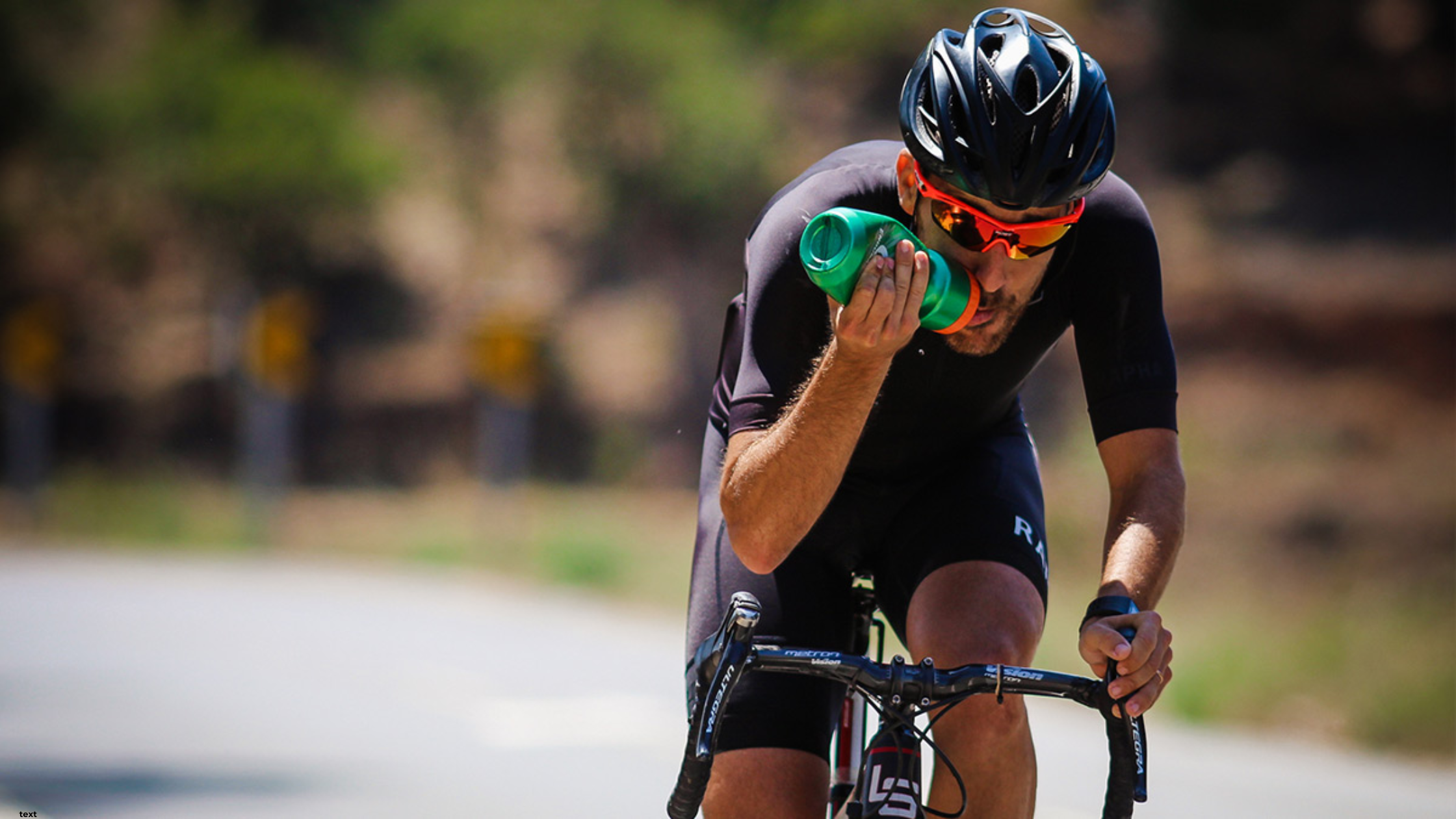
Cycling performance, especially at moderate to high intensity, relies heavily on carbohydrate availability.
Your body stores carbohydrate as glycogen in the muscles and liver. During harder rides, climbs, intervals, and long endurance sessions, that glycogen becomes a key fuel source.
Sports nutrition guidelines consistently emphasise that carbohydrate and overall energy availability need to match training demands. For longer endurance sessions, carbohydrate intake during exercise commonly ranges from around 30–60g per hour, with higher intakes up to around 90g per hour used for longer events when tolerated.
This doesn’t mean you need to eat huge amounts of carbs all day.
It means you need to place them where they matter.
Around training.
The Problem With Dieting Too Hard
If you cut calories too aggressively while training, you may lose weight quickly at first.
But there’s usually a cost.
You feel flat on the bike.
Your power drops.
You recover slowly.
You crave more food later.
You sleep worse.
You become more irritable.
You lose consistency.
And eventually, the plan falls apart.
This is why fast weight loss is often not the best approach for cyclists over 40.
You don’t just want to weigh less.
You want to ride stronger at a lighter weight.
That means protecting training quality while gradually reducing body fat.
Fuel The Work
This is one of the biggest principles I use with clients.
Fuel the work.
If you have a hard interval session, don’t go into it depleted.
If you have a long ride, take carbohydrates with you.
If you’re training early, think about what you ate the night before or whether you need something small before you start.
This isn’t about eating more for the sake of it.
It’s about making sure the training session does what it’s supposed to do.
A poorly fuelled session often becomes a survival exercise.
A well-fuelled session becomes a training stimulus.
That difference matters.
Manage The Deficit Away From The Bike
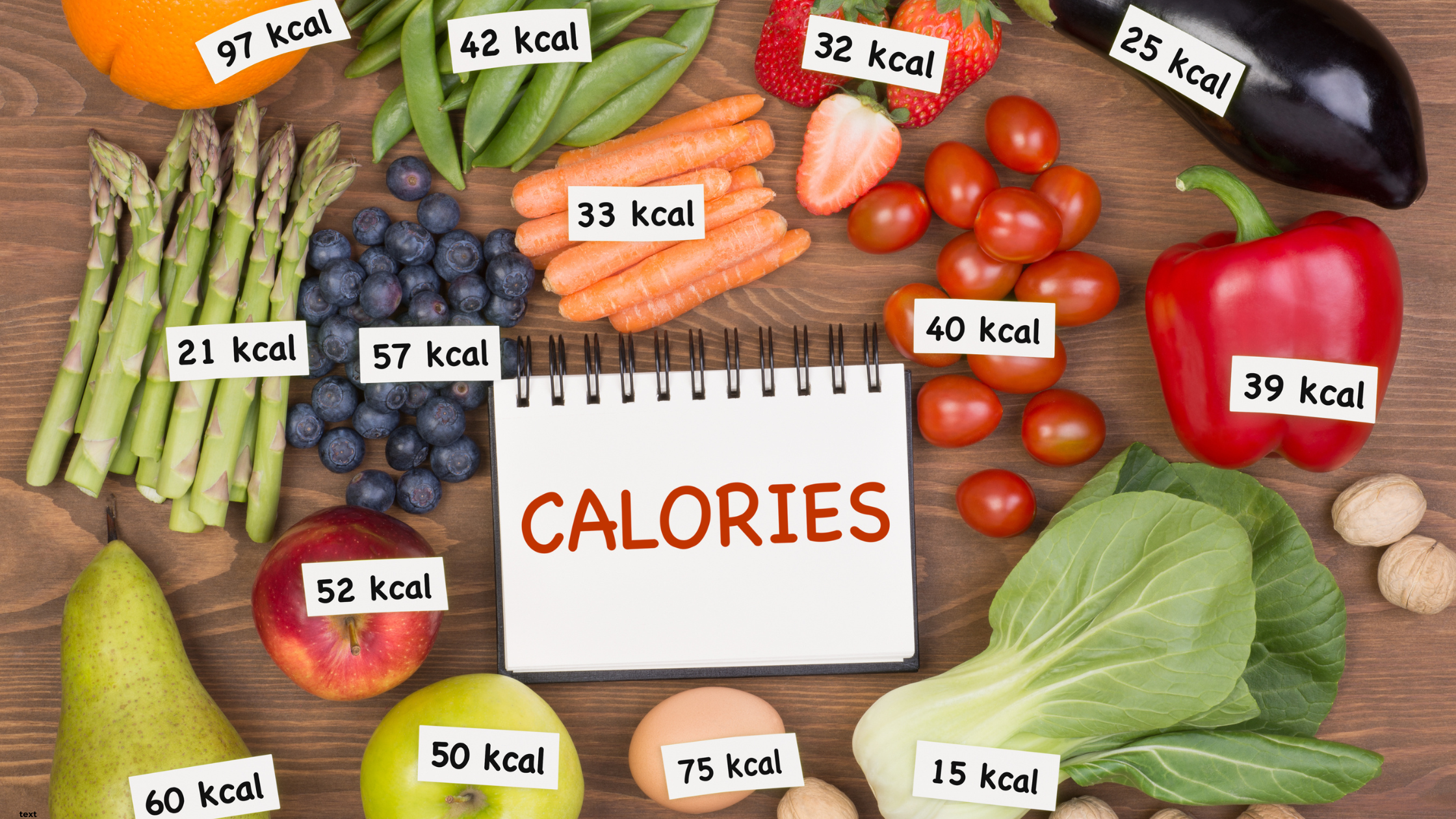
If fat loss is the goal, the calorie deficit still matters.
But for cyclists, I prefer to create that deficit away from key training.
That might mean slightly smaller portions at meals.
Less grazing in the evening.
Reducing alcohol.
Increasing protein and fibre.
Planning snacks better.
Improving food quality during the working day.
This is where weight loss happens.
Not by turning every ride into a fasted sufferfest.
Protein Matters More After 40
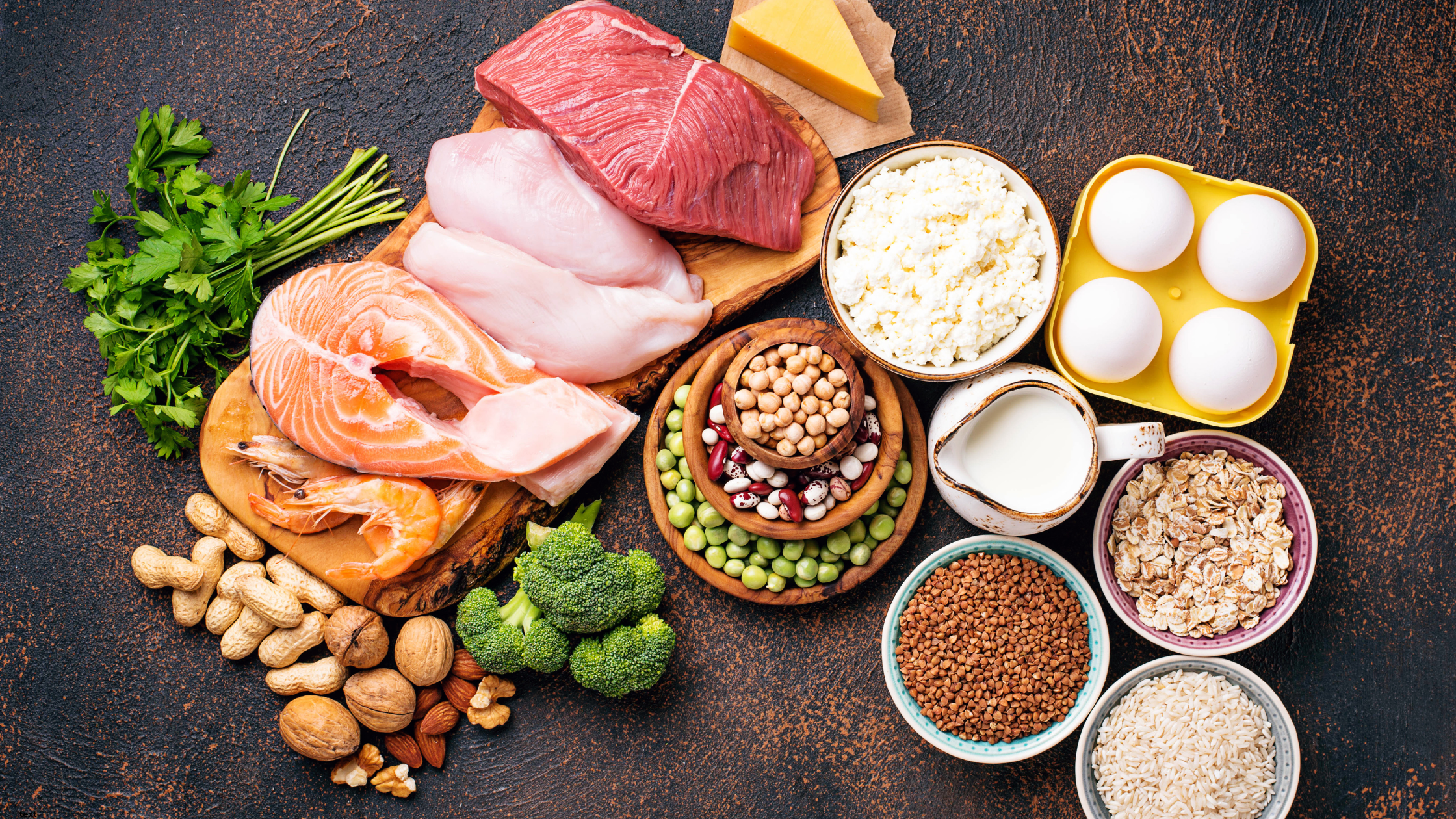
Cyclists often focus on carbs, but protein matters too.
As we age, maintaining muscle mass becomes more important. Protein supports muscle repair, recovery, and satiety.
For active people, protein needs are usually higher than the general population. Sports nutrition position stands highlight the importance of meeting protein needs to support tissue repair and adaptation during training.
A simple starting point for many recreational cyclists is to include a protein source at every meal.
Greek yoghurt, eggs, lean meat, fish, tofu, beans, lentils, cottage cheese, or protein powder if needed.
You don’t need to overcomplicate it.
But you do need to be consistent.
A Better Day Of Eating For A Cyclist
A non-cyclist diet day might say:
Skip breakfast.
Have a light salad.
Avoid carbs.
Eat less.
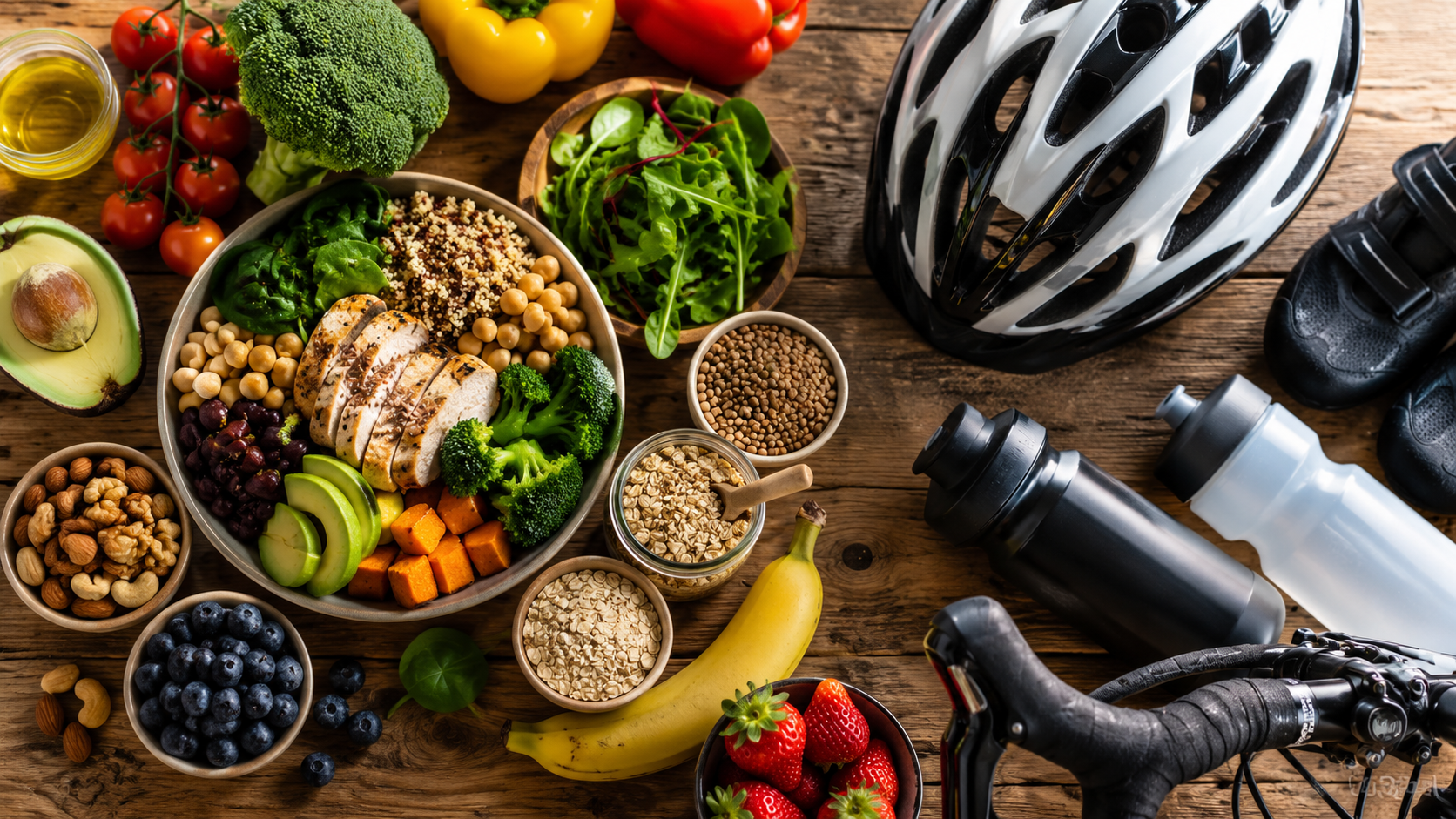
A cyclist’s fat-loss day should look different.
Breakfast with protein and fibre.
Carbs placed around training.
Protein at each meal.
Vegetables for volume and health.
Ride fuel when needed.
A controlled evening meal that doesn’t turn into grazing.
That’s how you lose weight without losing your legs.
Action Steps
Before your next hard ride, make sure you’re not going in under-fuelled.
For rides over 90 minutes, take planned carbohydrates.
Include protein at each meal for the next seven days.
Create your calorie deficit away from training, not during key sessions.
Track your weight trend weekly, not emotionally day to day.
If your riding performance drops sharply, review your fuelling before blaming your fitness.
Client Win - Keith
Here’s the problem I see all the time, you want to lose weight, ride stronger, feel better on the bike… but you are stuck on the fence wondering if coaching is actually worth it.
That was Keith back in September 2024.
He’d just been told he had high blood pressure, felt uncomfortable on the bike, and kept seeing my stuff pop up on Instagram.
Eventually he dropped me a message, we had a quick chat, and he joined my Cycle Lean Project, a 12-week starter program that only cost him £150 at the time. No long-term tie-in, no pressure, just a chance to see if this coaching thing actually worked for him.
And the results?
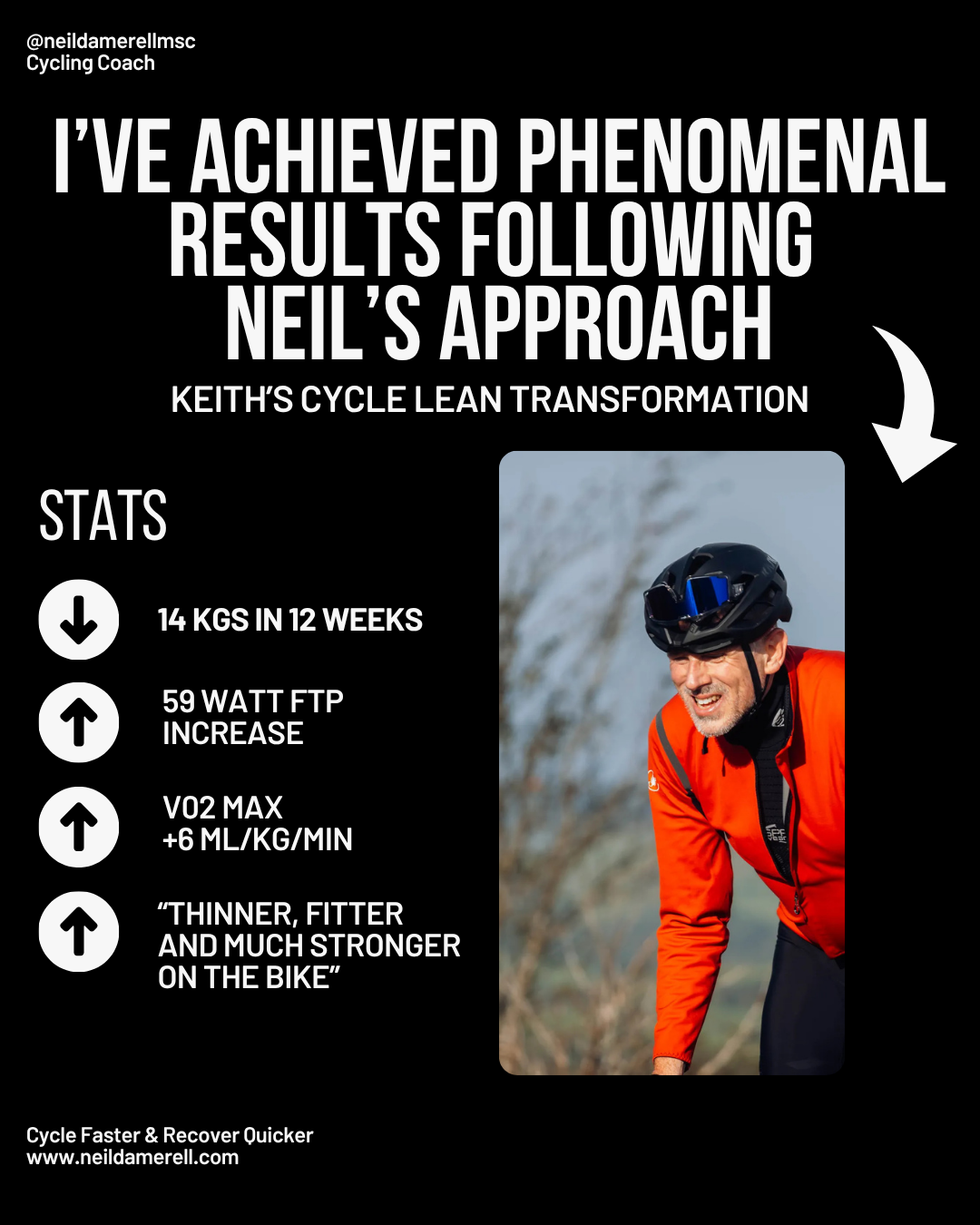
👉 925 miles ridden
👉 -14kg weight loss
👉 +59 watts to his FTP
👉 VO2 max up by 6
👉 Eating better, drinking way less, feeling leaner, fitter, stronger
Since then he’s stayed with me 1:1 inside the Cycle Lean Collective, and we’re heading into our second year working together.
Over the last year he’s smashed a load of sportives and even rode the length of Wales in 3 days.
All while juggling a crazy work schedule and not riding anywhere near as many hours as he thought he needed.
His words? The results exceeded his expectations.
So if you’re hovering over the fence right now, here’s your nudge…
1–2–1 Coaching spots are now open.
This is for you if you’re serious about riding stronger, leaning down, and actually seeing progress, not just guessing your way through training.
No fluff. No generic plans.
Just tailored coaching, accountability, and real results.
If you’ve been stuck for a while, this is your chance to change it.
Final Thought
Cyclists don’t need to diet like sedentary people.
You’re asking your body to train, recover, adapt, and perform.
So your nutrition needs to support that.
Eat to fuel the work.
Create the deficit away from the bike.
Lose weight slowly enough that your riding keeps improving.
That’s how cyclists over 40 get leaner without feeling worse on every ride.
Whenever you're ready, here are the ways I can help you:
- The Cycle Lean Coaching: Personalised 1:1 Coaching for Cyclists Who Want to Drop 6–12 kg and Add Up To 60 Watts of FTP While Riding 6-8 hours a Week!
- The Cycle Lean Blueprint: The science-backed 12-week blueprint to cycle leaner, climb stronger, and become the most resilient version of yourself.
I am an ambassador for:
Awesome Supplements: Award Winning Supplements — Our plant-based awesome protein powder is 100% UK-made with low-sugar, gluten & dairy-free.
The best protein powder I have ever tasted.
Get 10% off any product/ every time you make a purchase when using my code: DAMERELL10 at Awesome Supplements.