How to Start Cycling Again After Time Off the Bike Without Overtraining
The Climb (#181)
Introduction
One of the biggest mistakes I see cyclists make is thinking they need to “get fit first” before they start following a proper plan.
I get why it happens.
You’ve had a few weeks off the bike. Maybe work got busy. Maybe family life took over. Maybe motivation dipped. Then suddenly you look at your bike, your Zwift setup, or your Strava history and think:
“I probably need to build a bit of fitness before I start structured training again.”
But honestly, I think that’s backwards.
The whole point of a good training plan is to meet you where you are now, not where you wish you were.
I had this exact conversation recently with a new client. He’d been off the bike for nearly two months and asked whether he should build a base first before starting coaching. My answer was simple: no. We use where you are now as the baseline.
That way, we can build from your actual fitness, not some imaginary version of you from three months ago.
Why starting “easy” is not a waste of time
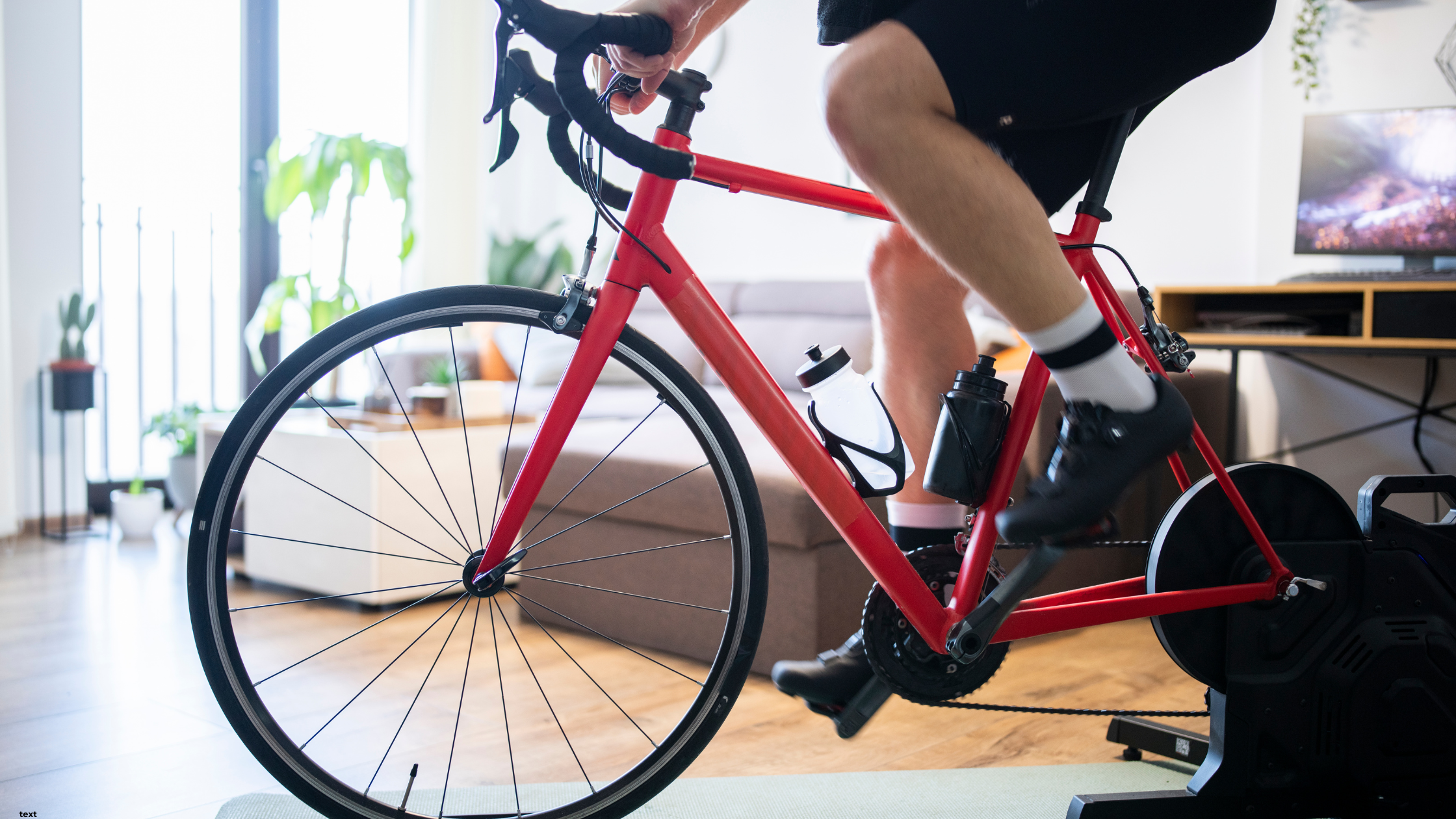
When you’ve had time off the bike, your first few weeks back should not be about smashing yourself.
They should be about rebuilding rhythm.
That means:
- getting used to riding regularly again
- building confidence
- checking how your body responds
- finding your current fitness level
- avoiding the classic “too much, too soon” mistake
This is especially important if you’re over 40, busy with work, or trying to lose weight at the same time.
Endurance improvements come from consistent training stress over time, not from randomly crushing yourself in week one. Research on endurance training intensity shows that well-structured programmes tend to include a large amount of lower-intensity work, with harder work used strategically rather than constantly.
That doesn’t mean easy riding is magic.
It means easy riding gives you the base to handle harder work later.
The first goal is consistency, not suffering

In my client’s second check-in, he said the week felt easy. His legs felt fine. His body felt fine. He wasn’t fatigued.
That might sound boring.
But to me, that’s a win.
Because the first few weeks of training are not supposed to prove how tough you are.
They’re supposed to prove that the plan fits your life.
If you can finish the week thinking, “That was manageable, I can do that again,” you’re in a much better place than if you limp into Monday exhausted, hungry, and already dreading the next session.
That’s how most cyclists burn out.
They confuse a hard week with a productive week.
What I’d do if you’re coming back after time off
Here’s the simple approach I’d use.
1. Start with an assessment week
Don’t guess your zones.
Test where you are now.
That might include a 20-minute power test, a heart rate assessment, strength movements, bodyweight tracking, and a basic nutrition review.
This gives you a baseline.
Not to judge yourself.
To measure progress from.
2. Keep the first two weeks simple
You don’t need five rides, two gym sessions, and a perfect nutrition plan on day one.
Start with something you can actually repeat.
For many cyclists, that might be:
- 2 structured rides during the week
- 1 weekend ride
- 1 short strength session
- daily protein target
- simple food tracking
That’s enough to begin moving forward.
3. Don’t chase old numbers
This is a big one.
You might remember holding a certain power, sitting with a certain group, or feeling stronger on climbs.
But after time off, those numbers might not be there yet.
That’s fine.
Your job is not to prove your old fitness still exists.
Your job is to rebuild it.
4. Leave something in the tank
Your first few weeks should feel controlled.
You should finish most sessions thinking, “I could have done a bit more.”
That’s a good sign.
Because the goal is not to win Tuesday night training.
The goal is to keep stacking weeks.
Your action plan this week
Here’s what I’d do after reading this:
- Pick three riding days this week.
- Make two rides easy/moderate.
- Make one ride your longer social or weekend ride.
- Track your weight daily, but only judge the weekly average.
- Write down how each ride felt out of 10.
- Don’t add extra sessions just because you feel motivated.
Motivation is great.
But structure is better.
Final thought
You don’t need to be fit before you start.
You start so you can get fit.
That sounds obvious, but it’s where so many cyclists get stuck.
They wait until they feel ready, then another month goes by, then starting feels even harder.
The better move is to start small, track where you are, and build from there.
Whenever you're ready, here are the ways I can help you:
- The Cycle Lean Coaching: Personalised 1:1 Coaching for Cyclists Who Want to Drop 6–12 kg and Add Up To 60 Watts of FTP While Riding 6-8 hours a Week!
- The Cycle Lean Blueprint: The science-backed 12-week blueprint to cycle leaner, climb stronger, and become the most resilient version of yourself.
I am an ambassador for:
Awesome Supplements: Award Winning Supplements — Our plant-based awesome protein powder is 100% UK-made with low-sugar, gluten & dairy-free.
The best protein powder I have ever tasted.
Get 10% off any product/ every time you make a purchase when using my code: DAMERELL10 at Awesome Supplements.