Power vs Heart Rate vs RPE for Cyclists: What Should You Track?
The Climb (#182)
Introduction
A lot of cyclists have more data than ever.
Power meters. Heart rate monitors. Smart trainers. Wahoo head units. Training Peaks. Zwift. Garmin. Strava.
But here’s the problem.
More data doesn’t automatically mean better training.
Sometimes it just means more confusion.
I’ve seen this with newer coaching clients. They have access to power and heart rate, but they’re not always sure what to focus on, how hard a ride should feel, or what it means when the numbers don’t match how their body feels.
That’s why I like to use three things together:
power, heart rate, and RPE.
Each one tells you something different.
Power tells you the work you’re doing
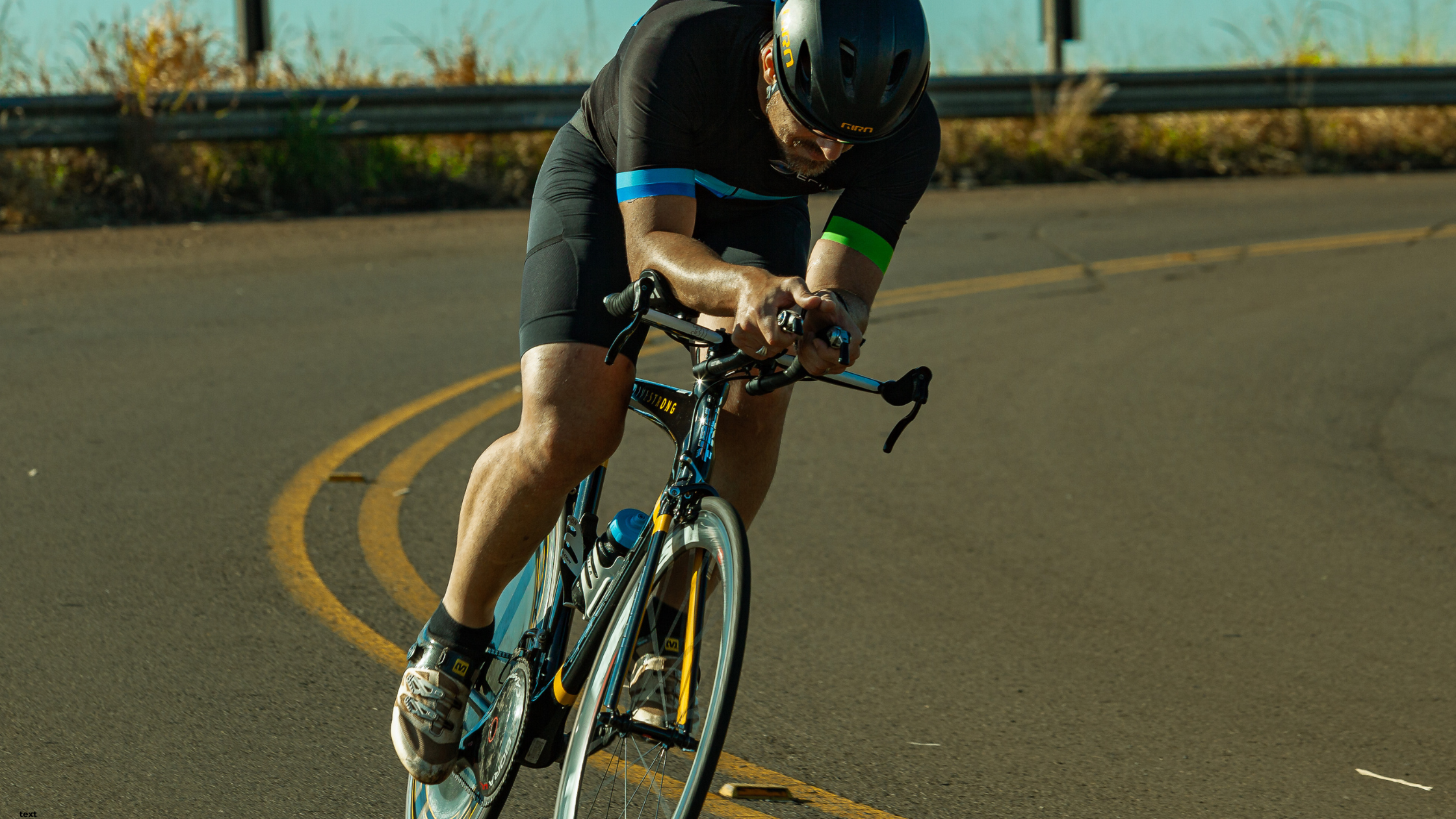
Power is useful because it tells you how much work you’re putting through the pedals.
If your session says 180 watts, you either hit 180 watts or you don’t.
It’s objective.
That makes it brilliant for structured indoor training, intervals, FTP work, and tracking progress over time.
But power doesn’t tell the whole story.
You might hold the same wattage on two different days, but one day it feels comfortable and another day it feels horrible.
That’s where heart rate and RPE come in.
Heart rate tells you how your body is responding
Heart rate is useful because it shows the internal cost of the work.
Let’s say you ride at 180 watts.
On a fresh day, your heart rate might sit nicely in Zone 2.
But on another day, that same 180 watts might push your heart rate much higher.
Why?
It could be:
- poor sleep
- dehydration
- heat
- stress
- not eating enough
- accumulated fatigue
- illness starting to creep in
This is why I don’t like looking at power alone.
Power tells me what you did.
Heart rate helps me understand what it cost you.
RPE tells you how it felt
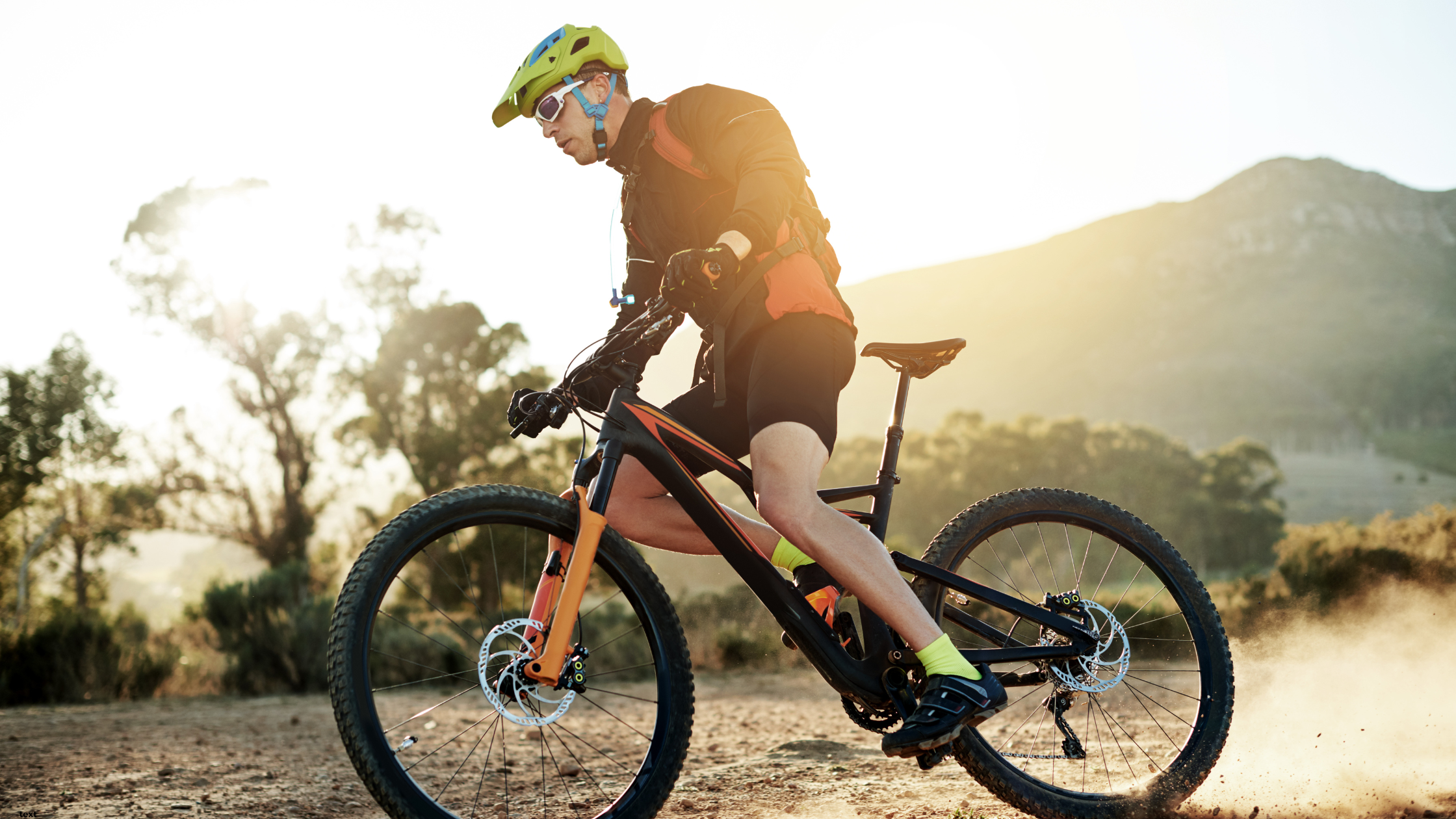
RPE stands for rate of perceived exertion.
In normal language: how hard did it feel?
Usually, I’ll use a 1–10 scale.
For example:
- 2–3 out of 10 = very easy
- 4–5 out of 10 = steady
- 6–7 out of 10 = hard but controlled
- 8–9 out of 10 = very hard
- 10 out of 10 = maximal effort
RPE matters because you are not a robot.
A Zone 2 ride that normally feels like a 3 might suddenly feel like a 6 after a poor night’s sleep or a stressful workday.
That’s useful information.
Research supports RPE as a practical tool for monitoring exercise intensity, and cycling studies have shown relationships between RPE, heart rate, and workload.
The magic is in using all three together
Here’s how I’d think about it.
Scenario 1: Power normal, heart rate normal, RPE low
Good sign.
You’re probably adapting well.
Scenario 2: Power normal, heart rate high, RPE high
You might be tired, under-fuelled, dehydrated, too hot, or carrying stress.
That doesn’t mean you’re failing.
It means your body is giving you feedback.
Scenario 3: Power low, heart rate high, RPE high
That’s usually a sign to back off.
You’re working hard internally, but not producing much externally.
That can happen when fatigue builds up.
Scenario 4: Power high, heart rate controlled, RPE moderate
Great.
That often suggests fitness is improving.
Why this matters for busy cyclists
If you’re juggling work, family, poor sleep, and training, you can’t just follow numbers blindly.
That’s one of the big things I explained to a new client in his first check-in. He had power and heart rate data available, but we needed to make sense of it alongside how he felt. I explained that if a normal Zone 2 ride suddenly feels much harder, that could point towards fatigue, fuelling, sleep, or general life stress rather than a lack of fitness.
That’s the real benefit of coaching.
Not just putting workouts in a calendar.
But helping you understand what your body is telling you.
Your action plan this week
For every ride this week, write down three things:
- Average power or power zone.
- Average heart rate or heart rate zone.
- RPE from 1–10.
Then ask yourself:
“Did the numbers match how I felt?”
If they did, great.
If they didn’t, look at the basics:
- Did I sleep well?
- Did I fuel properly?
- Was I stressed?
- Was it hotter than normal?
- Have I done more training than usual?
That’s how you start becoming a smarter cyclist.
Final thought
Power is useful.
Heart rate is useful.
RPE is useful.
But the real value comes when you use them together.
Because cycling performance is not just about what your legs can do.
It’s about how your whole body is coping with the training.
Whenever you're ready, here are the ways I can help you:
- The Cycle Lean Coaching: Personalised 1:1 Coaching for Cyclists Who Want to Drop 6–12 kg and Add Up To 60 Watts of FTP While Riding 6-8 hours a Week!
- The Cycle Lean Blueprint: The science-backed 12-week blueprint to cycle leaner, climb stronger, and become the most resilient version of yourself.
I am an ambassador for:
Awesome Supplements: Award Winning Supplements — Our plant-based awesome protein powder is 100% UK-made with low-sugar, gluten & dairy-free.
The best protein powder I have ever tasted.
Get 10% off any product/ every time you make a purchase when using my code: DAMERELL10 at Awesome Supplements.