Your Power Meter Is A Tool. Don’t Let It Become Your Boss.
The Climb (#200)
Introduction
I love power data.
I use it with clients every day.
It gives us an objective measure of what is happening on the bike and makes training incredibly useful to analyse.
But there’s something I think cyclists sometimes forget.
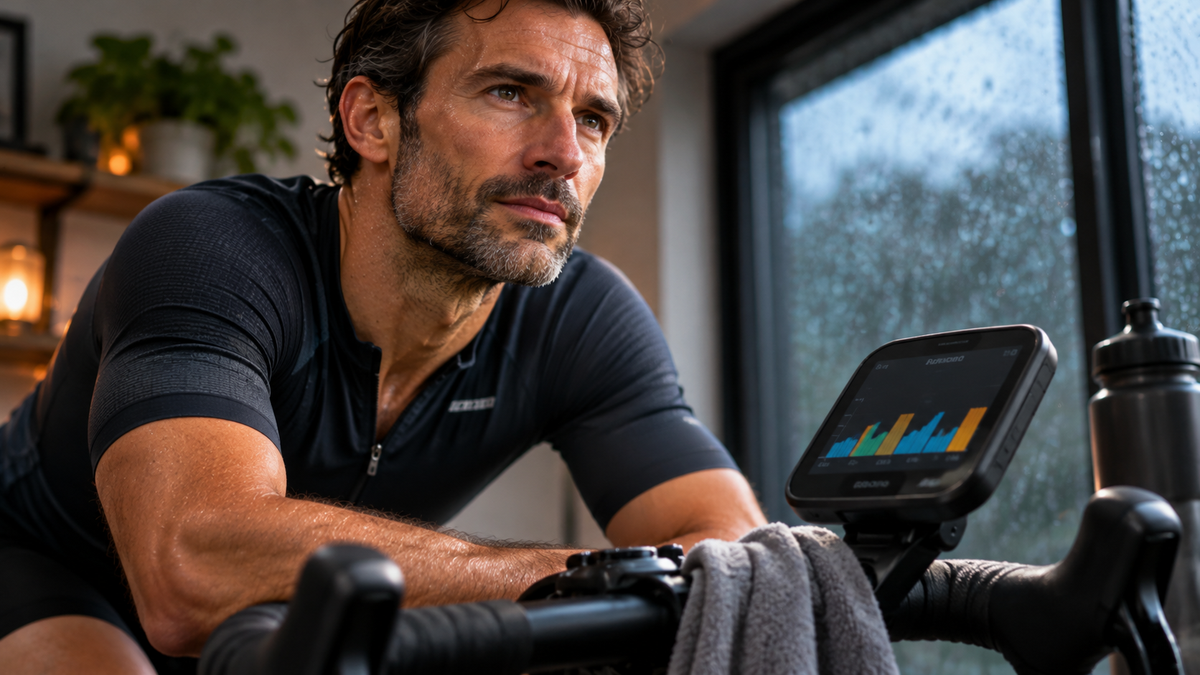
The power meter doesn’t know how you feel.
It doesn’t know you slept badly.
It doesn’t know you’ve had a stressful week at work.
It doesn’t know you haven’t eaten properly.
It simply tells you how many watts you produced.
That information is incredibly valuable.
But only when you put it into context.
Data Should Support Decisions

If I give somebody 4 x 10 minutes at 250 watts and they hit:
250, 251, 252, 253
That tells us something.
But if the following week they’re struggling at 230 watts, I’m not immediately concluding they’ve lost fitness.
I want to know:
What did they do yesterday?
How did they sleep?
Have they eaten?
How do their legs feel?
Has work been stressful?
Power is one piece of information.
Not the entire picture.
Don’t Turn Every Ride Into An FTP Test
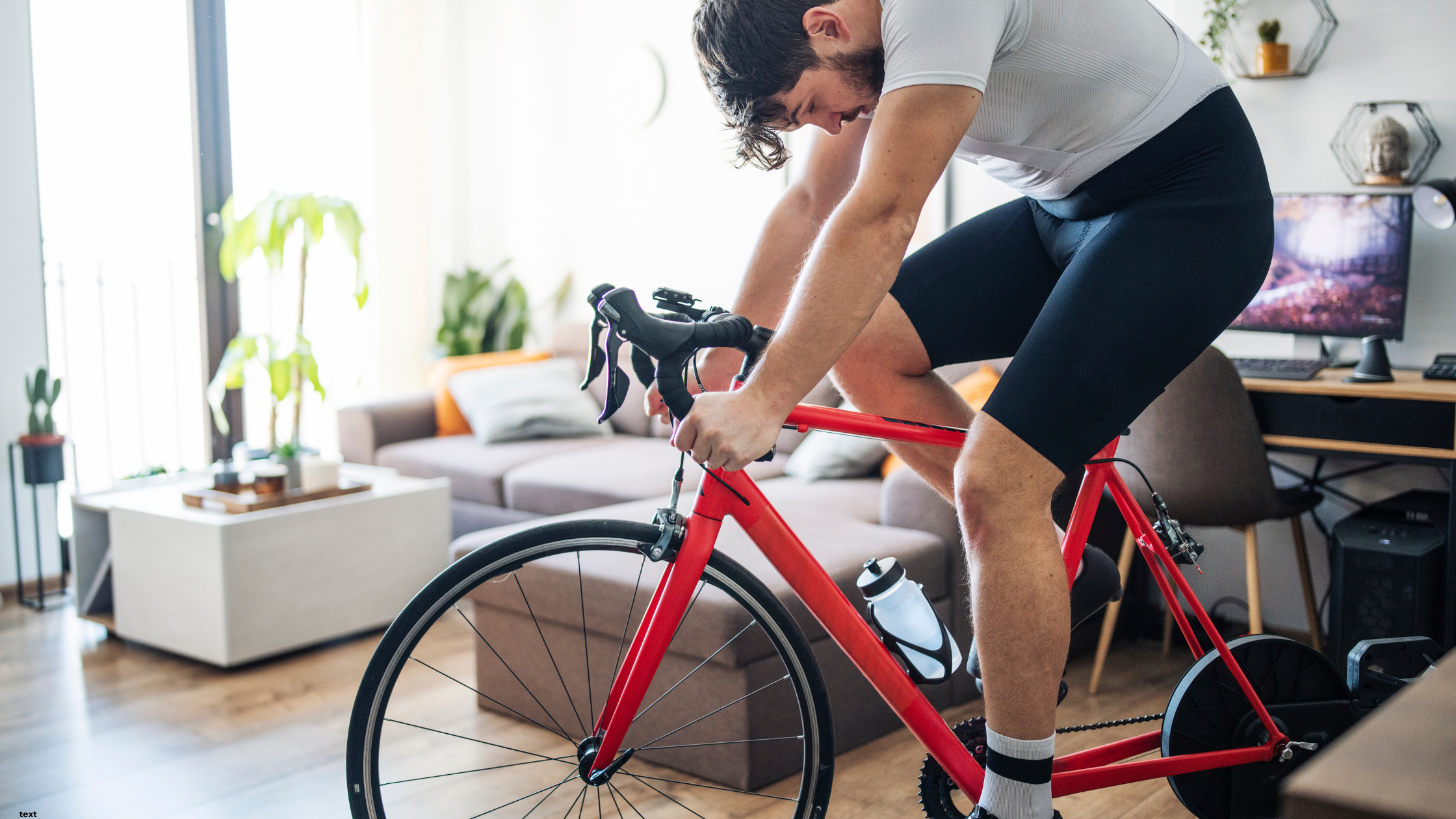
Another mistake cyclists make once they have power is constantly testing themselves.
Every climb becomes a PB attempt.
Every group ride becomes a fitness assessment.
Every interval has to beat the previous one.
You cannot train like that indefinitely.
There are days when your job is simply to accumulate aerobic work.
Other days when you push.
Other days when you recover.
The numbers need context.
The Same Applies To HRV, Heart Rate And Garmin Scores
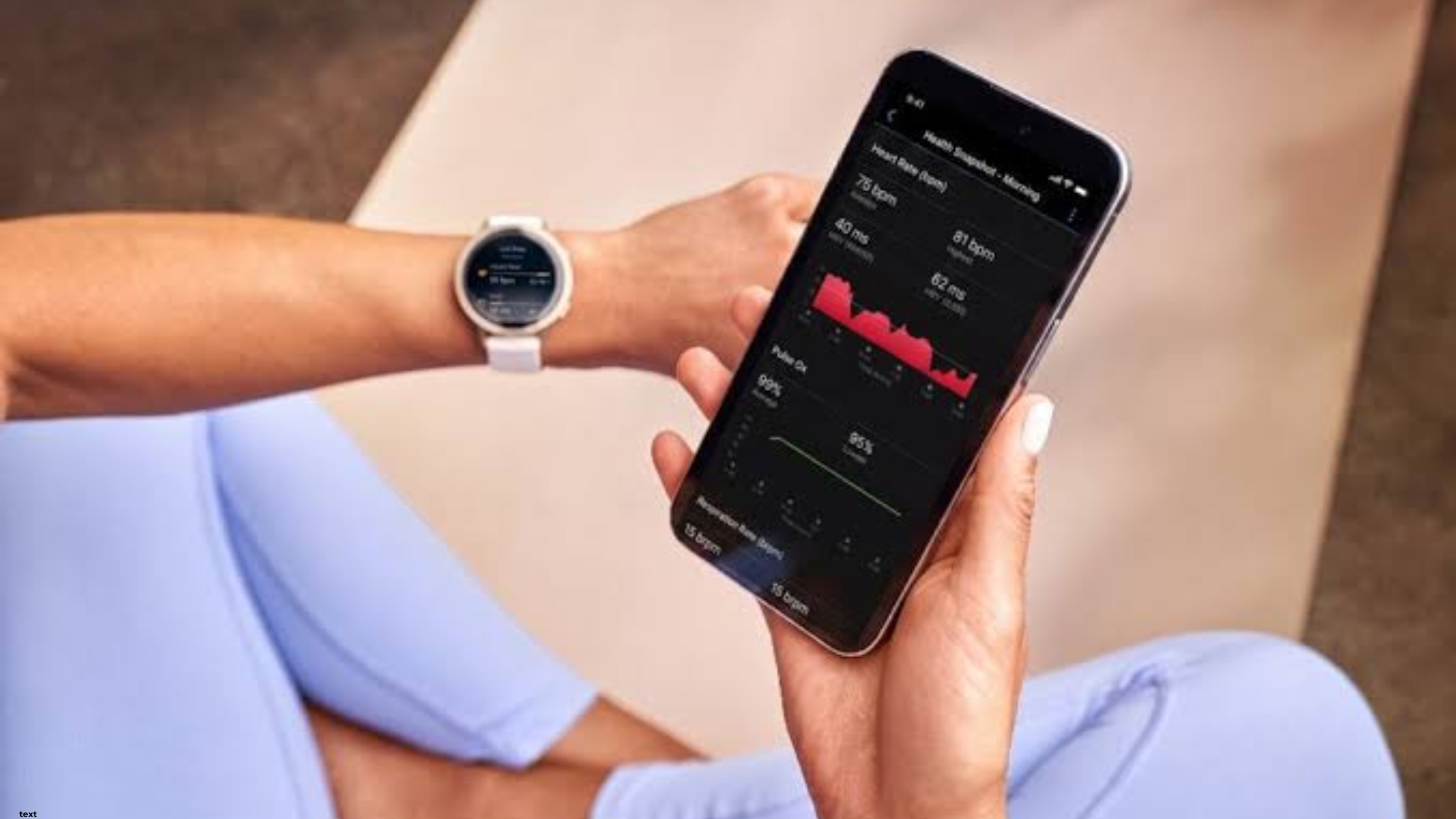
I like data.
But I like trends more than individual readings.
One poor HRV score doesn’t mean your body has collapsed.
One strange heart-rate session doesn’t necessarily mean you’re overtrained.
One Garmin recovery score shouldn’t determine your entire week.
Look for patterns.
That’s where the useful information is.
Your Body Still Gets A Vote
This is something I try to teach clients.
Use the technology.
But also become better at understanding your own body.
How do your legs feel?
How does breathing feel?
How motivated are you?
How quickly are you recovering?
What does easy actually feel like?
Technology should make you more informed.
Not less intuitive.
Action This Week
After each ride, record three things:
Your power.
Your heart rate.
Your perceived effort out of 10.
Then compare them.
If 200 watts normally feels like a 3/10 and suddenly feels like a 7/10, that is useful information.
The watts alone wouldn’t tell you that.
Final Thought
The power meter is one of the best training tools cyclists have ever had.
But it is still just a tool.
Use it to guide the training.
Don’t let it dictate your relationship with the bike.
Whenever you're ready, here are the ways I can help you:
- The Cycle Lean Coaching: Personalised 1:1 Coaching for Cyclists Who Want to Drop 6–12 kg and Add Up To 60 Watts of FTP While Riding 6-8 hours a Week!
- The Cycle Lean Blueprint: The science-backed 12-week blueprint to cycle leaner, climb stronger, and become the most resilient version of yourself.