Why Your FTP Has Plateaued Even Though You’re Training Hard
The Climb (#189)
Introduction
One of the most frustrating places to be as a cyclist is when you feel like you’re doing the work…
But your FTP refuses to move.
You’re riding consistently.
You’re getting the sessions done.
You’re spending time on the turbo.
You’re doing intervals.
You’re turning up for the group ride.
You’re trying to eat better.
But every time you test, the number barely changes.
Or worse, it goes backwards.
And that is normally when most cyclists over 40 come to the same conclusion:
“I must need to train harder.”
But in my experience, that is often the wrong answer.
Most cyclists don’t plateau because they aren’t trying hard enough.
They plateau because the training stress, recovery, fuelling, strength work, and structure are not working together.
And after 40, that matters even more.
Because you can’t just keep adding more effort and expect your body to keep adapting.
At some point, you have to ask a better question.
Not:
“How do I train harder?”
But:
“What is stopping my body from adapting?”
FTP Does Not Improve Just Because You Suffer
FTP is not a prize you get for suffering.
It improves when the body receives the right training stimulus, recovers from it, and adapts.
That is the bit most cyclists forget.
They focus on the session.
The intervals.
The power target.
The numbers on TrainingPeaks.
The Strava file.
But the session is only the stimulus.
The improvement happens afterwards.
When you eat.
When you sleep.
When you recover.
When your body has enough time and resources to adapt.
If you keep stacking hard sessions on top of a tired body, you don’t build more fitness.
You build more fatigue.
And fatigue can look a lot like a plateau.
You might still be training hard.
But you’re too tired to express the fitness you’ve built.
The Grey Zone Problem
One of the biggest reasons cyclists plateau is that too much of their training sits in the middle.
Not easy enough to recover from.
Not hard enough to create a clear high-intensity stimulus.
It’s that classic grey zone.
Every ride becomes “kind of hard.”
You’re not riding easy.
You’re not riding properly hard.
You’re just constantly sitting in that uncomfortable middle ground where you feel like you’ve worked, but you don’t actually move the needle much.
This is especially common with cyclists over 40.
You do your midweek turbo ride and push a bit too hard.
You join a group ride and it turns into a smash-fest.
You call it Zone 2, but your heart rate says otherwise.
You finish most rides feeling like you’ve done something.
But you’re never really fresh enough for the sessions that matter.
This is why I like cyclists to have clear purpose behind their rides.
If it’s easy, make it easy.
If it’s hard, make it hard.
If it’s endurance, keep it controlled.
If it’s intervals, show up fresh enough to actually hit the numbers.
The problem isn’t always that you need more training.
Sometimes you need clearer separation between stress and recovery.
More Intervals Are Not Always The Fix
When FTP stalls, most cyclists add more intensity.
They think:
“I’ll just do another threshold session.”
“I’ll add more VO2 work.”
“I’ll push harder on the group ride.”
But if the body is already struggling to recover, more intensity is not the answer.
It might be the thing that keeps you stuck.
High-intensity work is useful.
Threshold work is useful.
VO2 max work is useful.
But only when placed properly.
If you are doing hard sessions without enough recovery between them, you are not training productively.
You are just collecting fatigue.
And when you’re over 40, with work, family, stress, poor sleep, and limited time, that fatigue adds up quickly.
That is why I would rather see a cyclist do one or two high-quality sessions per week than three or four average ones they are too tired to execute properly.
Quality beats chaos.
Your Sleep Might Be Limiting Your FTP

This is the boring one.
But it matters.
If you’re sleeping six hours a night, working long days, training hard, and wondering why your FTP isn’t moving, the answer might not be your interval structure.
It might be your recovery environment.
Sleep is when a lot of the repair and adaptation process happens.
If sleep is poor, recovery is compromised.
If recovery is compromised, training quality drops.
If training quality drops, your ability to progress stalls.
This is something I see all the time.
A cyclist will ask why their FTP is stuck, but when you look at the bigger picture, they are trying to train hard on a body that is already under-recovered.
They are waking up tired.
Their resting heart rate is higher.
Their legs feel heavy.
Their motivation is low.
They need more caffeine.
Their appetite is all over the place.
Their mood is worse.
And then they still try to hit threshold intervals.
That is not a lack of discipline.
That is a body asking for support.
Poor Fuelling Can Make You Think You’re Unfit
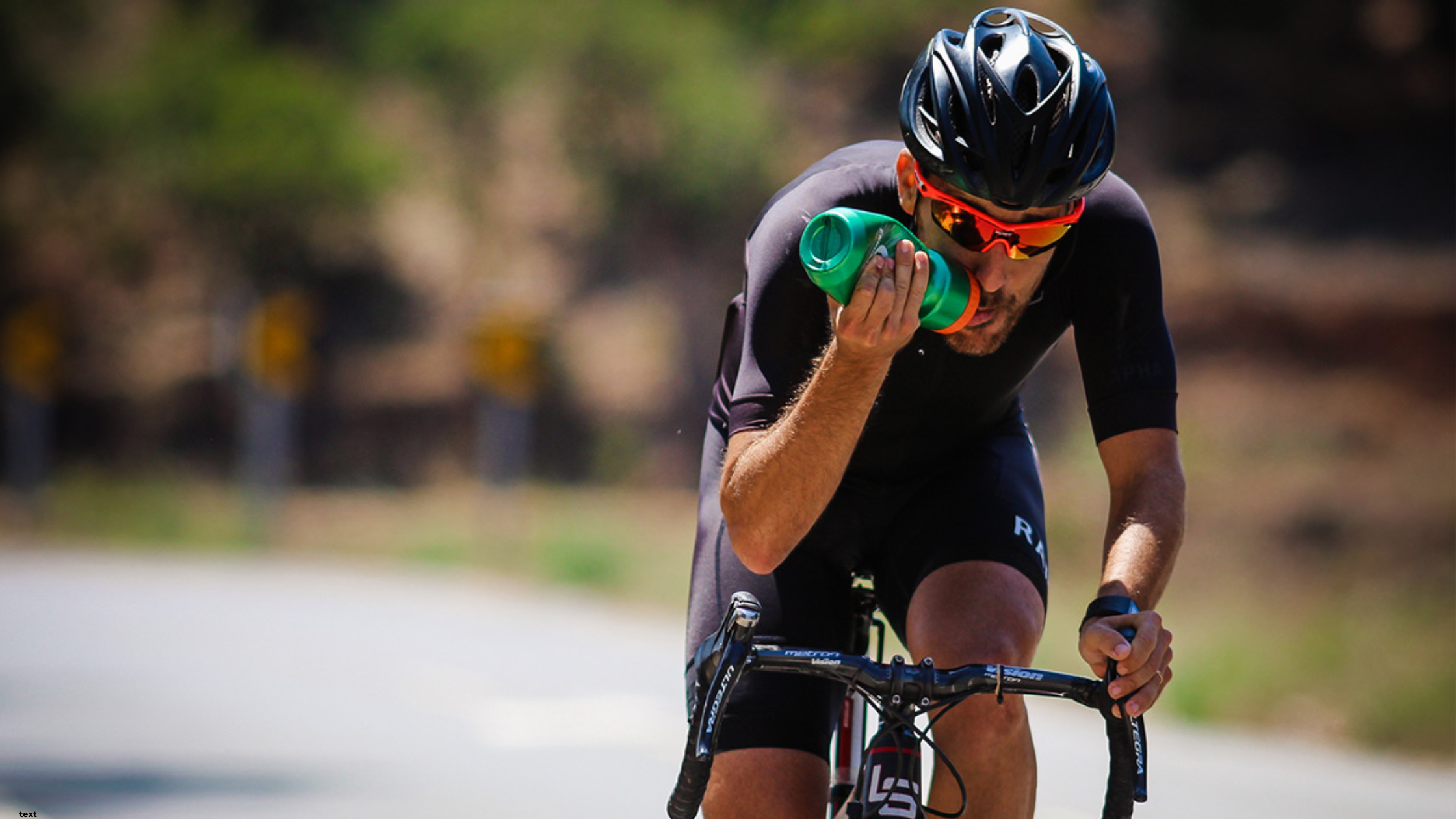
Another big reason FTP stalls is poor fuelling.
A lot of cyclists trying to lose weight underfuel their training.
They cut carbs.
Skip breakfast.
Avoid eating on the bike.
Try to do hard sessions on empty.
Then they wonder why they can’t hit power numbers.
But that does not always mean they are unfit.
It might mean they are underfuelled.
If you are doing intervals, especially threshold or VO2 max work, carbohydrate availability matters.
Your body needs fuel to perform high-quality work.
If you constantly underfuel hard training, the session becomes harder than it needs to be, recovery takes longer, and the quality of the stimulus drops.
This is why I always talk about separating fat loss from ride fuelling.
Fuel the work on the bike.
Create the calorie deficit away from key training.
If you want your FTP to improve, you need to train in a way that gives your body a chance to produce power.
You can’t keep asking for high performance while refusing to fuel it.
You Might Not Be Strong Enough
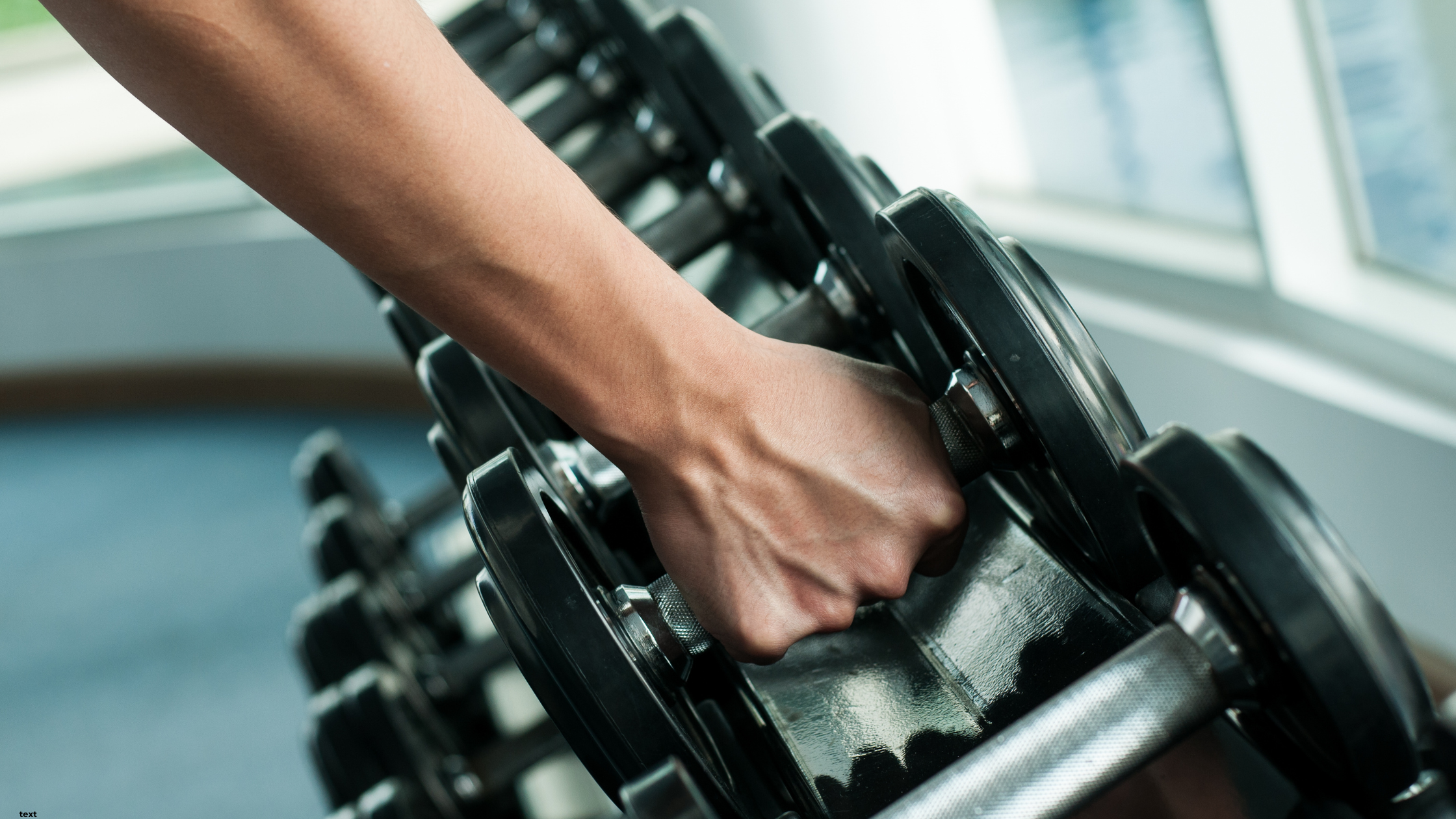
This is another one cyclists overlook.
Your FTP is not just about your lungs.
It is also about your ability to produce force repeatedly.
And after 40, strength training becomes more important.
Cycling alone can build cardiovascular fitness, but it does not fully protect muscle mass, strength, bone health, mobility, or resilience.
If you are losing weight, under-eating, avoiding the gym, and only cycling, you may get lighter but weaker.
And weaker is not what you want when trying to improve FTP.
Strength training does not need to take over your life.
But one or two simple sessions per week can make a huge difference.
Squats.
Hinges.
Split squats.
Calf raises.
Rows.
Pressing.
Core work.
You do not need to train like a bodybuilder.
You need to build a body that can support your cycling.
The stronger and more resilient you are off the bike, the better chance you have of handling the work on it.
Generic Plans Don’t Know Your Life

This is where many cyclists get stuck.
They download a plan.
They follow the sessions.
They try to tick every box.
But the plan doesn’t know what is happening in your life.
It doesn’t know you slept badly.
It doesn’t know work stress is high.
It doesn’t know your legs are sore from the gym.
It doesn’t know your weekend ride turned into a race.
It doesn’t know you skipped lunch before intervals.
It doesn’t know your family week has been chaos.
So you keep trying to force the plan.
And eventually, the body pushes back.
A good training plan needs flexibility.
Especially for cyclists over 40.
You need to know when to push, when to hold, and when to back off.
That doesn’t mean being soft.
It means being smart.
The goal is not to complete every session no matter what.
The goal is to adapt.
What I’ve Seen With Clients
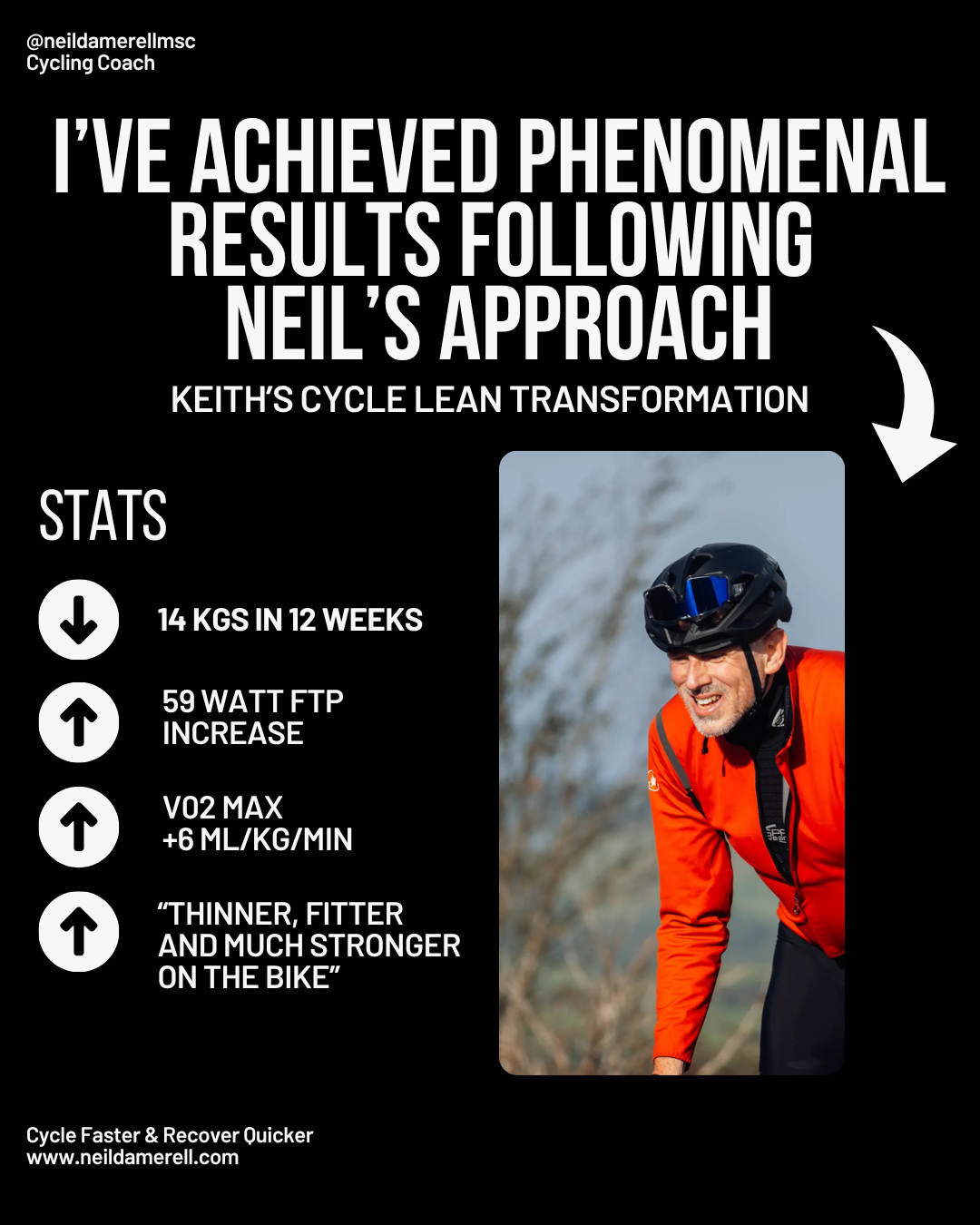
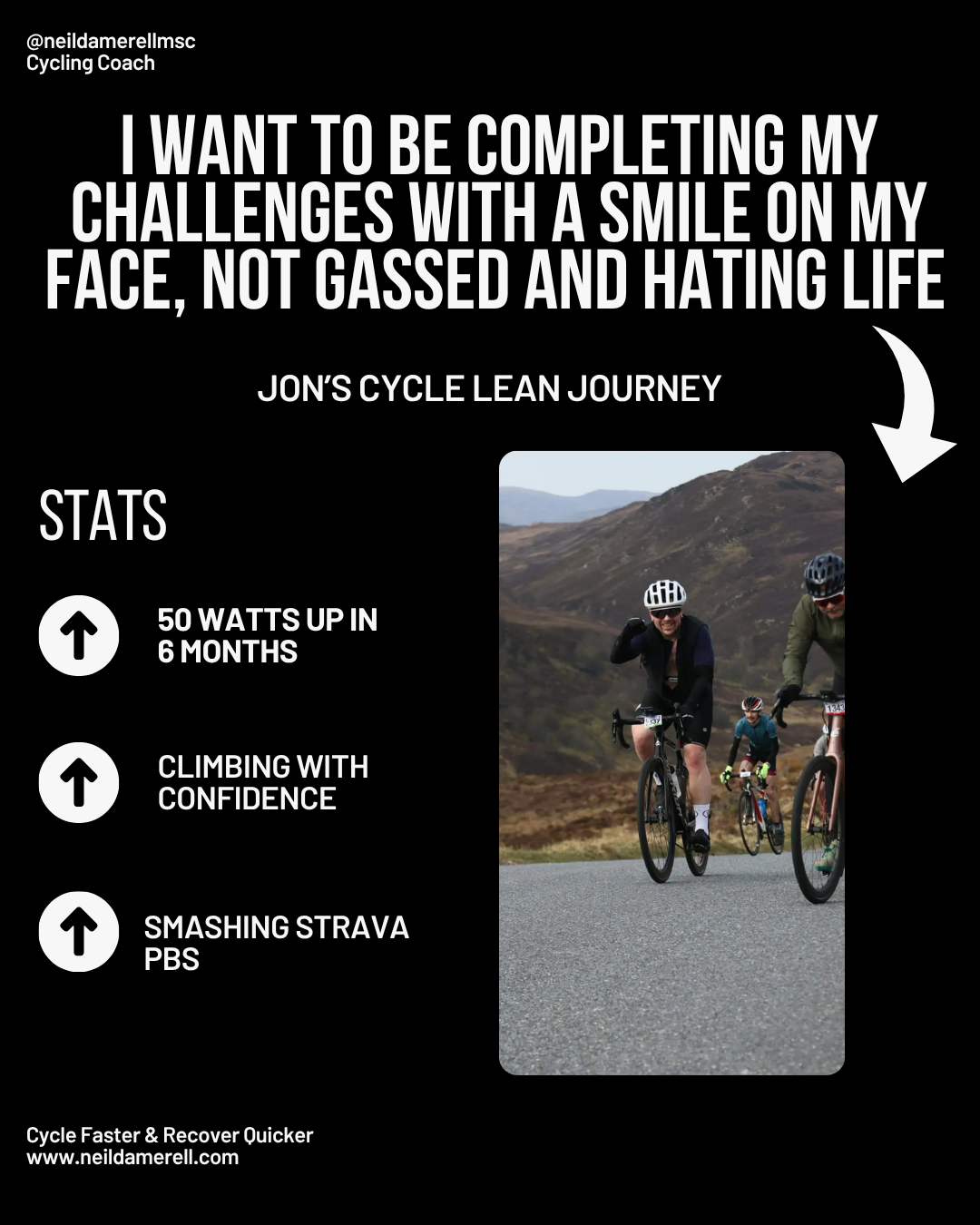
I’ve seen cyclists improve their FTP without needing to ride endless hours.
One client improved their FTP by 50 watts while balancing work, family, and real life.
Another client went from never riding more than 30 miles on the road to completing a 100-mile sportive, building confidence, pacing better, fuelling better, and improving his power along the way.
Duncan is another good example.
He didn’t just lose a significant amount of weight.
He improved his power-to-weight, resolved cramping issues, built better fuelling habits, improved his strength and mobility, and went from struggling on longer rides to completing regular 100-mile rides.
That didn’t happen because we threw more random intensity at him.
It happened because the whole system improved.
Training structure.
Fuelling.
Recovery.
Strength.
Weight management.
Confidence.
Consistency.
That is what moves performance.
Not just chasing a bigger number on an FTP test.
The FTP Plateau Checklist
If your FTP has plateaued, don’t immediately add more training.
Start by asking these questions.
Are my easy rides actually easy?
Am I doing too much grey-zone riding?
Do I have one or two genuinely high-quality sessions each week?
Am I recovering between hard sessions?
Am I sleeping enough?
Am I fuelling intervals and longer rides properly?
Am I eating enough protein?
Am I strength training at least once per week?
Am I trying to lose weight too aggressively?
Have I had a recovery week in the last four to six weeks?
Is my life stress high right now?
Am I following the plan blindly, or adjusting based on feedback?
The answer is normally in there somewhere.
A Simple Week To Break The Plateau
If you are busy and over 40, your week does not need to be complicated.
Start with this structure.
One interval session.
One easy Zone 2 ride.
One strength session.
One longer endurance ride.
One optional recovery ride or mobility session.
That alone can be enough for a lot of riders.
The key is making sure each session has a purpose.
Your interval session should be done when you are fresh enough to hit the work.
Your Zone 2 ride should feel controlled.
Your strength session should support the bike, not ruin it.
Your long ride should build endurance without becoming a weekly race.
Then, every three to four weeks, you review.
If you’re progressing, keep building.
If you’re flat, recover.
If life is stressful, adjust.
That is how you train for the life you actually have.
Action Steps For This Week
If your FTP feels stuck, do not add another hard ride straight away.
Instead, do this.
Review your last two weeks of training.
Count how many rides were genuinely easy.
Count how many were genuinely hard.
Look at your sleep.
Look at your fuelling before and during hard sessions.
Check whether you’ve had a proper recovery week recently.
Add one strength session if you are currently doing none.
Plan your next interval session after an easier day, not when you are already tired.
And most importantly, stop using every ride to prove your fitness.
Use your training to build it.
Final Thought
Your FTP has probably not plateaued because you lack effort.
Most cyclists over 40 are already working hard enough.
The question is whether the work is being placed in a way your body can actually respond to.
Training stress without recovery is just fatigue.
Intervals without fuelling are just suffering.
Weight loss without strength can make you weaker.
A plan without flexibility will eventually break.
So if your FTP is stuck, don’t just ask how you can train harder.
Ask what is stopping your body from adapting.
Fix that, and the numbers usually start moving again.
If this weeks newsletter made you realise your FTP probably isn’t stuck because you lack effort, this is exactly what we help you fix inside The Cycle Lean Project.
Not adding more random intervals.
Not smashing yourself on every ride.
Not trying to lose weight so aggressively that your power, recovery, and motivation disappear.
But learning how to combine structured cycling, smart strength training, better fuelling, nutrition support, recovery, and fat loss in a way that helps your body actually adapt.
Because after 40, progress doesn’t come from just training harder.
It comes from training smarter, recovering better, and building a plan that fits real life.
The Cycle Lean Project is now open.
If you want access today, you need to join the priority list below.
You’ll get first access, priority pricing, and the best chance of securing one of the available spaces before doors open publicly.
Whenever you're ready, here are the ways I can help you:
- The Cycle Lean Coaching: Personalised 1:1 Coaching for Cyclists Who Want to Drop 6–12 kg and Add Up To 60 Watts of FTP While Riding 6-8 hours a Week!
- The Cycle Lean Blueprint: The science-backed 12-week blueprint to cycle leaner, climb stronger, and become the most resilient version of yourself.
I am an ambassador for:
Awesome Supplements: Award Winning Supplements — Our plant-based awesome protein powder is 100% UK-made with low-sugar, gluten & dairy-free.
The best protein powder I have ever tasted.
Get 10% off any product/ every time you make a purchase when using my code: DAMERELL10 at Awesome Supplements.