The Truth About Zone 2 Cycling — What Works and What Doesn’t

The Climb (#157)
Zone 2 training, steady aerobic rides that make up much of the “base” — has been everywhere for years. A new 2026 conversation questions whether Zone 2 is still the best use of limited training time. In this week's, THE CLIMB newsletter, I break down what it actually does for endurance, the criticisms from the cycling community, and how to build a smarter winter plan around it.
If you’ve been cycling for any length of time, you’ve almost certainly heard of Zone 2 training. It’s been the major buzzword in performance cycling for years, the idea that riding slow builds a better engine, burns fat efficiently, and lays the foundation for harder work later.
That reputation is so strong that a new discussion in 2026 has actually asked a big question: Is Zone 2 still relevant? The conversation isn’t saying Zone 2 is useless, but it’s asking whether it’s being overhyped and misunderstood, especially for riders who don’t have pro-level hours to train.
Here’s what the discussion and viewer reactions are revealing, both the positives and the limitations.
What’s Good About Zone 2
1. Aerobic base and endurance development
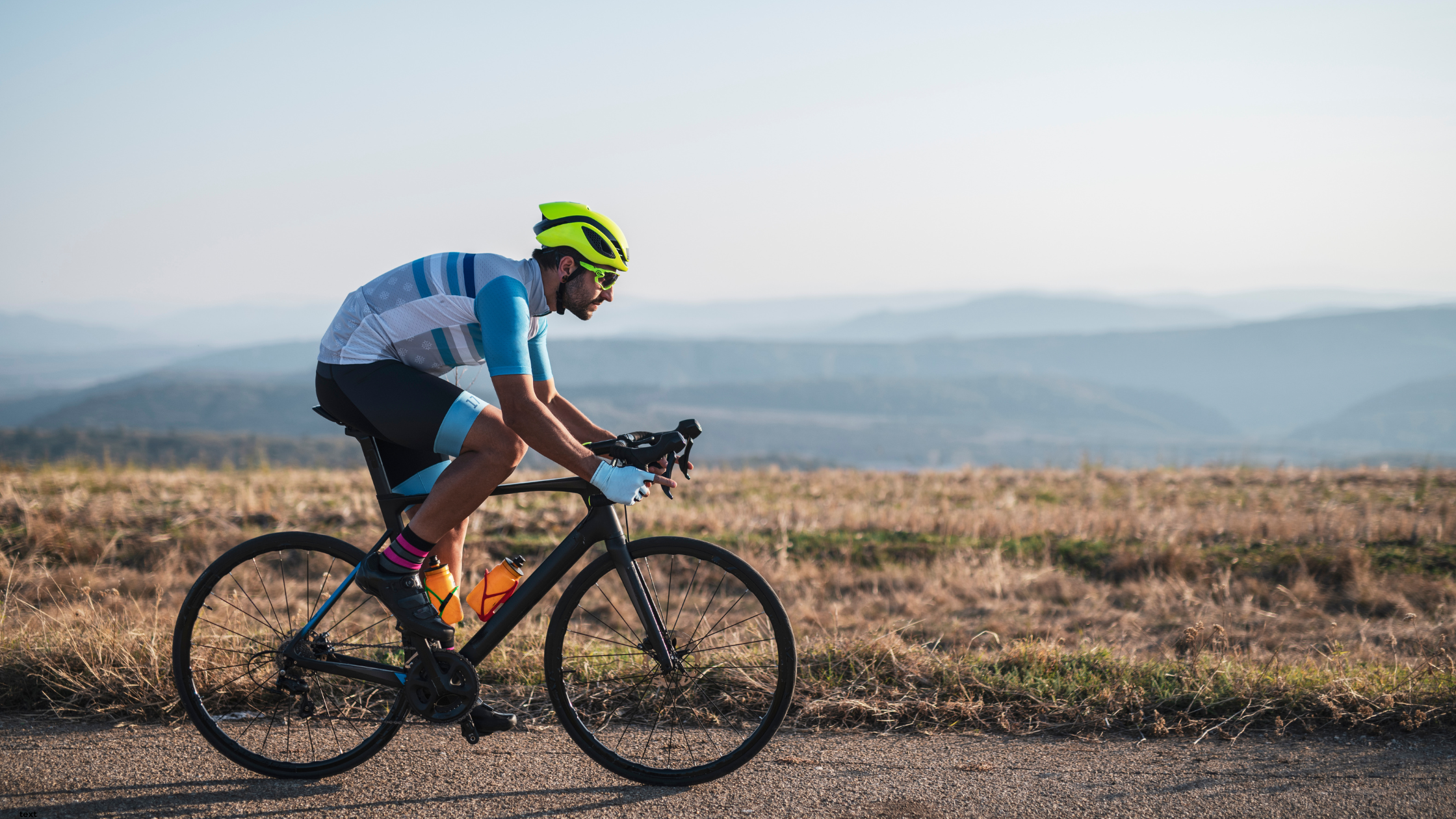
Zone 2 work helps build cardiovascular strength, improves fat metabolism, and increases mitochondrial capacity, all things widely acknowledged by coaches and athletes alike.
This kind of riding feels “comfortable hard” — you should be able to talk in full sentences while doing it and sustain it for long periods.
A lot of riders on forums say that for purely endurance and fat utilisation, Zone 2 does exactly what it’s supposed to do: create a solid engine that lets you ride longer with less fatigue.
2. Low stress and recovery benefits
If you’re doing a lot of hard, high-intensity work, Zone 2 sessions give your body a chance to adapt without adding excessive stress. They’re genuinely easy if done right and help you stay consistent across weeks and months.
Riders also note that many of their easy rides accidentally creep above Zone 2 because they don’t manage intensity well, and that’s where the real benefits come from: backing off so the body can recover between harder sessions.
Where Zone 2 Can Fall Short

1. Not a magic bullet for limited training time
A very common critique, including from cyclists I work with, is that if you only have 4–6 hours a week to commit, spending most of it in Zone 2 isn’t the most efficient path to performance gains.
In simpler terms:
If you’re short on time, higher intensities (like tempo, sweet spot, and interval work) often produce bigger adaptations per minute spent on the bike than only easy miles.
That doesn’t make Zone 2 useless; it just makes it less central if your weeks are already time-crunched.
2. Sometimes treated like a holy grail
A lot of people criticise the way Zone 2 is oversold, as though it’s the only thing you should do. That’s not what the science or top coaches suggest.
Several commenters pointed out that elite athletes naturally do a lot of Zone 2 because they train so many hours, but that doesn’t mean a regular rider should make that their only focus.
3. Some confusion around intensity and benefit
A common question is “Am I even in Zone 2?” — especially when using heart rate or power zones. Heart rate zones lag and vary a lot day to day, and power zones need calibration around your current fitness.
Lots of riders get stuck thinking they’re doing Zone 2 when they’re actually above it, which means they’re missing the recovery benefit and not triggering the right adaptations.
REAL TALK: WHAT CYCLISTS ARE ASKING
Here are some common questions from the comments and forum discussions — and why they matter:
“Is Zone 2 enough if I only train 6 hours a week?” — Most say no if your goal is performance gains; you need a mix of intensity and endurance.
“Why does Zone 2 feel easy but not move the needle?” — Because if you never challenge the body with harder stress, adaptation slows. Easy rides boost base fitness but don’t create the stimulus needed for big gains.
“How do I know I’m actually in Zone 2?” — Use structured power or HR zones based on FTP or threshold testing, not just feel or watch estimates.
These practical concerns show that zone training confusion isn’t academic; it directly affects how people train and whether they see progress.
SMARTER WAY TO USE ZONE 2

Zone 2 isn’t obsolete. It’s still a key tool, but it works best alongside other intensities:
✅ Use Zone 2 for:
- Base endurance work
- Active recovery days
- Filling in structured weeks when intensity is lower
✅ But also include:
- Tempo/Sweet spot sessions to increase sustained power
- VO2 or threshold intervals for cardiopulmonary gains
- Strength work to support power and injury prevention
This matches what coaches actually do: periodised plans, not one-size-fits-all “ride slow forever” plans.
SIMPLE, ACTIONABLE GUIDELINES
If you want results without wasting time:
1. Mix intensities: Two Zone 2 rides a week can form a base — but add 1–2 quality interval sessions for real adaptation.
2. Calibrate Zones: Use your FTP or a recent threshold test to set zones so you actually know where you’re training.
3. Don’t ignore recovery: Easy Zone 2 rides should feel genuinely easy, not just “less hard.” That’s where adaptation happens.
4. Periodise your weeks: Have harder sessions early in the week and easier sessions later — don’t just stay at the same intensity every day.
WHY THIS MATTERS
Zone 2 still has a place in cycling training. It improves endurance, supports recovery, and is foundational for many athletes. But treating it like a holistic cure-all — especially when your training time is limited- often leads to frustration and limited progress.
The most effective training plans combine effort ranges intelligently and tailor them to your specific goals, time availability, and recovery capacity.
Smart training isn’t about doing more slow miles.
It’s about knowing when and why you’re doing them.
HOW I ACTUALLY USE THIS WITH CLIENTS
This whole conversation around Zone 2 is exactly why I don’t build my clients’ programmes around endless easy miles.
Most of the cyclists I work with have busy jobs, families, and other commitments they need to factor in. They don’t have the luxury of riding 12–15 hours a week, and pretending they do just leads to frustration and stalled progress.
So instead of defaulting to loads of Zone 2, I bias training toward well-placed intensity, supported by enough endurance to build a base and enough recovery to actually absorb the work.
That usually looks like:
- Fewer total sessions, but each one with a clear purpose
- One or two quality intensity sessions per week
- Zone 2 used strategically, not obsessively
- Planned rest and easier days so fatigue doesn’t quietly build up
The goal isn’t to ride slow for the sake of it. The goal is to apply the right stress at the right time, then recover properly so fitness actually moves forward.
This approach is what allows my clients to see sustainable gains over time, rather than short bursts of motivation followed by burnout. They train around real life, not an idealised version of it.
Client of the Week — Jon

John is a great example of how this plays out in the real world.
Over the last 12 weeks, John has increased his FTP by around 15 watts while training an average of about five hours per week. No massive mileage. No riding every day. Just structured sessions, the right amount of intensity, and enough recovery to keep everything moving in the right direction.
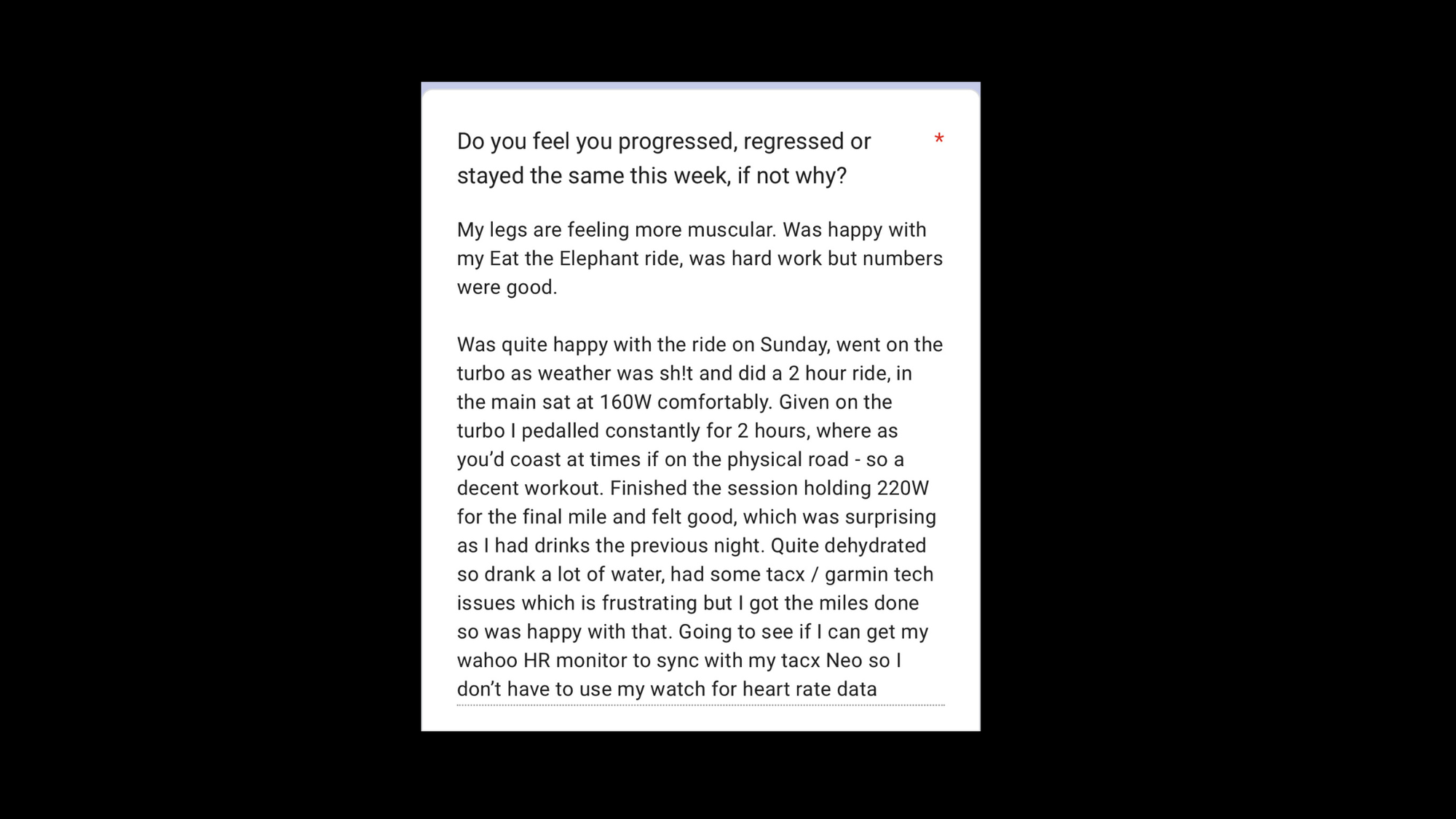
What made the difference wasn’t riding more — it was riding smarter.
By focusing on quality over quantity, Jon was able to stay consistent, recover well, and build fitness steadily without it taking over his life. That’s exactly how progress should feel.
Strong work, Jon.
Whenever you're ready, here are the ways I can help you:
- The Cycle Lean Collective: Get ready to transform your fitness journey with our new and improved 1-2-1 coaching programme.
- The Cycle Lean Blueprint: The science-backed 12-week blueprint to cycle leaner, climb stronger, and become the most resilient version of yourself.
I am an ambassador for:
Awesome Supplements: Award Winning Supplements — Our plant-based awesome protein powder is 100% UK-made with low-sugar, gluten & dairy-free.
The best protein powder I have ever tasted.
Get 10% off any product/ every time you make a purchase when using my code: DAMERELL10 at Awesome Supplements.