The Smarter Way to Train Zone 2 (Without Riding 20 Hours a Week)

The Climb (#165)
Why Structured Zone 2 Training Works — Even If You’re Short on Time
Zone 2 training has become one of the most talked-about topics in cycling over the last few years.
But a lot of riders misunderstand how it should actually be used.
I first started paying close attention to Zone 2 about three or four years ago when I had a bit more time to experiment with my training during the winter.
Instead of trying to ride hard all the time, I focused on building a strong aerobic base while managing fatigue. Much of that work was done indoors on the turbo trainer where it’s easier to control intensity and structure sessions.
Throughout the week I would build up around two to three hours of structured Zone 2 work. Sometimes this included commuting rides as well, which added another hour of easy endurance training each day.
At weekends, if I could get out on the bike, I would usually add another two or three hours of Zone 2 riding.
After three or four months of this approach, I went out on one of my first proper road rides in spring.
And the difference was noticeable straight away.
The climbs felt controlled.
My breathing was steady.
My power felt strong without feeling out of breath.
That was the moment the benefits of structured endurance training really clicked for me.
Later, when I followed a more structured training block built around this philosophy, my FTP increased by around 20 watts in just eight weeks.
That experience now sits behind how I coach cyclists today.
The Problem With Endless Easy Riding

Many cyclists hear about Zone 2 training and assume the goal is simply to ride easy for as many hours as possible.
But that approach often misses a key detail.
Professional riders doing huge volumes of Zone 2 are also training 20–30 hours per week.
Most recreational cyclists don’t have that amount of time.
And when riders simply head out for “easy rides” without structure, those sessions often drift into what coaches call the grey zone — not easy enough to recover from, but not hard enough to create meaningful adaptation.
Over time this can lead to:
• fatigue building without clear progress
• limited improvement in endurance
• frustration with training
Zone 2 training works best when it is structured and intentional, not just random easy riding.
What Structured Zone 2 Actually Looks Like

Instead of simply riding easy for hours, structured Zone 2 training focuses on controlled efforts within the correct intensity range.
For example:
• 3 × 15 minutes in Zone 2 with short recoveries
• 2 × 20 minutes steady aerobic work
• 4 × 10 minutes controlled endurance efforts
These sessions allow you to stay within the correct training zone while maintaining focus and consistency.
This approach is particularly effective for cyclists who only have 4–6 hours per week available to train.
Rather than hoping an easy ride stimulates adaptation, you deliberately target your aerobic system.
The Biggest Mistake Cyclists Make With Zone 2

Another mistake I often see is riders trying to sit at the very top of Zone 2 all the time.
While that can sometimes be useful within a structured plan, it’s not always the best option — especially if you’re balancing training with work, family commitments, and limited recovery time.
Sometimes slightly lower Zone 2 training can actually be more beneficial.
During winter, when daylight is limited and the risk of picking up illness is higher, keeping endurance rides truly aerobic can help you maintain consistency without building excessive fatigue.
Consistency always beats intensity when it comes to long-term progress.
What Training Looks Like for Most of My Clients

Most of the cyclists I work with are recreational riders over 40 who want to improve their fitness while balancing busy lives.
They typically train between five and ten hours per week.
Despite that limited time, they still see consistent improvements when their training is structured properly.
A typical week might include:
• one structured interval session
• one longer weekend ride
• two shorter Zone 2 sessions
• one or two strength training sessions
If commuting by bike is possible, that can also be a great way to build additional endurance volume without needing extra time.
The key is consistency and structure around the hours you already have available.
Real Results From Real Cyclists
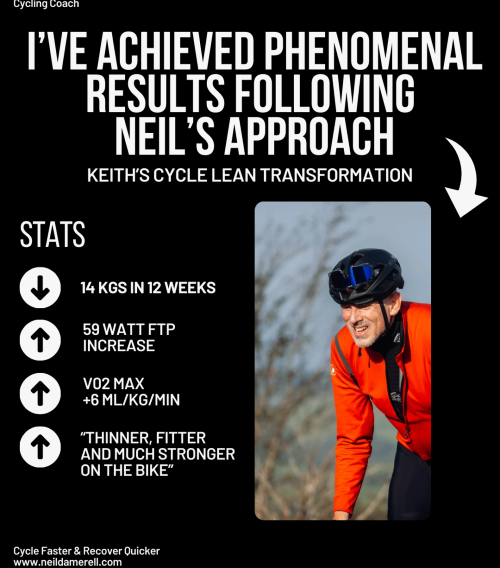
Keith is a good example.
He first joined the Cycle Lean Project before moving into one-to-one coaching.
Over a 12-week period, Keith:
• increased his FTP by 50 watts
• lost around 12 kg
• trained roughly 7–10 hours per week
Another client, Duncan, followed a similar structure.
Within about two months he:
• lost around 15 kg
• increased his FTP by 20 watts
• progressed to completing regular 100-mile rides
Neither of them were riding huge hours.
They simply followed a structured training approach that balanced endurance, intervals, recovery, and nutrition.
Why Strength Training Matters After 40
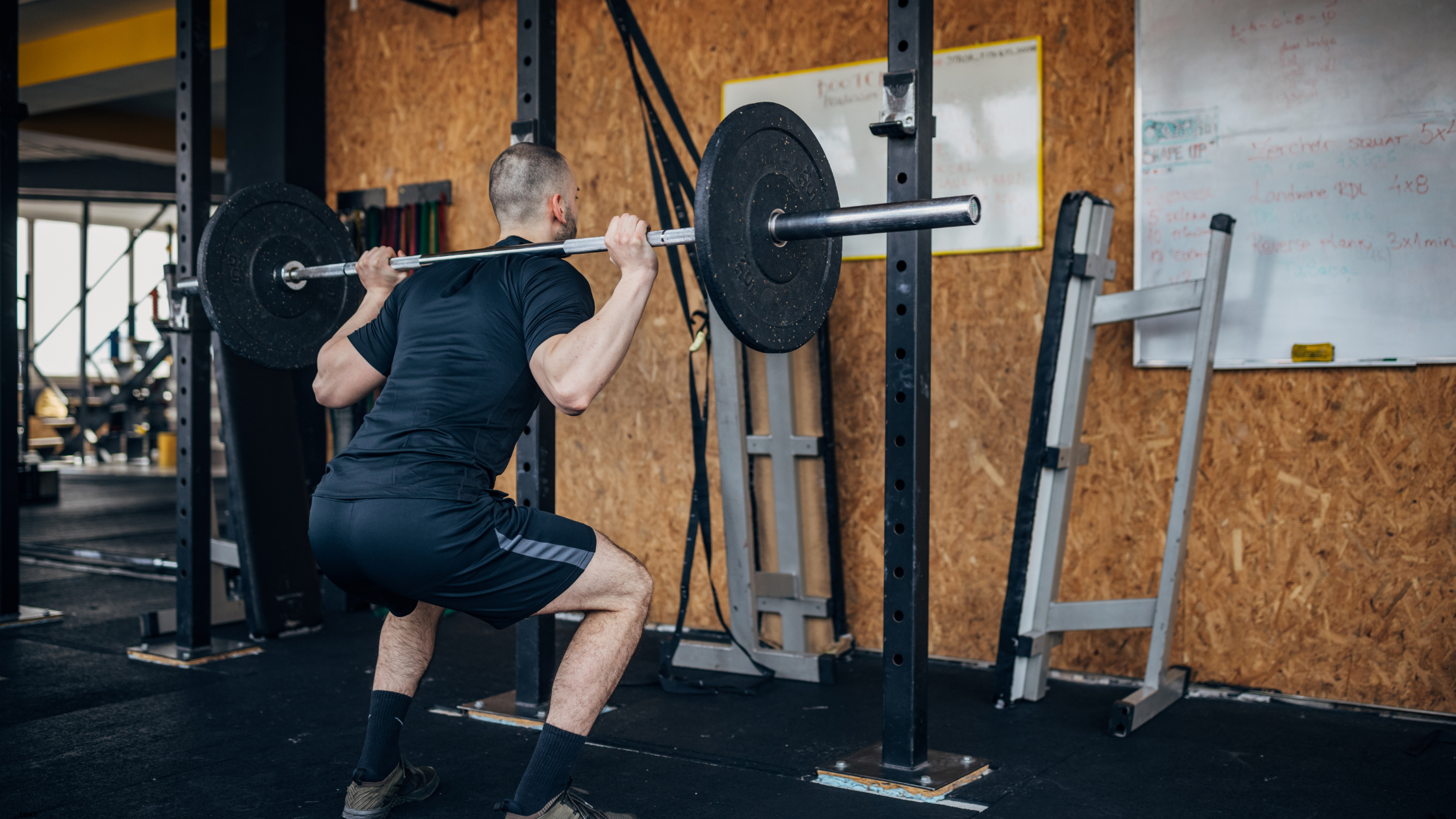
Another belief I strongly disagree with in cycling is that riders should avoid strength training.
Once we move past 40, maintaining muscle mass becomes increasingly important.
Without strength work, cyclists often struggle to maintain power and resilience on the bike.
That’s why most of the programmes I build include one or two strength sessions per week, alongside structured cycling training.
This helps riders stay stronger on climbs, maintain better posture, and reduce injury risk.
What If You Only Have Four Hours Per Week?

Even with limited time, meaningful improvements are still possible.
If someone only had four hours available to train, I would prioritise:
• two structured Zone 2 sessions
• one focused interval session
That alone can drive steady improvements when done consistently.
You don’t need endless hours.
You just need a smarter plan.
The Real Goal
Most cyclists reading this aren’t trying to win races.
They simply want to:
• keep up on club rides
• enjoy cycling holidays
• complete sportives confidently
• feel healthier and stronger
Training should support that lifestyle, not compete with it.
Whenever you're ready, here are the ways I can help you:
- The Cycle Lean Collective: Personalised 1:1 Coaching for Cyclists Who Want to Ride Stronger and Leaner — Without Wasting Hours Training. Start Today.
- The Cycle Lean Blueprint: The science-backed 12-week blueprint to cycle leaner, climb stronger, and become the most resilient version of yourself.
I am an ambassador for:
Awesome Supplements: Award Winning Supplements — Our plant-based awesome protein powder is 100% UK-made with low-sugar, gluten & dairy-free.
The best protein powder I have ever tasted.
Get 10% off any product/ every time you make a purchase when using my code: DAMERELL10 at Awesome Supplements.