How to Get Fitter on the Bike When Life Keeps Getting in the Way
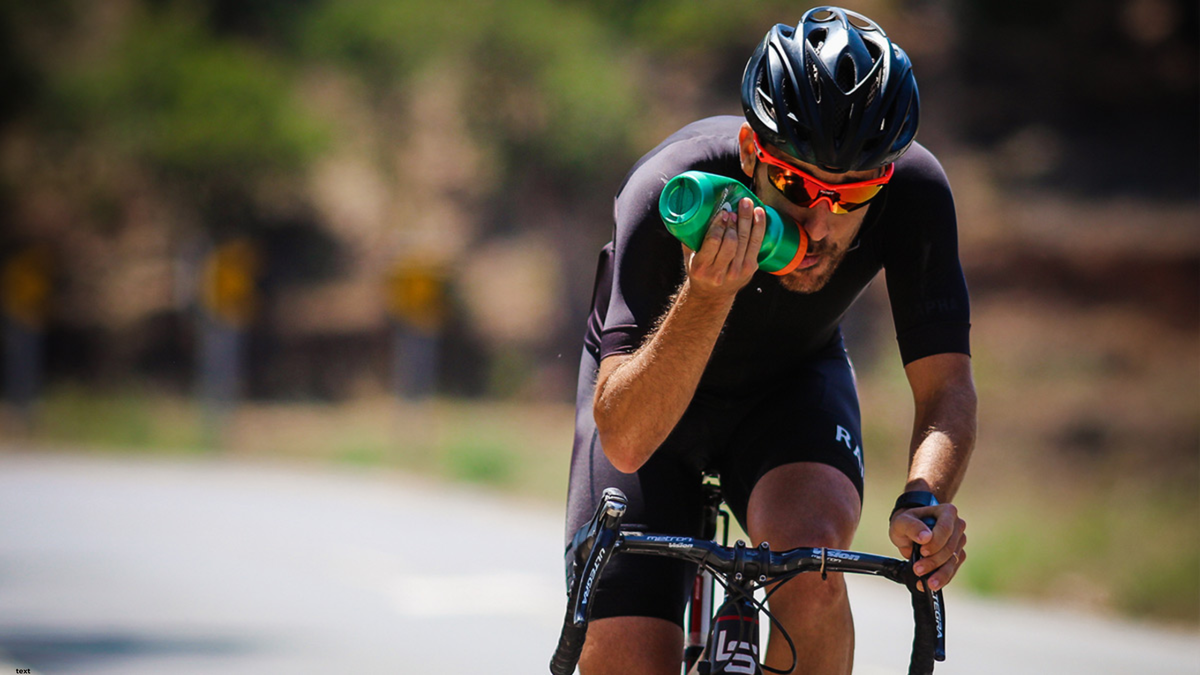
The Climb (#192)
Introduction
If you’ve got a busy job, family commitments and limited training time, you don’t need a perfect week of cycling, you need to make the time you do have as effective as possible.
That’s a big part of how I coach.
Most of the cyclists I work with aren’t able to structure their entire lives around training.
They’ve got jobs.
Families.
Travel.
Holidays.
Unexpected meetings.
And sometimes a session simply isn’t going to happen.
I don’t see that as a lack of discipline.
That’s just life.
The mistake is building a training programme that only works when nothing goes wrong.
Your Cycling Should Fit Around Your Life

I’m managing my own training alongside work and everything else going on in life as well.
So I understand that you can’t always train perfectly.
For me, the philosophy is always:
How can cycling enhance and support your life rather than compete with it?
That doesn’t mean training becomes optional or unstructured.
It means we look at the time you genuinely have available and make that time as efficient as possible.
If you’ve only got three opportunities to ride during a particular week, I’d much rather make those three sessions useful than tell you that you’ve failed because you didn’t complete five.
That’s a very different way of looking at training.
Missing A Session Isn’t The Problem
I’m not particularly bothered if one of my clients occasionally misses a session.
What matters more is understanding why.
How has work been?
How are you sleeping?
How’s your energy?
What’s happening outside cycling?
How are you recovering?
Nutrition, sleep and general life stress all matter.
I don’t want someone simply ticking boxes in TrainingPeaks while ignoring everything else that influences whether they’re actually adapting to the training.
That’s why weekly feedback is so important to me.
The plan gives us structure.
The feedback tells us whether that structure still makes sense.
The Plan Should Change When Your Week Changes

I normally build the bigger picture around a 12-week block.
That gives us direction.
We know roughly where we’re going and what we’re trying to improve.
But that doesn’t mean every session is locked in for the next three months.
We adapt the programme every week.
If you message me and say:
“I’m travelling this week and I can only ride once.”
Fine.
Now the question becomes:
What’s the most valuable session we can do with that one opportunity?
Maybe something originally planned for that week becomes less important.
Maybe another workout gives us more return for the limited time available.
That’s what coaching should do.
It should help you prioritise rather than make you feel guilty because your diary changed.
Stop Filling Limited Training Time With Junk Miles
If time is limited, every session needs a reason for being there.
I’m not interested in adding miles just for the sake of making the weekly total look impressive.
There should be an outcome behind the ride.
If you only have a small amount of time available, quality matters even more.
That could mean a specific interval session.
It could mean endurance.
It could mean strength work.
It depends entirely on what we’re trying to achieve at that point in the programme.
But I want you to know why you’re doing it.
If we can maximise the training effect from the time you have available, you don’t need to chase endless hours just because somebody else is doing more.
You Don’t Always Need A Race Goal
Not every cyclist needs to have a sportive circled on the calendar.
Sometimes the goal is simply:
Get fitter.
Lose some weight.
Ride longer without feeling destroyed.
Enjoy climbing instead of suffering all the way up.
I actually think that’s a perfectly good goal.
One of the things I said during this conversation was that I want someone to be able to enjoy the view on a climb rather than spend the entire thing chewing the handlebars.
Most of us can probably force ourselves through a hard ride.
That isn’t necessarily the goal.
The goal might be getting to the point where you can do that ride, feel strong and actually enjoy the experience.
Then, if an event appears later, we can make the training more specific.
General Fitness First, Event Specificity Later
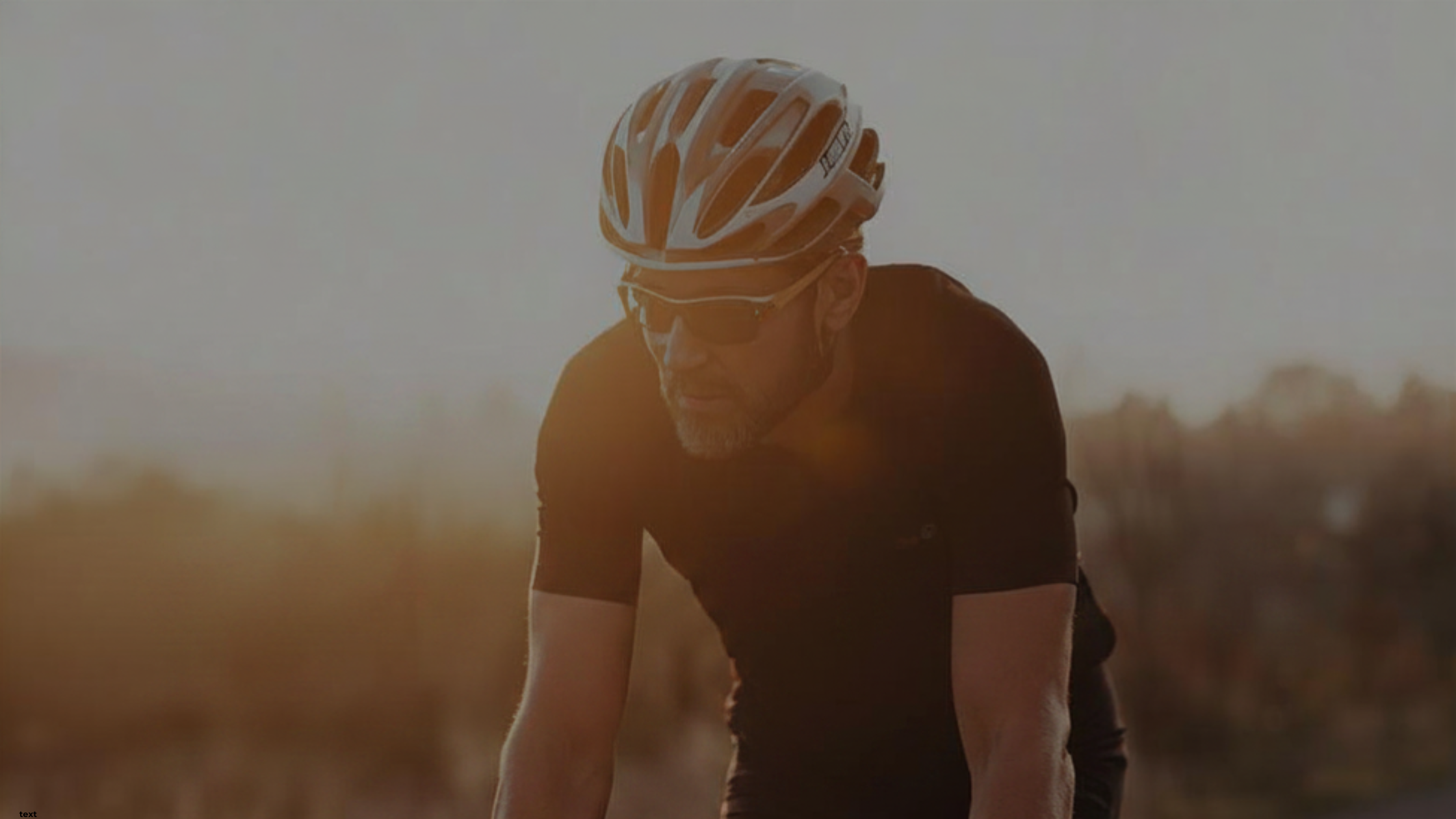
This is another reason I don’t think training needs to be overly complicated from day one.
If your current goal is simply getting fitter, let’s work on that.
Then maybe a few months later you decide:
“I want to do this mountain bike event.”
Great.
Now we look at the event.
What does it demand?
How long is it?
What sort of climbs are involved?
What kind of power will you need?
What technical or muscular demands are there?
Then the programme changes accordingly.
Your training should follow the goal rather than forcing the goal to fit whatever training plan you happen to be using.
Strength Training Has To Fit Around The Cycling Too

The same principle applies to the gym.
I don’t want to throw a huge strength programme at somebody straight away without understanding how it affects everything else.
We can start fairly beginner-friendly.
Then we look at the feedback.
How are you recovering?
How does the strength work fit around your cycling?
Are you travelling?
Do you have access to a gym?
If not, do we need a bodyweight option?
As we understand your baseline, we can gradually adjust things.
The strength programme should support the cycling.
It shouldn’t become another source of fatigue that makes every ride worse.
I Want To Reduce Decision Fatigue

This is probably one of the most important things for busy cyclists.
If you spend your entire working day making decisions, I don’t then want you getting home and having to work out:
What ride should I do?
What interval session should I choose?
Should I go hard or easy?
What should I eat?
How many calories should I have?
What should I do in the gym?
That becomes another job.
I want to remove as much of that thinking as possible.
You open the plan.
This is the session.
You know why you’re doing it.
You know roughly what you need to eat.
Then you get on with it.
The more decision fatigue I can remove, the easier I think it becomes to actually stick to the programme.
Nutrition Should Work The Same Way
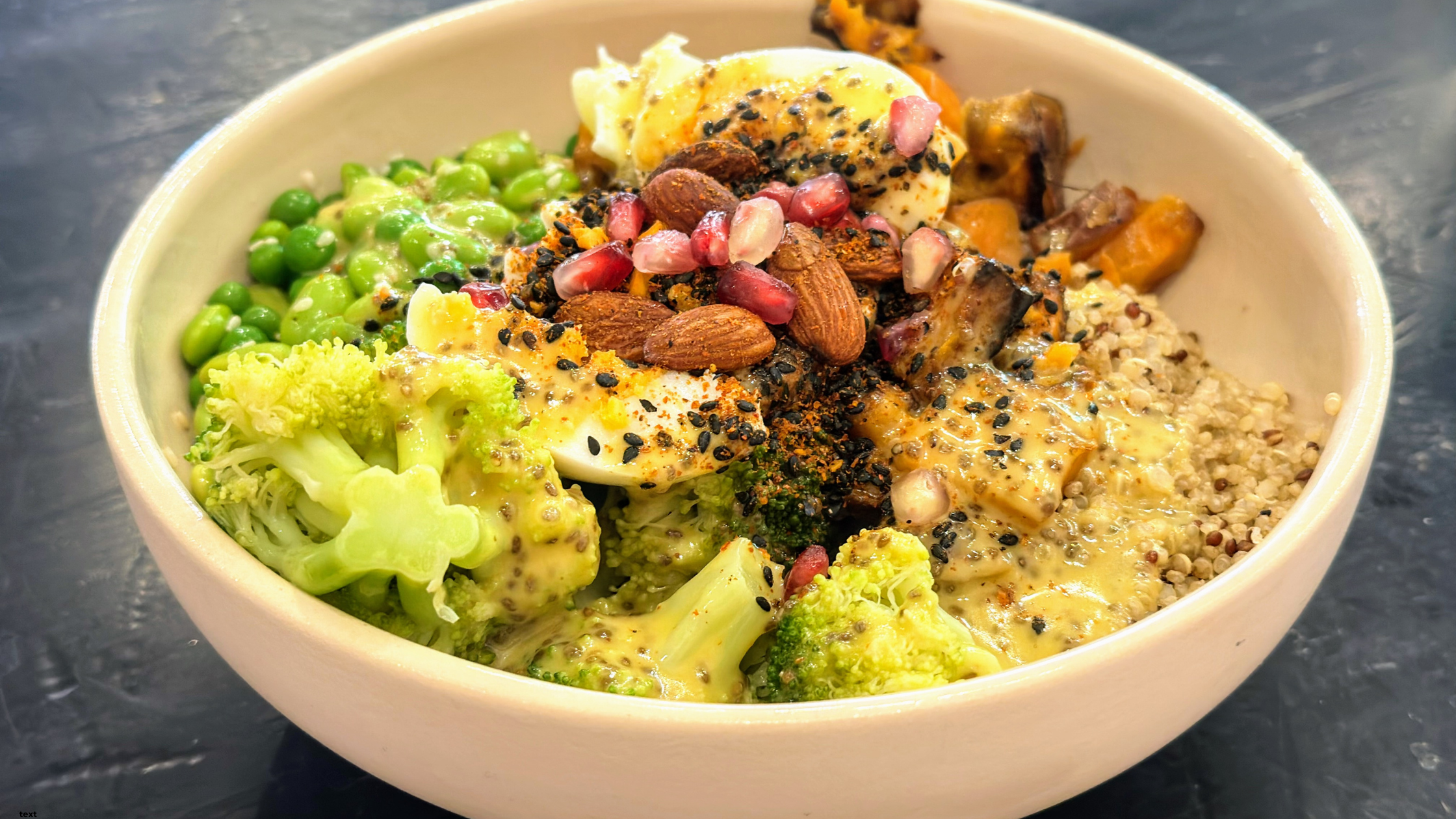
I take the same approach with food.
I don’t automatically want to remove everything you’re currently eating and hand you a completely different meal plan.
First, I want to understand your baseline.
What are you already doing well?
Where are the problems?
Do we only need to make a couple of adjustments?
Or would having more of a template actually make life easier?
That depends on the person.
The aim isn’t to make nutrition more complicated.
It’s to make it easier to follow consistently.
If giving someone more structure around meals removes another decision from their day, that can be useful.
If they already eat well and only need a few tweaks, there’s no reason to completely overhaul everything.
Your Plan Should Give You Clarity, Not More Stress

This is what I ultimately want coaching to provide.
Clarity.
You should know what you’re doing this week.
You should understand what matters most.
And if life changes, the plan changes with it.
I don’t expect somebody with a demanding career, a family and other commitments to suddenly live like a professional cyclist.
The job is to take the hours they can commit and get as much useful training from them as possible.
That might not create a perfect-looking TrainingPeaks calendar every week.
But perfect calendars aren’t the goal.
Progress is.
Conclusion
If life regularly gets in the way of your cycling, the answer isn’t necessarily to become more disciplined or try to squeeze even more into your week.
It might simply mean you need a better plan.
One that understands the time you actually have.
One that prioritises quality over junk miles.
One that changes when work, travel or family life changes.
And one that removes decisions instead of creating more of them.
For me, that’s what good coaching should do.
Cycling should fit around your life and help make it better — not become another thing you’re constantly struggling to keep up with.
Whenever you're ready, here are the ways I can help you:
- The Cycle Lean Coaching: Personalised 1:1 Coaching for Cyclists Who Want to Drop 6–12 kg and Add Up To 60 Watts of FTP While Riding 6-8 hours a Week!
- The Cycle Lean Blueprint: The science-backed 12-week blueprint to cycle leaner, climb stronger, and become the most resilient version of yourself.
I am an ambassador for:
Awesome Supplements: Award Winning Supplements — Our plant-based awesome protein powder is 100% UK-made with low-sugar, gluten & dairy-free.
The best protein powder I have ever tasted.
Get 10% off any product/ every time you make a purchase when using my code: DAMERELL10 at Awesome Supplements.