Getting Older Doesn’t Mean You Have To Stop Getting Faster
The Climb (#197)
Introduction
think one of the most damaging beliefs in cycling is:
“I’m getting older, so I’m obviously going to get slower.”
Yes, ageing changes things.
Recovery can take longer.
Maintaining muscle becomes more important.
VO2 max naturally becomes harder to preserve.
Mobility can change.
Life is usually busier.
But that does not mean your best cycling is automatically behind you.
For a lot of cyclists over 40, there are still enormous gains available simply because they haven’t optimised the basics yet.
Your Age Might Not Be The Limiting Factor
When somebody comes to me saying:
“I’m getting slower because I’m older.”
I want to know what their training actually looks like.
Are they doing structured intervals?
Are they strength training?
Are they getting enough sleep?
Are they carrying more body fat than they would like?
Are they fuelling rides properly?
Is there progression in the plan?
Because if none of those things are being managed particularly well, age might be quite a long way down the list of problems.
Strength Becomes More Important
This is one area I think cyclists need to take far more seriously.
As you get older, maintaining muscle and strength matters for far more than FTP.
It matters for bone health.
Balance.
Resilience.
Everyday function.
Long-term independence.
And yes, cycling performance.
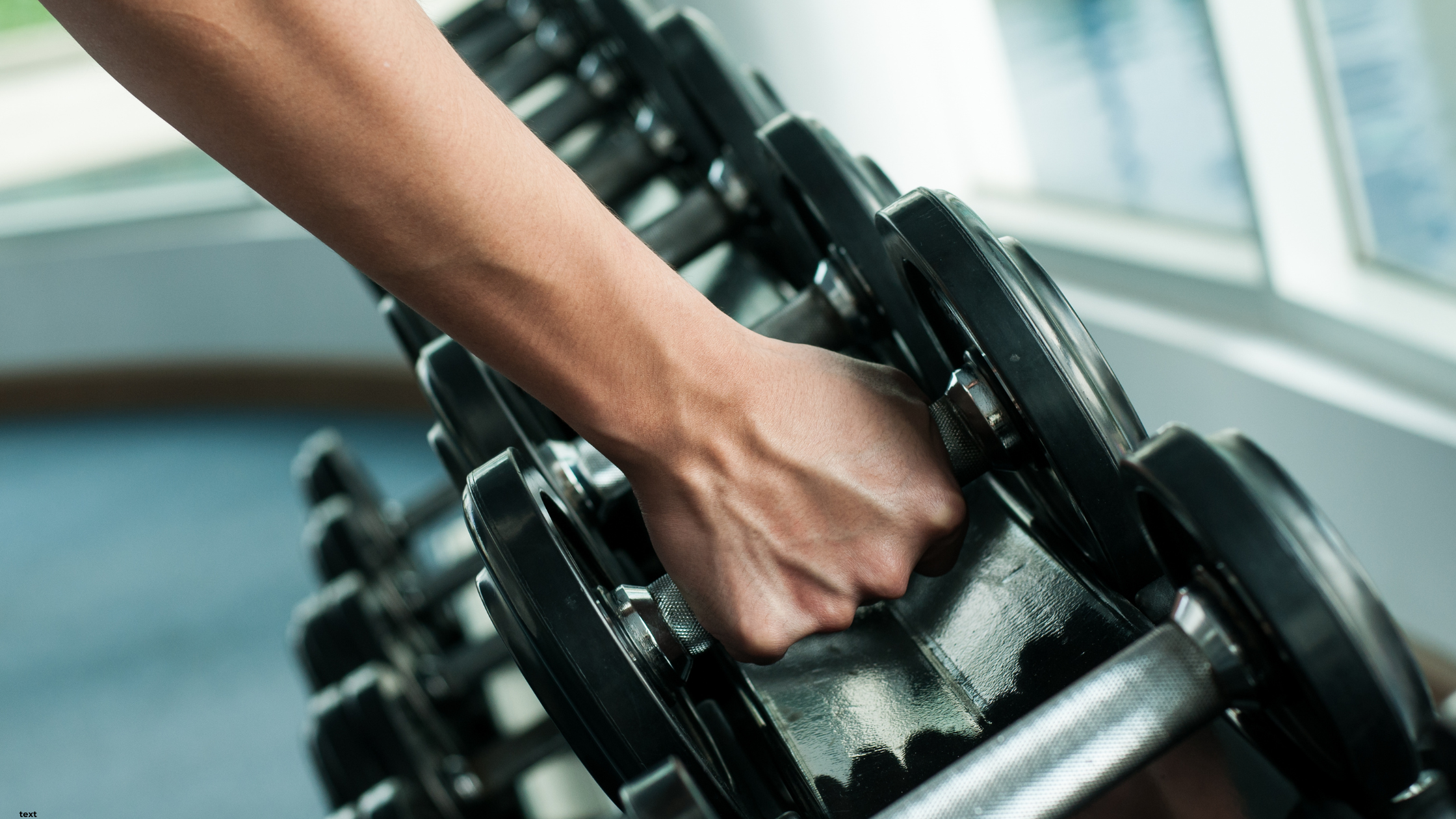
That’s why I encourage cyclists over 40 to include some form of resistance training.
It doesn’t need to be bodybuilding.
It just needs to be consistent.
Keep Some Intensity
There is sometimes a temptation to get older and gradually make everything easier.
More steady riding.
Less intensity.
Less hard work.
But that may actually accelerate the decline you’re trying to avoid.
You still need to challenge the cardiovascular system.
Intervals still matter.
VO2 work still matters.
The difference is that recovery around those sessions becomes more important.
Hard days hard.
Easy days easy.
Duncan Is A Good Example
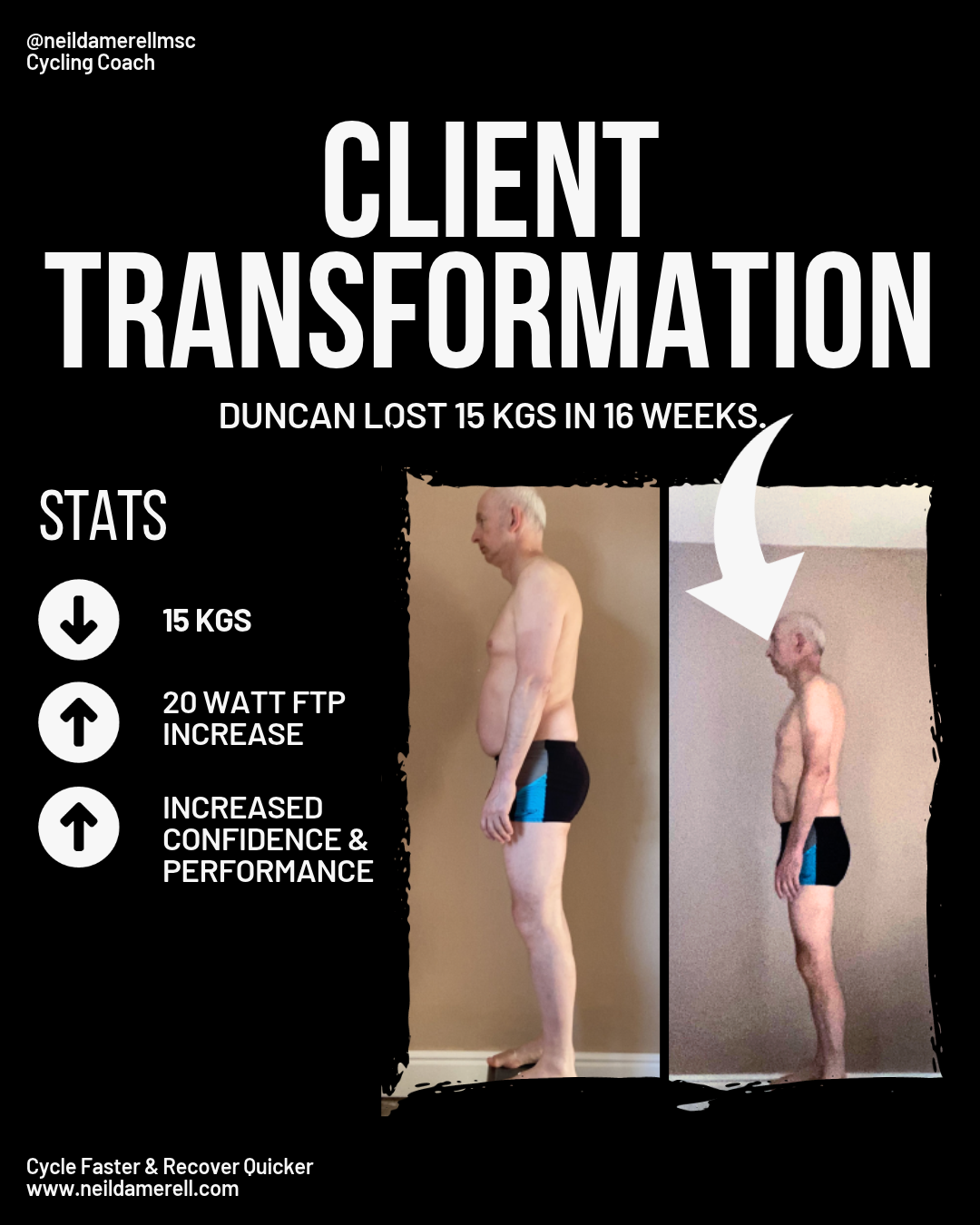
Duncan came to me after a pretty difficult period that included illness and serious injuries from an accident.
He started at around 85kg with an FTP around 242 watts.
Over time he got down to roughly 72kg while increasing FTP to around 265 watts.
He went from struggling with longer rides and cramping to regularly completing 100-mile rides.
That’s not somebody accepting that getting older means getting worse.
That’s somebody changing the things that could still be changed.
Recovery Becomes Part Of Training

This is perhaps the biggest shift after 40.
When you’re younger, you can sometimes get away with terrible recovery habits.
You train hard.
Sleep badly.
Eat whatever.
Then somehow turn up again the next day.
Eventually that stops working.
Recovery has to become part of the plan.
Sleep.
Nutrition.
Stress.
Rest days.
Easy weeks.
That isn’t weakness.
It is what allows the harder work to keep producing results.
Subscribe to The Climb — and get a weekly dose of science-backed tips, strategies, and tools to help you lose weight, build strength, and ride stronger without spending hours on the bike.
Action This Week
Instead of blaming age, identify your biggest current limiter.
Is it:
Strength?
Body composition?
VO2 max?
Recovery?
Sleep?
Nutrition?
Training structure?
Pick one.
Work on it for the next 8–12 weeks.
Then reassess.
Final Thought
You cannot stop yourself getting older.
But you have a lot of control over how you age.
For me, cycling is not simply about chasing FTP forever.
It’s one of the vehicles we can use to stay fit, strong, healthy and capable for as long as possible.
And if you happen to become faster along the way?
Even better.
Don’t train like you’re trying to become 25 again.
Train like you want to be an exceptionally fit 50, 60 or 70-year-old.
Whenever you're ready, here are the ways I can help you:
- The Cycle Lean Coaching: Personalised 1:1 Coaching for Cyclists Who Want to Drop 6–12 kg and Add Up To 60 Watts of FTP While Riding 6-8 hours a Week!
- The Cycle Lean Blueprint: The science-backed 12-week blueprint to cycle leaner, climb stronger, and become the most resilient version of yourself.