Cycling Fueling for Weight Loss: How to Eat on the Bike Without Gaining Weight
The Climb (#186)
Introduction
One of the biggest mistakes cyclists make when trying to lose weight is cutting fuel from the ride.
I understand why.
You want to lose body fat.
You think fewer calories must be better.
So you go out for a long ride with hardly any carbs, maybe just coffee, water, and a bit of hope.
Then the ride feels awful.
You get home starving.
You snack all afternoon.
Then by the evening, you’ve eaten more than you would have if you’d just fuelled the ride properly.
That’s the trap.
Fuel the ride, diet around the ride
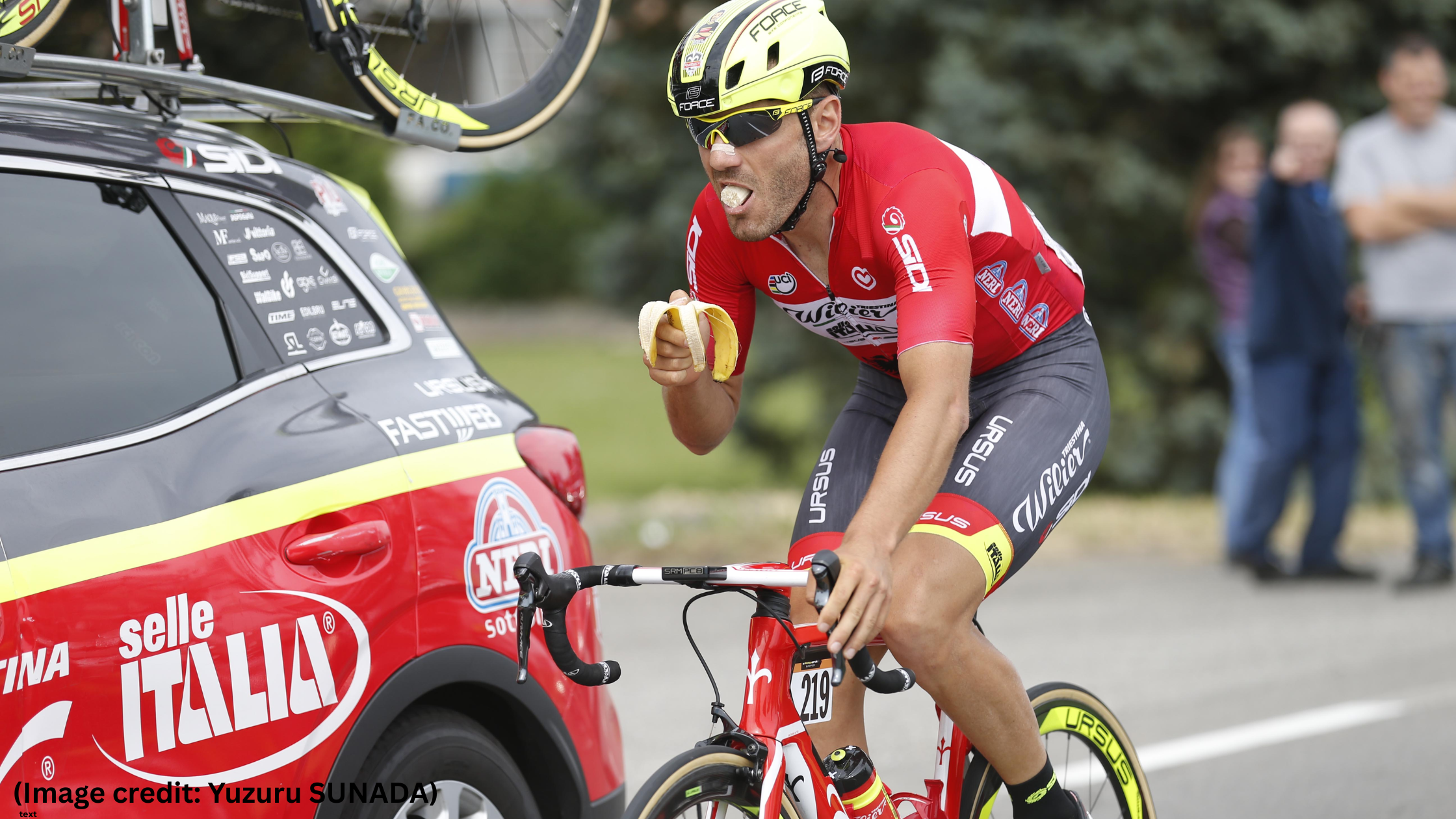
This is one of the biggest principles I teach cyclists.
Don’t try to create your calorie deficit during important training sessions.
Fuel the work.
Then manage your calorie intake across the rest of the day and week.
That’s especially important if you want to ride stronger, improve fitness, and still lose weight.
Carbohydrate during endurance exercise helps maintain blood glucose and supports performance, and sports nutrition guidance commonly recommends carbohydrate intake during longer endurance sessions.
In plain English:
If the ride is long or hard, eat.
Why under-fuelling backfires
Under-fuelling can cause a few problems.
You might:
- ride slower
- feel flat
- struggle to hold power
- fade late in the ride
- recover poorly
- crave more food later
- make worse food choices after training
That last one is massive.
A lot of cyclists think they’re being disciplined by not eating on the bike.
But if that leads to raiding the cupboards later, it’s not discipline.
It’s just delayed hunger.
Separate performance fuelling from fat loss
This is the line I’d remember:
Fuel your training. Create the deficit away from the bike.
For example, if you’re doing a short easy spin, you may not need much fuel.
But if you’re doing a long group ride, intervals, or riding in hot conditions, you’ll likely perform better with carbs and fluids.
That doesn’t mean eating unlimited gels.
It means fuelling appropriately.
What should you eat on the bike?
Here’s a simple guide.
Rides under 60 minutes
If it’s easy, you may only need water.
If it’s hard, a small carb source can help.
Rides 60–90 minutes
Consider 20–40 g carbs per hour, especially if intensity is moderate or high.
Rides over 90 minutes
Aim for around 30–60 g carbs per hour as a practical starting point.
Some trained athletes can tolerate more, but you don’t need to jump straight to high numbers.
Start simple.
Good options:
- bananas
- gels
- energy chews
- jam sandwich
- carb drink
- rice cakes
- fig rolls
- sports bars
The best fuel is the one you’ll actually use and tolerate.
Don’t forget hydration
This matters even more in the heat.
One client I’m working with rides in Florida, where the heat and humidity are brutal. In his recent group ride, he made sure to hydrate properly and finished without cramping, which he saw as a big win.
That’s not a small detail.
Heat increases the stress of a ride.
So if you’re riding in warm conditions, think about:
- fluids before the ride
- electrolytes during the ride
- replacing fluids after the ride
- not waiting until you’re desperate to drink
The post-ride meal matters
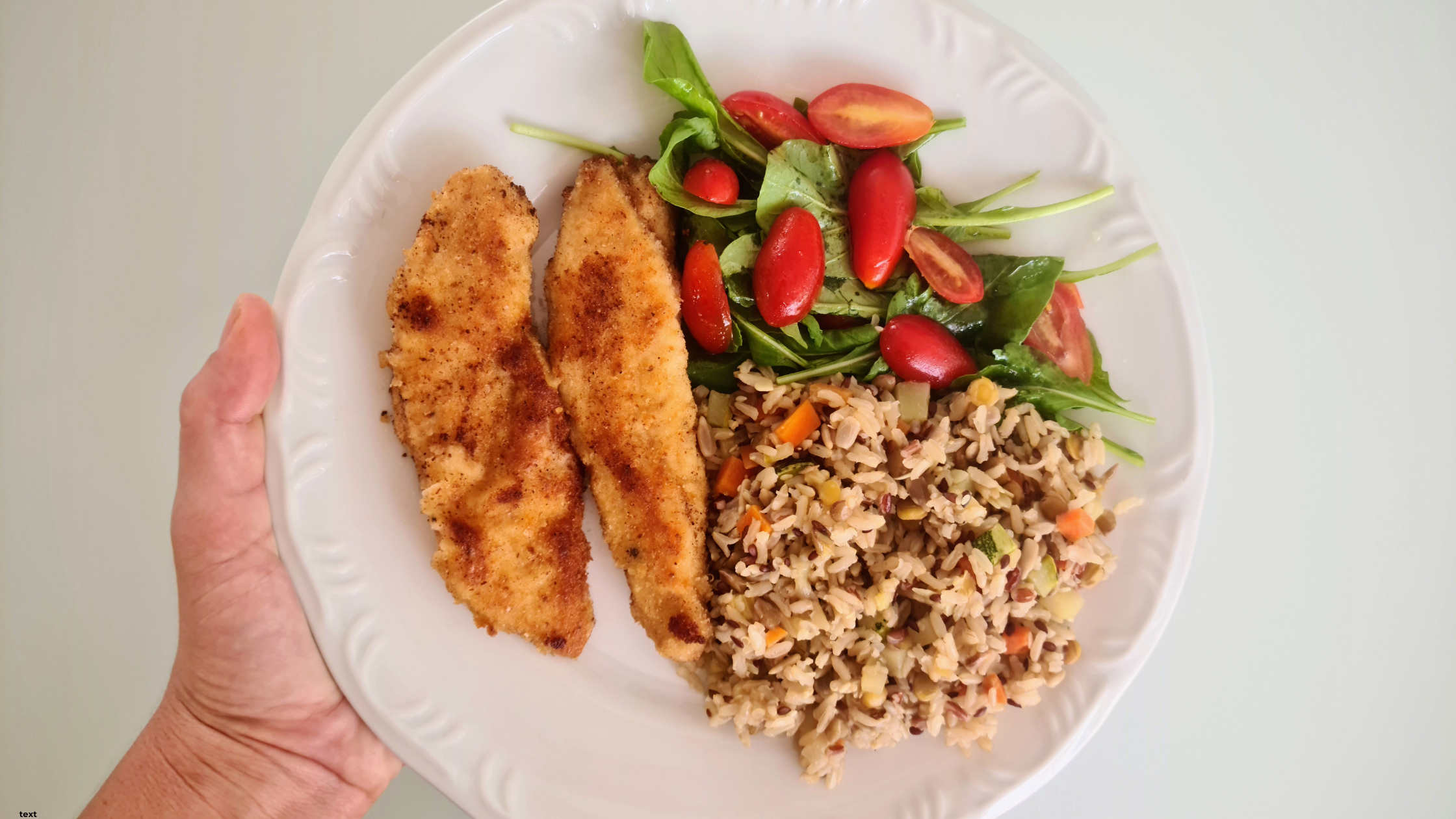
This is where weight loss often goes wrong.
You fuel the ride okay, but then you come home with no plan.
So you eat whatever is easiest.
That might be fine occasionally.
But if fat loss is the goal, your post-ride meal needs some structure.
I’d aim for:
- protein
- carbs
- fruit or veg
- fluids
For example:
- chicken wrap and fruit
- eggs, toast, and yoghurt
- tuna rice bowl
- protein smoothie and bagel
- turkey sandwich and salad
Protein is especially important when you’re trying to lose fat and keep muscle. ISSN guidance suggests 1.4–2.0 g protein per kg of bodyweight per day is enough for most exercising individuals.
Your action plan for your next ride
Before your next long or hard ride, decide:
- How long am I riding?
- How hard will it be?
- How many carbs do I need per hour?
- What fluids will I take?
- What will I eat when I get home?
That fifth question is probably the most important for weight loss.
Because the ride rarely ruins your progress.
The unplanned eating after the ride often does.
Final thought
You don’t need to choose between losing weight and fuelling your rides.
You just need to stop treating ride fuel like the enemy.
Eat enough to ride well.
Then build structure around the rest of your day.
That’s how you become leaner without feeling like every ride is a battle against hunger.
Whenever you're ready, here are the ways I can help you:
- The Cycle Lean Coaching: Personalised 1:1 Coaching for Cyclists Who Want to Drop 6–12 kg and Add Up To 60 Watts of FTP While Riding 6-8 hours a Week!
- The Cycle Lean Blueprint: The science-backed 12-week blueprint to cycle leaner, climb stronger, and become the most resilient version of yourself.
I am an ambassador for:
Awesome Supplements: Award Winning Supplements — Our plant-based awesome protein powder is 100% UK-made with low-sugar, gluten & dairy-free.
The best protein powder I have ever tasted.
Get 10% off any product/ every time you make a purchase when using my code: DAMERELL10 at Awesome Supplements.