14 Ways Bigger Cyclists Over 40 Can Get Faster Without Just Losing Weight

The Climb (#194)
Introduction
If you’re a bigger cyclist, it’s very easy to convince yourself that your weight is the main thing holding you back, especially when the road points upwards and you watch lighter riders disappear up the climb while you’re grinding away behind them.
You immediately start thinking:
“If I could just lose 10kg, everything would be easier.”
And yes, body weight does matter in cycling.
But I think a lot of cyclists over 40 become far too focused on the number on the scales and forget that being lighter does not automatically make you faster.
If you lose weight but also lose muscle, power, energy, confidence, and the ability to train consistently, you haven’t really solved the problem.
What I’ve seen through coaching is that the biggest improvements usually come when several things start working together properly.
Better training.
Better nutrition.
Better fuelling.
More strength.
Better recovery.
Smarter pacing.
And then, if losing some excess body fat is appropriate, doing that in a way that actually supports the cyclist you’re trying to become.
So if you’re a bigger cyclist over 40 and want to improve, this is where I’d start.
1. Stop Trying To Outride Your Diet
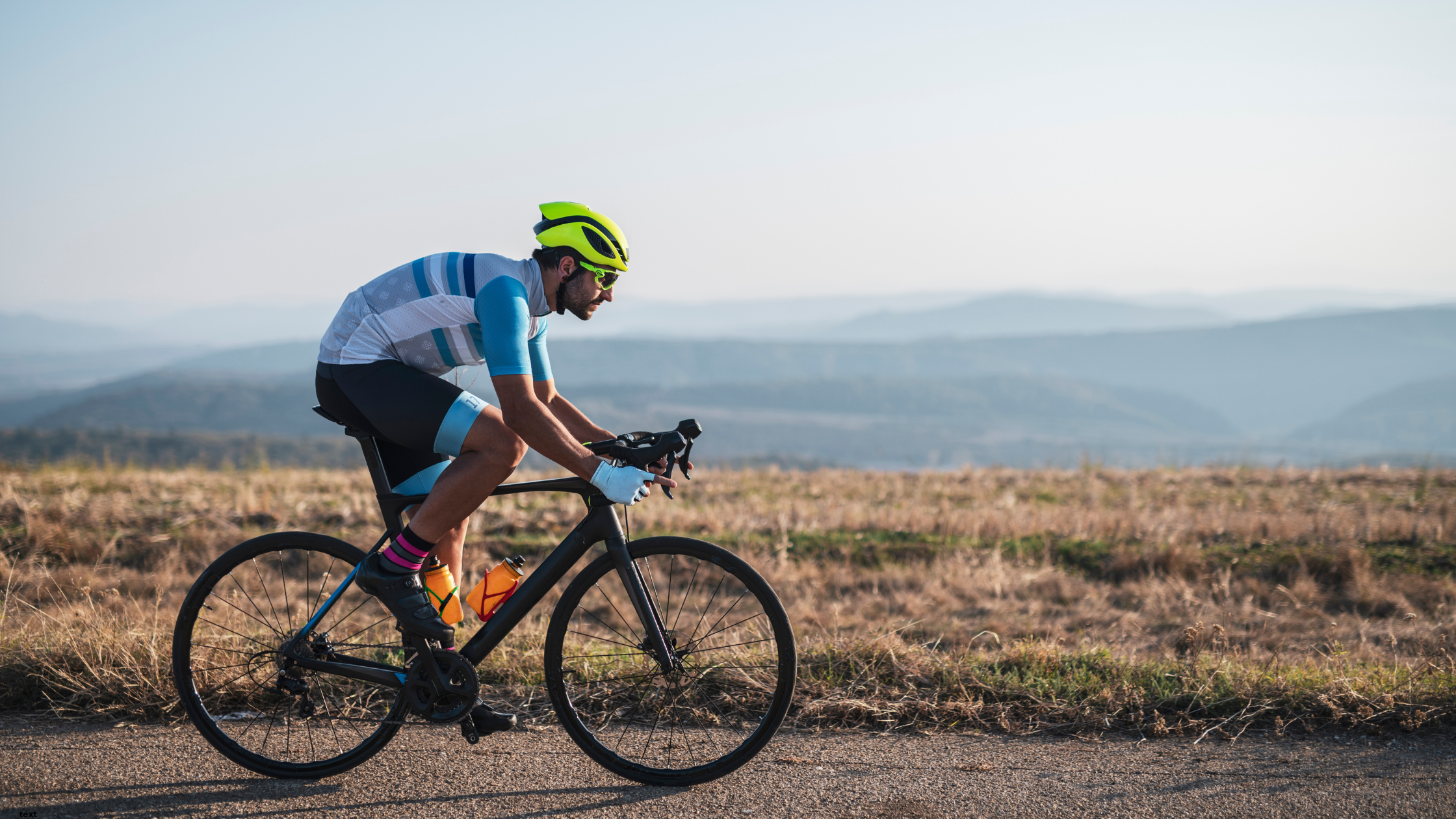
This is probably one of the biggest mistakes I see.
A cyclist wants to lose weight, so the obvious answer seems to be more riding.
Another session.
Another long weekend ride.
A few more miles here and there.
But if your nutrition away from the bike is not supporting your goal, it is very easy to replace everything you burned.
I see this pattern all the time.
Monday to Friday is pretty good.
Then Saturday comes.
You do a big ride.
Come home absolutely starving.
Eat far more than you planned.
Then Sunday becomes a mixture of snacks, bigger meals, recovery food, and maybe another café stop.
Before you know it, the deficit you created during the week has disappeared.
If fat loss is the goal, your food away from the bike has to be part of the plan as well.
Try this: Track what you eat for seven days, including the weekend, and do it without trying to make yourself look “good.”
You need the real picture before you can make useful changes.
2. Fuel Your Rides Properly
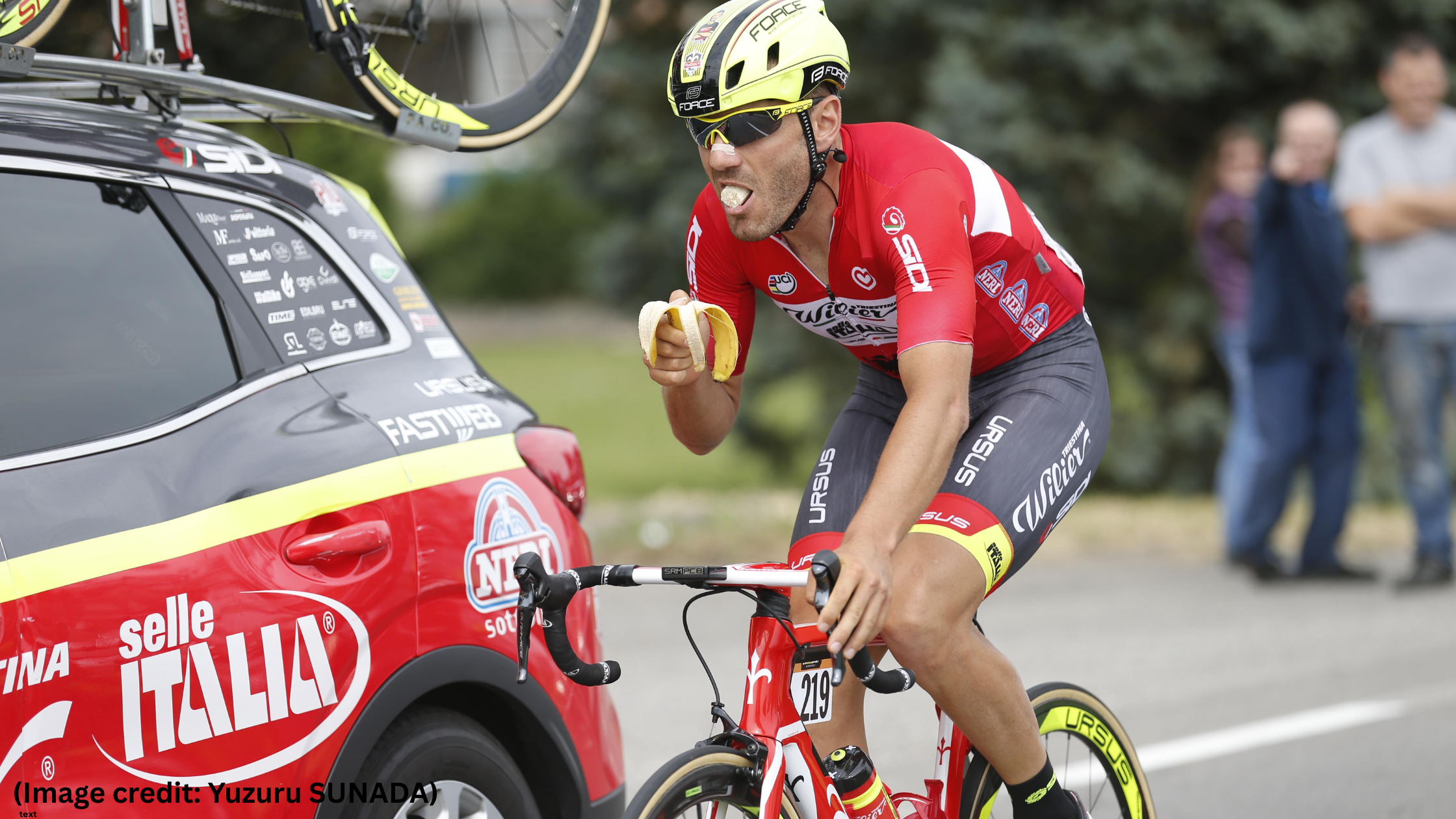
This is where a lot of cyclists get confused.
They want to lose weight, so they start cutting food from the ride itself.
They think:
“If I eat less while cycling, I’ll burn more fat.”
But in practice, that often creates a worse outcome.
You underfuel.
The ride feels harder.
Power drops.
You finish depleted.
Then you spend the rest of the day trying to satisfy a level of hunger that has become much harder to control.
I would much rather see a cyclist fuel a long or hard ride properly, get the training effect they actually want, and then manage calories away from the bike.
That gives you a much better chance of staying consistent.
Fuel the work.
Then manage the deficit around the rest of the day.
3. You Can Lose Weight Quickly, But Have A Plan For What Happens Next
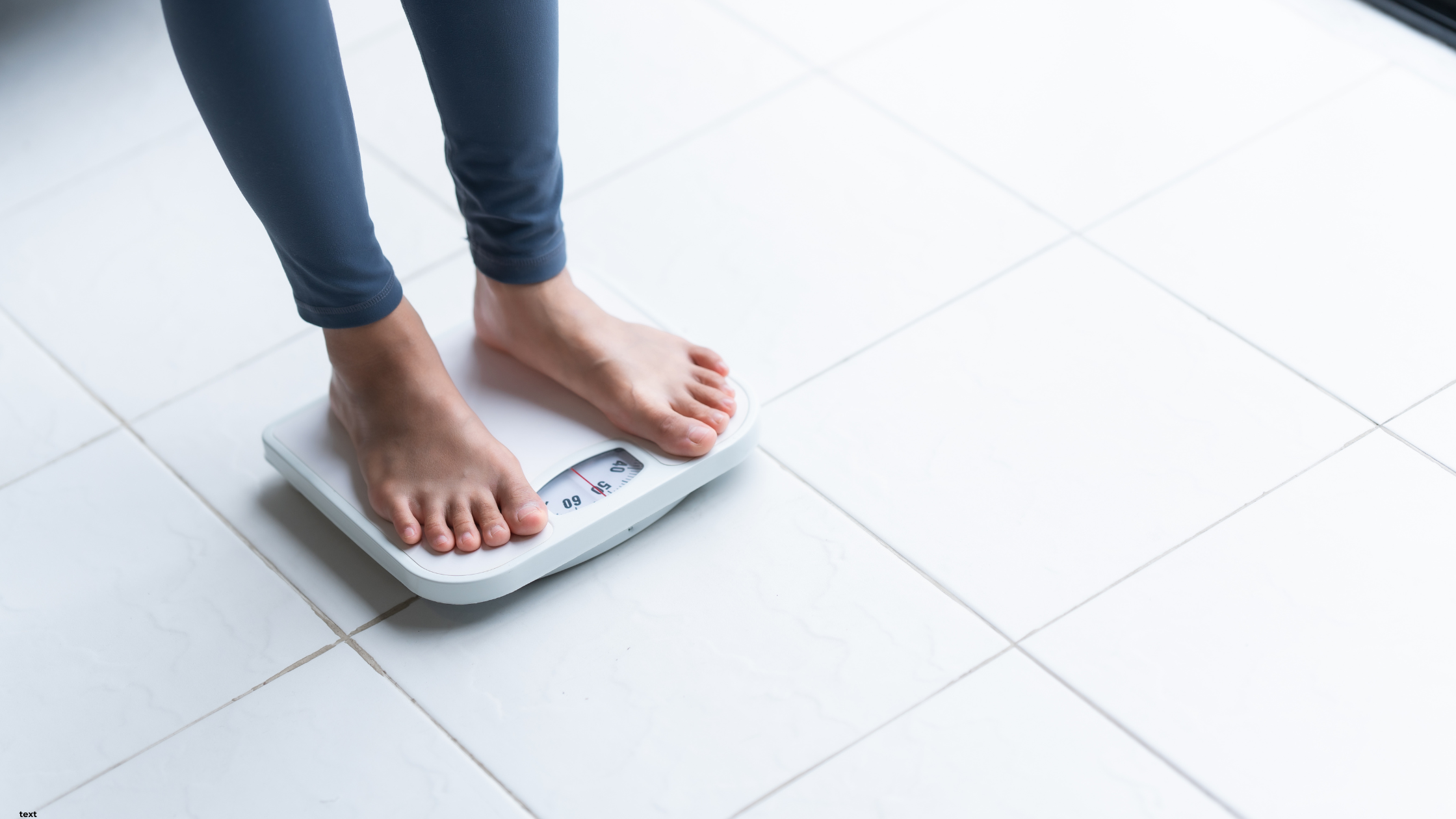
I don’t think faster weight loss is automatically a bad thing.
There are situations where a cyclist has a clear event coming up and wants to reduce body weight over a shorter period.
That can work.
But the big mistake is thinking the diet ends when the target weight is reached.
One of my clients, Stefano, is a really good example.
He had a cycling event coming up and wanted to reduce his weight beforehand.
Over eight weeks, he lost around 8kg.
That is a significant amount of weight in a relatively short period.
But the reason I’m comfortable using his result as an example is what happened afterwards.
He kept the weight off.
And the reason he kept it off is because we were not just chasing a lower number on the scales.
We were working on the habits he would need once the fat-loss phase finished.
How he fuelled his rides.
What he ate away from the bike.
How he managed portions.
How he structured meals.
How he dealt with hunger after long rides.
And how he could move back towards maintenance without simply returning to the habits that had caused the weight gain in the first place.
That is the bit people miss.
A short, focused fat-loss phase can work very well.
But you need to know what happens in week nine.
If you lose 8kg and then immediately go back to exactly how you were eating before, you have not really solved the problem.
So rather than only asking:
“How quickly can I lose the weight?”
You also need to ask:
“How am I going to maintain this once the diet is finished?”
For some cyclists, slower weight loss will be the better option.
For others, a shorter and more focused phase may suit the goal.
Either way, the long-term plan still matters.
Try this: Before starting a fat-loss phase, write down what your maintenance phase will look like.
What will your normal meals look like?
How will you fuel rides?
How will you manage weekends?
What habits need to stay when the calorie deficit ends?
Losing weight is one goal.
Keeping it off while continuing to ride well is the bigger one.
4. Build Your Power Instead Of Only Reducing Your Weight
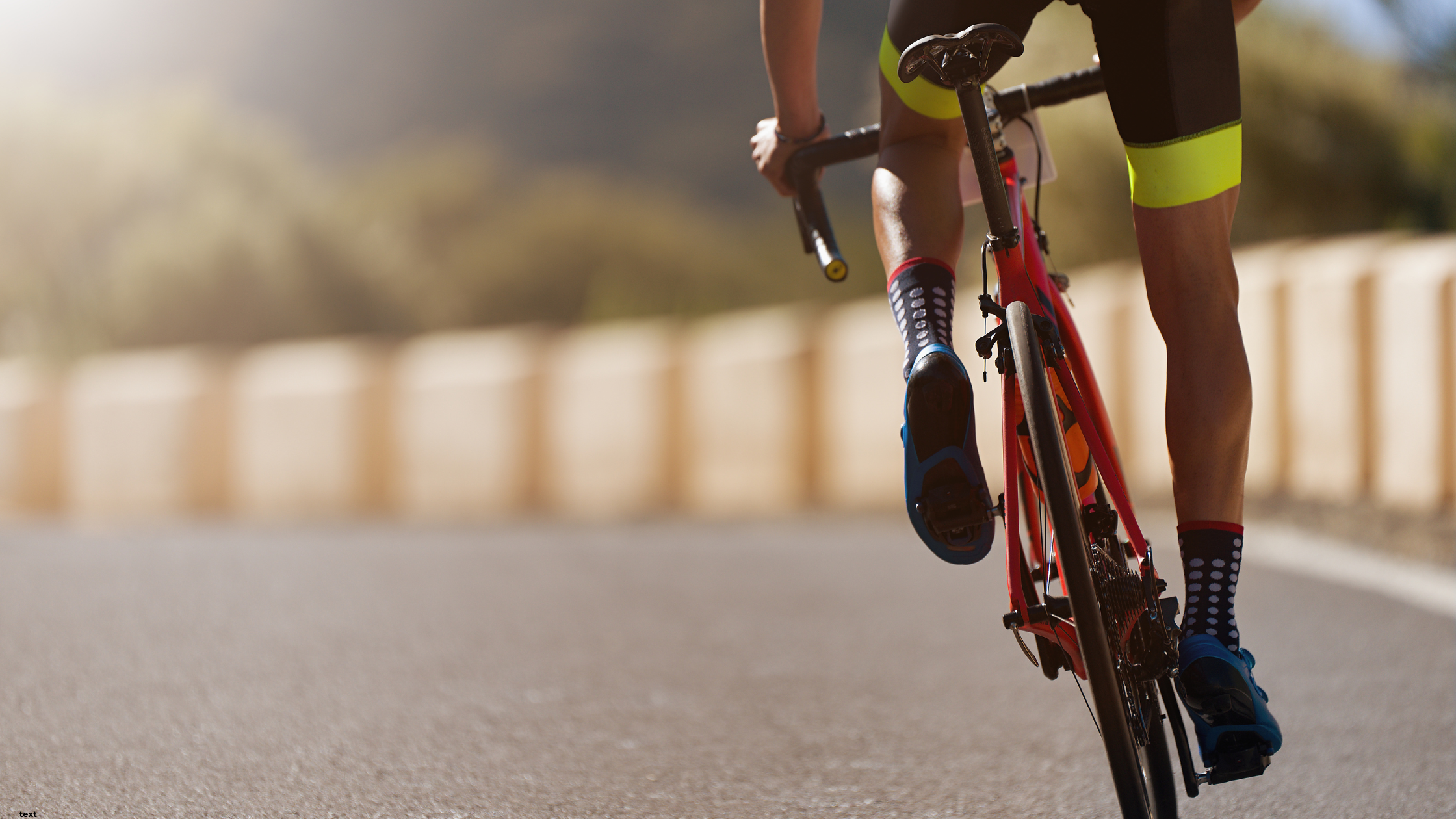
Watts per kilo has two parts.
Watts.
And kilos.
Most bigger cyclists become obsessed with the second number and forget the first one.
But you can improve your power-to-weight ratio by getting stronger as well as lighter.
This is where I think a lot of cyclists miss an opportunity.
They spend all their energy trying to reduce body weight while ignoring the fact that their power could be moving up at the same time.
Lewis is a great example.
He increased his FTP from around 214 watts to 248 watts while also losing roughly 3kg.
He didn’t need an extreme diet.
He didn’t need endless mileage.
He needed better structure and better consistency.
So before you decide your weight is the only thing holding you back, ask whether your power could be improved too.
5. Train With More Purpose
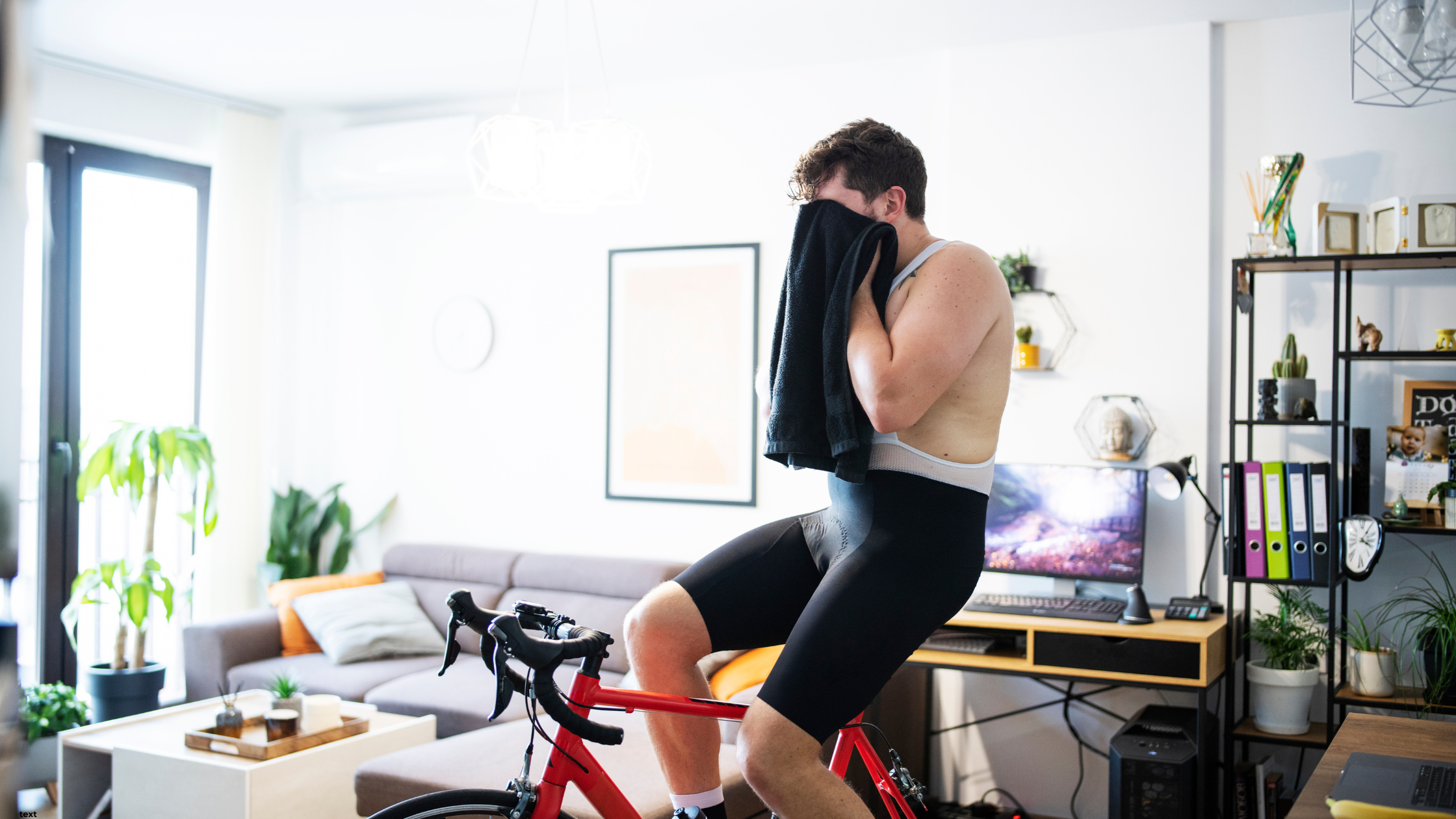
More cycling does not automatically mean more progress.
This is something I talk about with clients all the time.
Every ride should have a job.
An endurance ride should build endurance.
An interval session should create a specific training stimulus.
A recovery ride should help you recover.
Where cyclists get into trouble is when everything ends up in the middle.
Not easy enough to recover from.
Not hard enough to really move the needle.
You’re just constantly doing “kind of hard” riding and wondering why you feel tired all the time.
You do not need more junk miles.
You need more purposeful miles.
6. Make Your Easy Rides Actually Easy
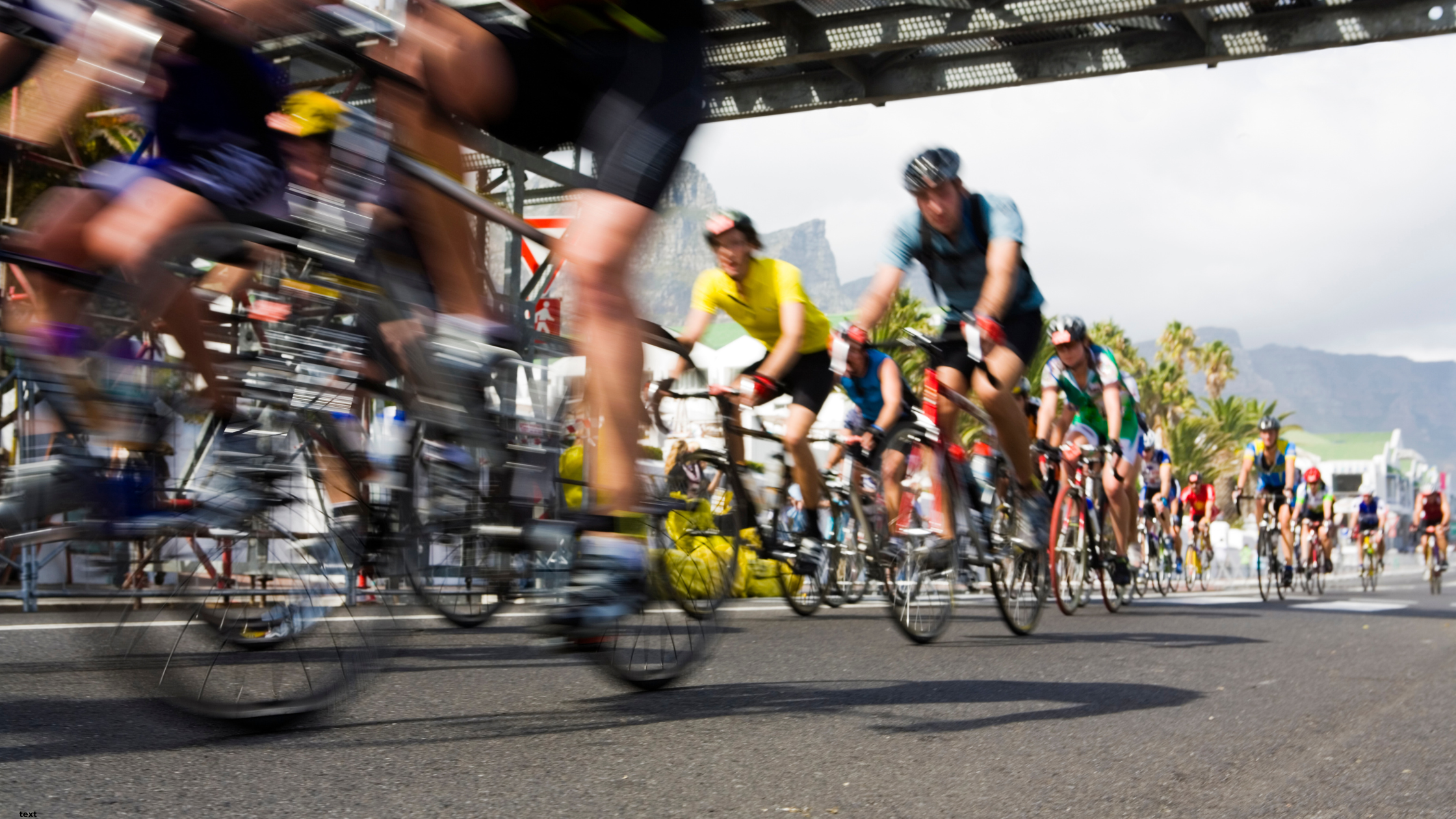
This sounds simple, but cyclists are terrible at it.
You leave the house planning a steady Zone 2 ride.
Then somebody passes you.
The group speeds up.
You see a Strava segment.
Suddenly the easy ride is not easy anymore.
For cyclists over 40, this can really add up.
You have training stress.
Work stress.
Family stress.
Poor sleep.
Life.
You do not need every ride becoming another hard session.
Keep easy rides easy so you have enough energy to perform when the harder work actually matters.
7. Add Strength Training
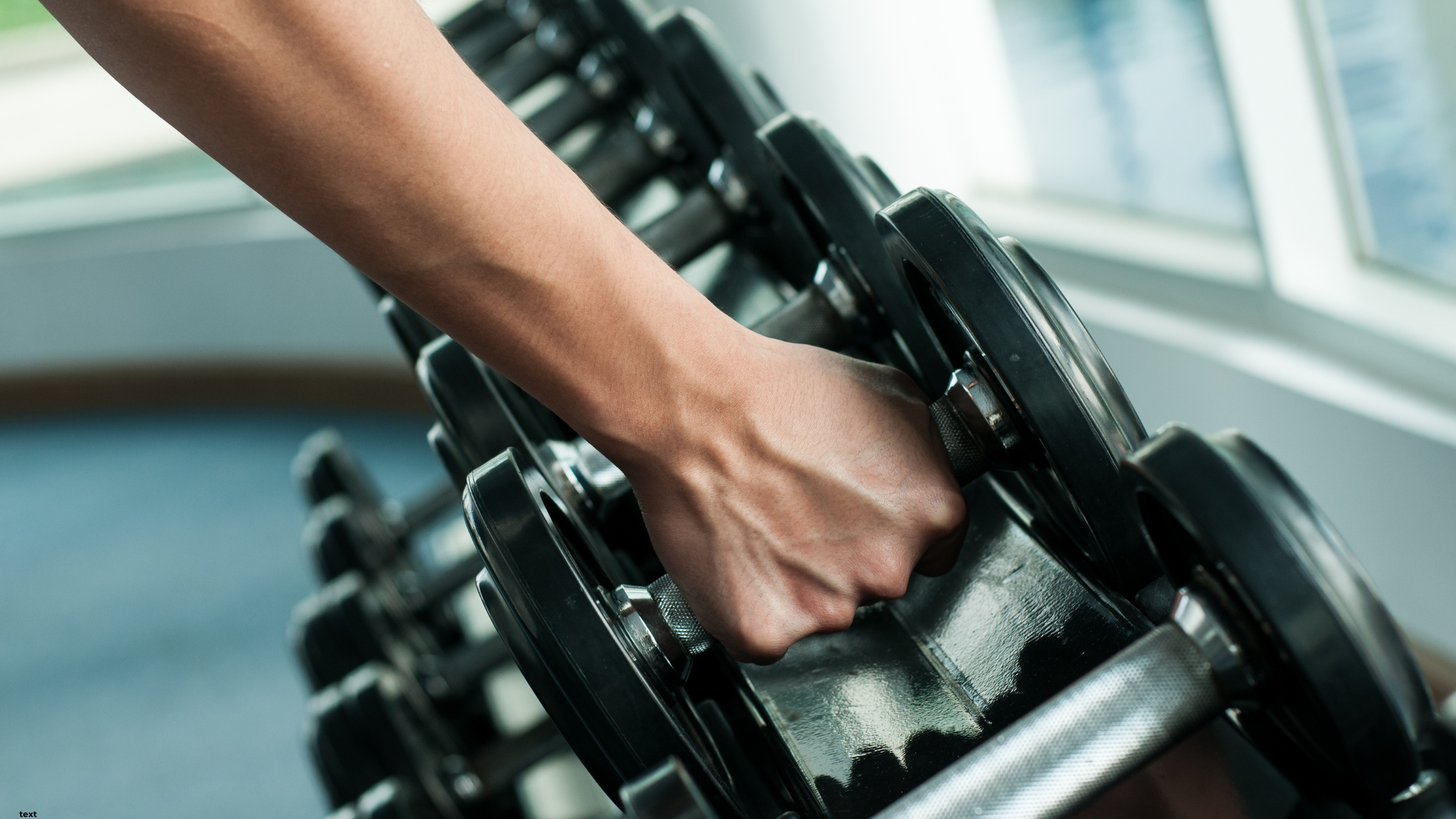
If you’re trying to become leaner after 40, strength training should be part of the conversation.
Not because you need to become a bodybuilder.
But because you want to maintain muscle while losing weight.
Cycling is fantastic cardiovascular exercise, but it should not be the only thing you ask your body to do.
One or two simple strength sessions each week can help you maintain muscle, build resilience, and support the kind of body you actually want to have as you get older.
You do not need anything complicated.
Squat.
Hinge.
Single-leg work.
Push.
Pull.
Core.
That is enough to build a very solid foundation.
8. Stop Being Scared Of Muscle
This is another mindset issue I see in cyclists.
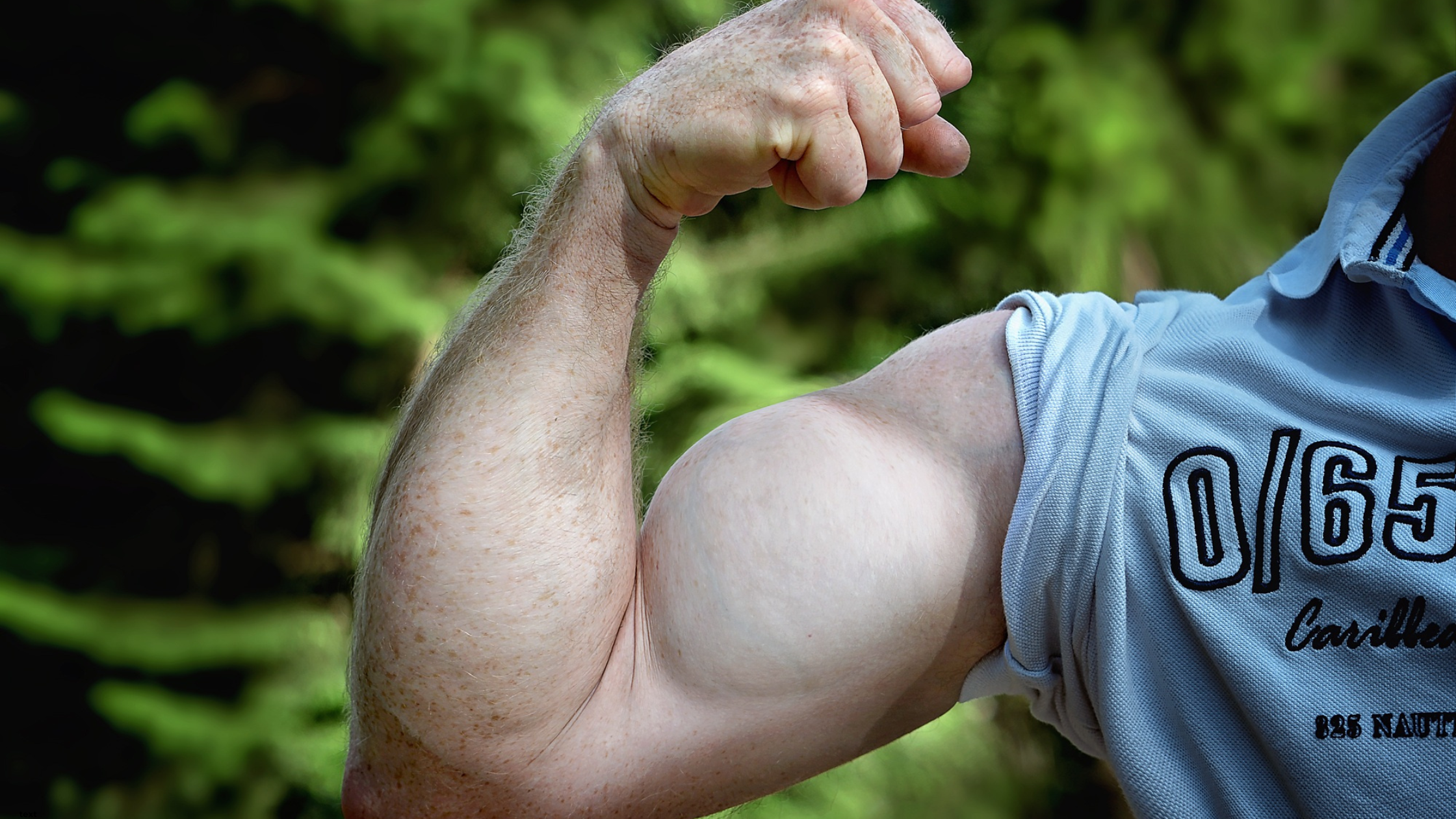
They are terrified of gaining a kilogram of muscle because they think it is going to slow them down.
But being lighter and weaker is not necessarily an improvement.
Especially after 40.
Muscle helps you produce force.
It helps protect your body.
It helps with daily function.
It supports the strength you need on and off the bike.
If you are losing weight, maintaining that muscle becomes even more important.
The goal is not simply to become smaller.
It is to improve your body composition.
9. Improve Your Pacing On Climbs
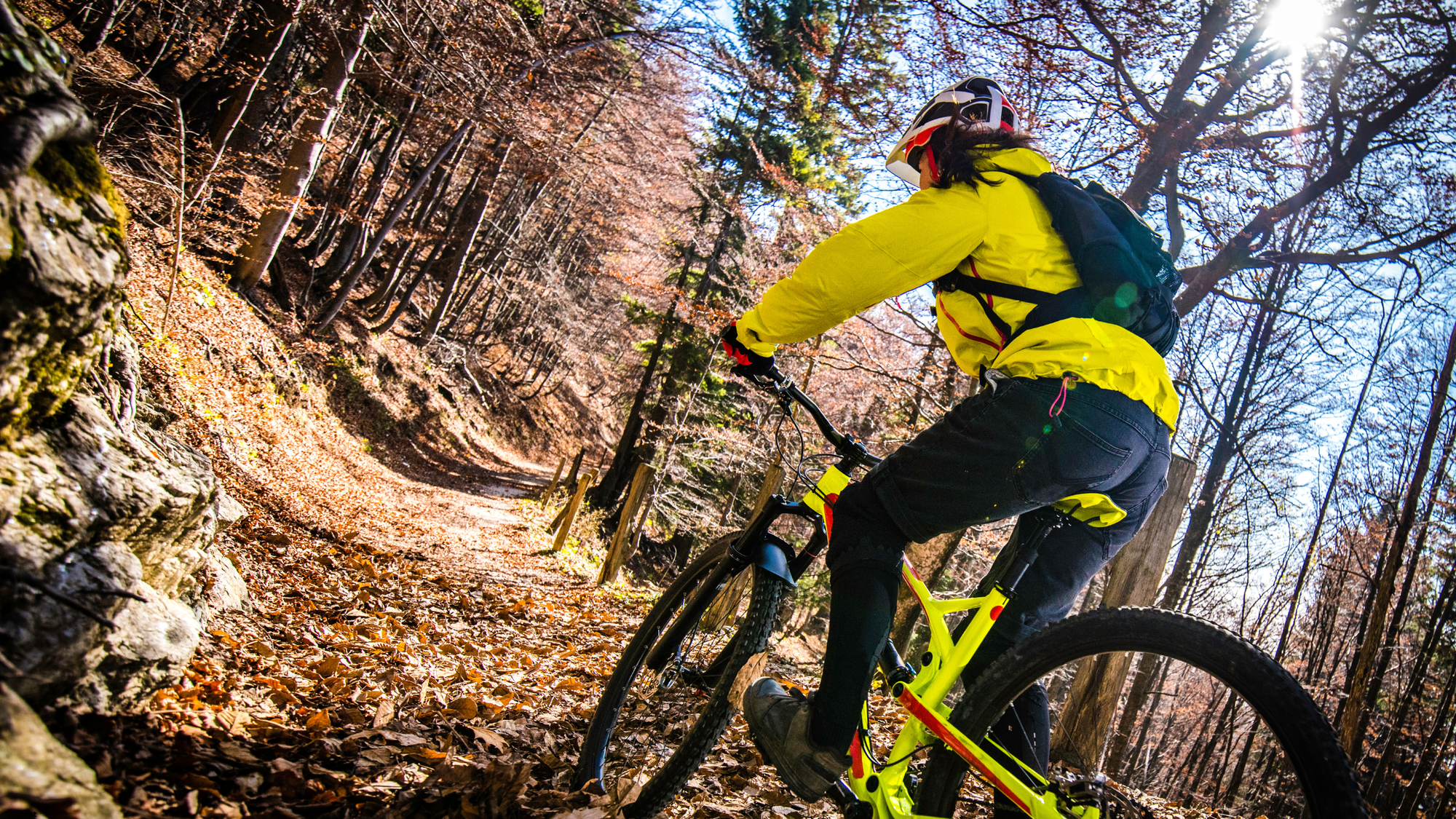
Sometimes the biggest climbing improvement has nothing to do with weight.
Bigger riders often attack climbs far too hard at the bottom.
The gradient goes up.
Everyone accelerates.
You try to stay with them.
Your power spikes.
Five minutes later, you are cooked.
Then the rest of the climb becomes damage limitation.
A smarter approach is to understand the power you can actually sustain and ride to that.
Let people go if you need to.
Ride your own climb.
You will often catch riders who went too hard at the bottom anyway.
10. Use Your Strengths
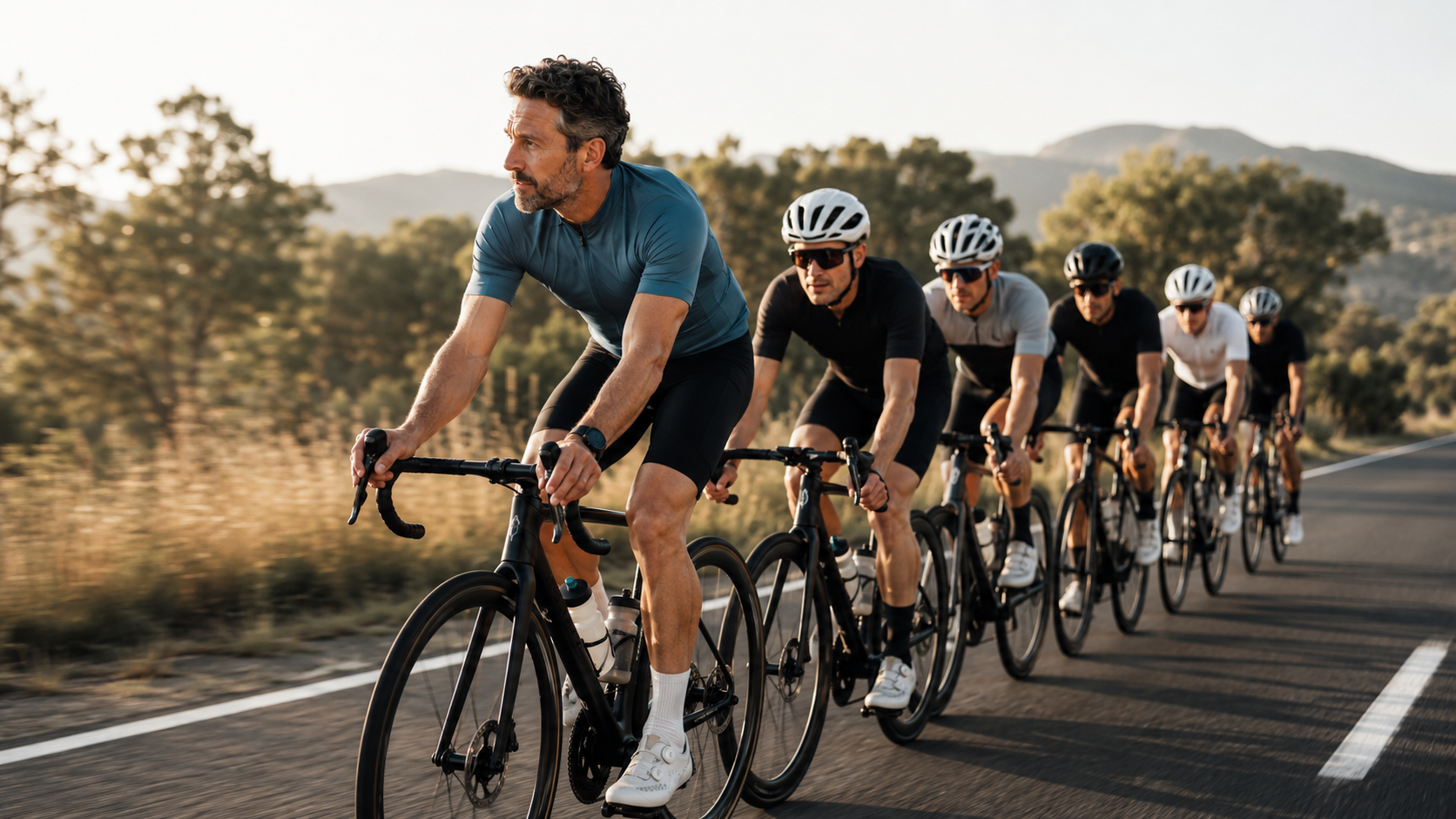
Being a bigger rider is not automatically a disadvantage.
You may have higher absolute power.
You may be strong on flatter roads.
You may be very good in the wind.
You may be better on rolling terrain.
You may descend well.
Cycling is not one endless climb.
So instead of constantly comparing yourself with a 60kg climber, start understanding what you are actually good at.
Then work on the areas that are holding you back.
11. Work On Your Position And Efficiency
Sometimes cyclists chase fitness when the easier win is somewhere else.
Bike fit.
Position.
Cadence.
Stability.
Movement.
If you are uncomfortable, constantly shifting around, or struggling to hold your position, you are wasting energy.
You want as much of the effort you produce as possible going into the pedals.
Not into fighting your own bike for three hours.
12. Take Sleep Seriously

This is one of those things everybody knows matters, but a lot of people still ignore.
You cannot separate training from recovery.
If you are sleeping five or six hours, working long days, and trying to train hard several times a week, eventually something is going to give.
Often the cyclist responds by adding more caffeine and trying to push harder.
Which usually makes things worse.
If your weight has plateaued and your performance has stalled, look at your sleep before automatically adding another interval session.
13. Look At The Whole Week
One bad meal does not make you gain fat.
One healthy salad does not make you lean.
The same applies to training.
One brilliant ride does not transform your fitness.
What matters is what you do consistently across weeks and months.
This is how I coach nutrition as well.
If someone has a meal out on Saturday, we work around it.
If they have a holiday, we plan around it.
If one day goes badly, the next day is not a punishment day.
You zoom out.
You look at the whole week.
That is usually where the answer is.
14. Stop Comparing Yourself With Smaller Cyclists
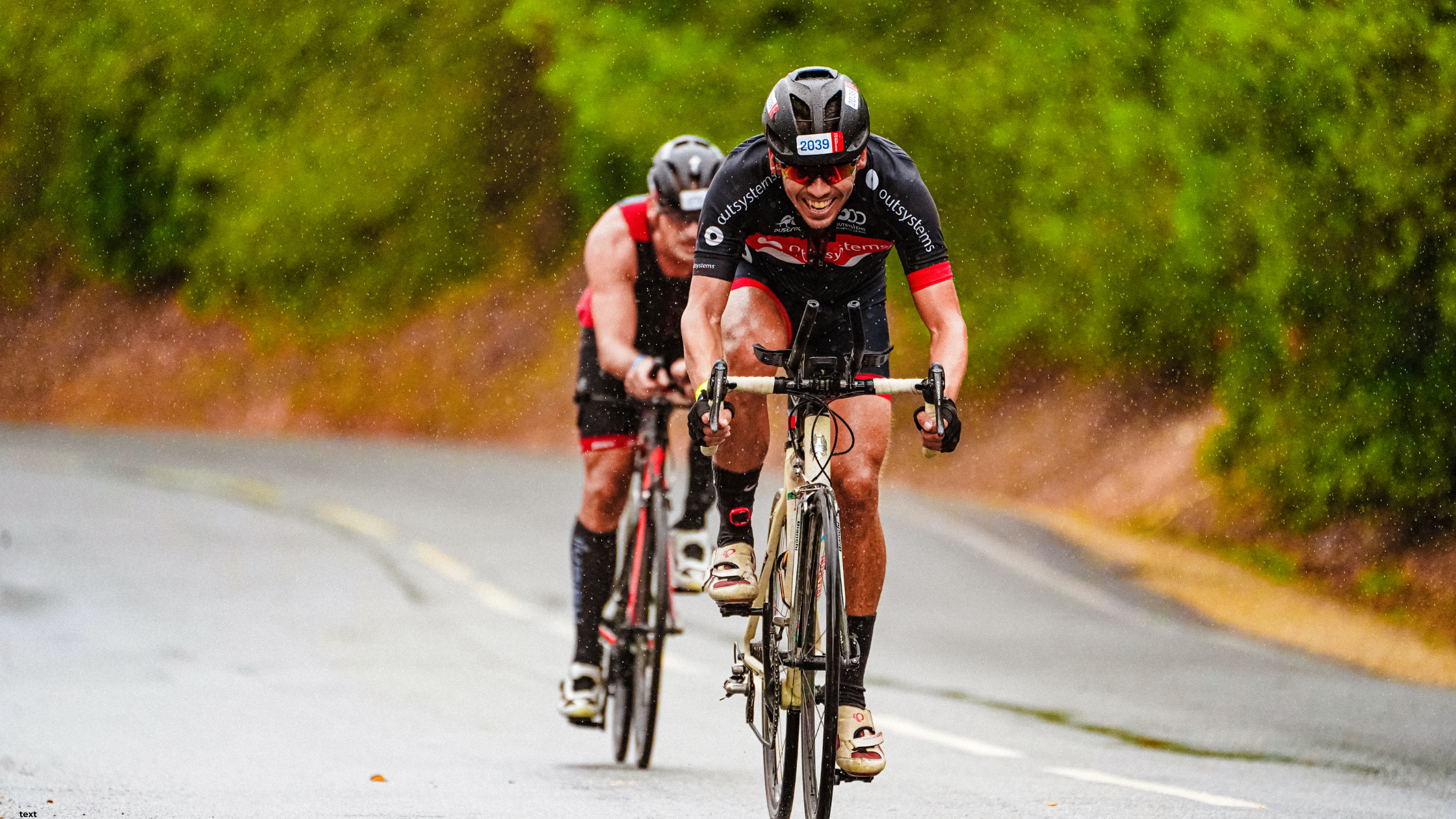
You do not need to become the lightest person in the group.
You need to become a better version of the cyclist you are now.
Stronger.
Fitter.
Healthier.
Better fuelled.
More consistent.
And maybe lighter if excess body fat is holding you back.
But the goal is not to shrink yourself at any cost.
The goal is to improve your ability to ride your bike.
That is what I care about with clients.
Can you stay with the group longer?
Can you climb without blowing up?
Can you ride 100 miles comfortably?
Can you produce more power?
Can you finish a ride feeling strong instead of destroyed?
Can you look in the mirror and feel happier with the person looking back?
Those things matter a lot more than chasing some random number on the scales.
Where I’d Start
If you’re a bigger cyclist over 40, do not try to change all 14 things tomorrow.
Start with four.
Give every ride a purpose.
Fuel your training properly.
Strength train once or twice per week.
Get your nutrition under control away from the bike.
Do those things consistently for the next 8–12 weeks and then look at what has changed.
Your weight.
Your FTP.
Your watts/kg.
Your energy.
And most importantly, how you actually feel on the bike.
That is essentially what I have done with clients like Danny, Duncan, Lewis, and Stefano.
Not endless hours.
Not crash diets with no plan for afterwards.
Not trying to turn them into professional cyclists.
Just improving the whole system.
Because the fastest way for a bigger cyclist to improve is not always becoming much smaller.
Sometimes it is becoming a much better cyclist first and letting the body composition improve alongside it.
Want Some Help Putting This Together?
If you’re over 40 and feel like you are doing plenty of riding but your weight, FTP, or watts/kg are not moving the way you want them to, this is exactly what I work on inside my 1-2-1 coaching.
We look at your training, nutrition, fuelling, strength, recovery, work, family life, and available time, then build the plan around you.
If you’d like to explore whether I can help you get leaner and stronger without simply adding more hours on the bike, book a call with me below.
Neil
Whenever you're ready, here are the ways I can help you:
- The Cycle Lean Coaching: Personalised 1:1 Coaching for Cyclists Who Want to Drop 6–12 kg and Add Up To 60 Watts of FTP While Riding 6-8 hours a Week!
- The Cycle Lean Blueprint: The science-backed 12-week blueprint to cycle leaner, climb stronger, and become the most resilient version of yourself.