Body Sensors, HRV & Data: Are You Tracking Progress… or Just Distracting Yourself?
The Climb (#169)
Before we get into this…
If you’re reading this and thinking:
“This sounds exactly like me”
I help cyclists over 40 structure their training, manage fatigue, and improve performance without burning out.
If you want help applying this properly, you can apply for coaching here
Now let’s break this down.
I was reading recently about all these new body sensors coming into cycling.
Things like continuous glucose monitors, core temperature tracking, sweat composition, and more advanced HRV tools.
On paper, it all sounds like marginal gains.
But in reality, most cyclists don’t need more data. They need a better plan.
Here’s What I See All The Time
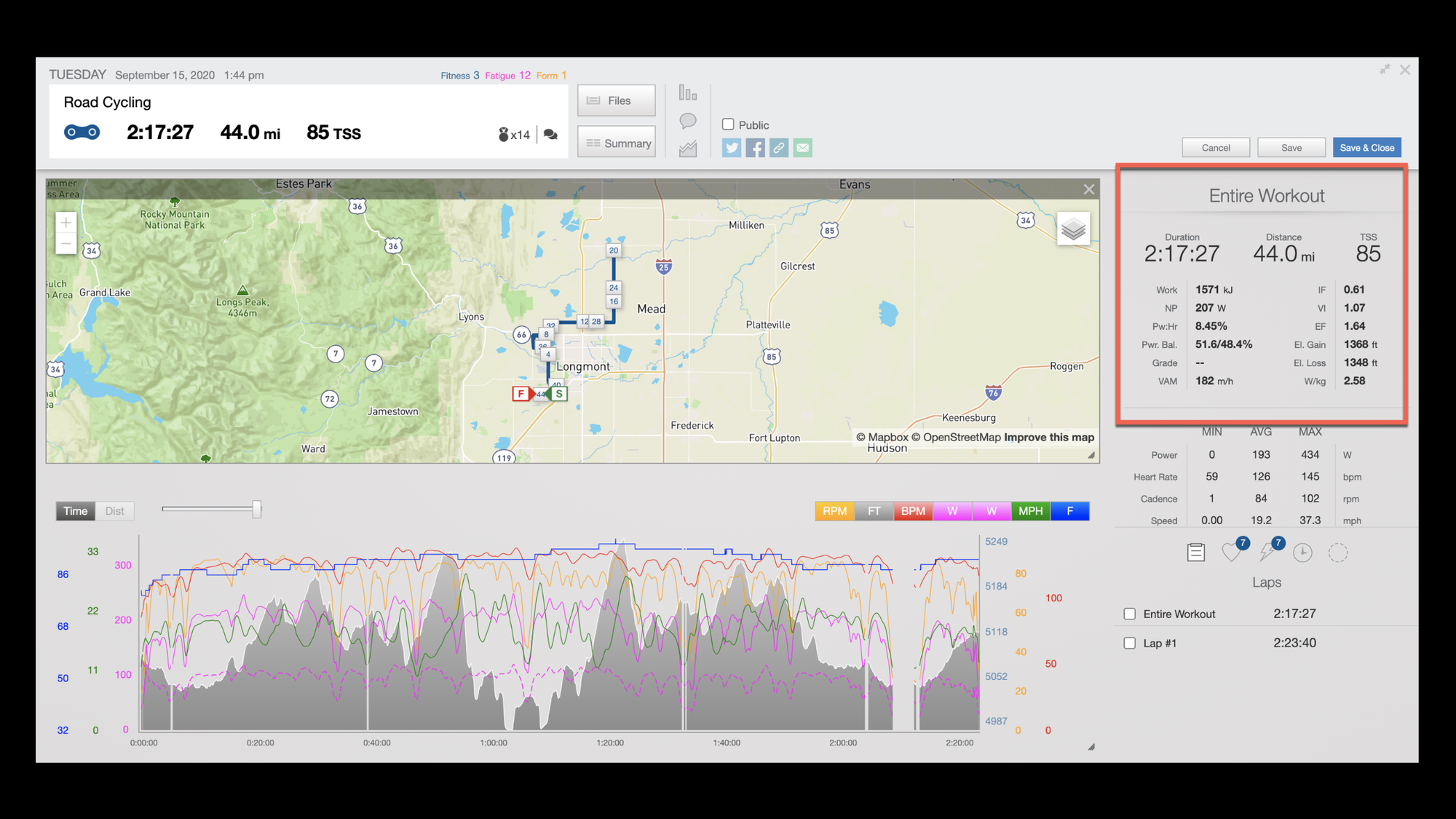
Someone is riding four or five times a week, tracking everything, trying to optimise every detail, and still saying they’re not seeing progress.
When we dig into it, it’s rarely a data problem.
It’s almost always a fundamentals problem.
The Truth Most People Don’t Want To Hear
You don’t need more metrics.
You need better decisions.
I’ve coached plenty of riders using basic heart rate monitors, simple training plans, and no fancy tech at all. And they’ve still lost weight, gained 20–50 watts, and felt stronger on every ride.
Because they focused on what actually matters.
Where Data Actually Helps (If You Use It Right)
I’m not against data. I use it every day with my clients.
But we keep it simple and purposeful.
HRV (But Not The Way You Think)
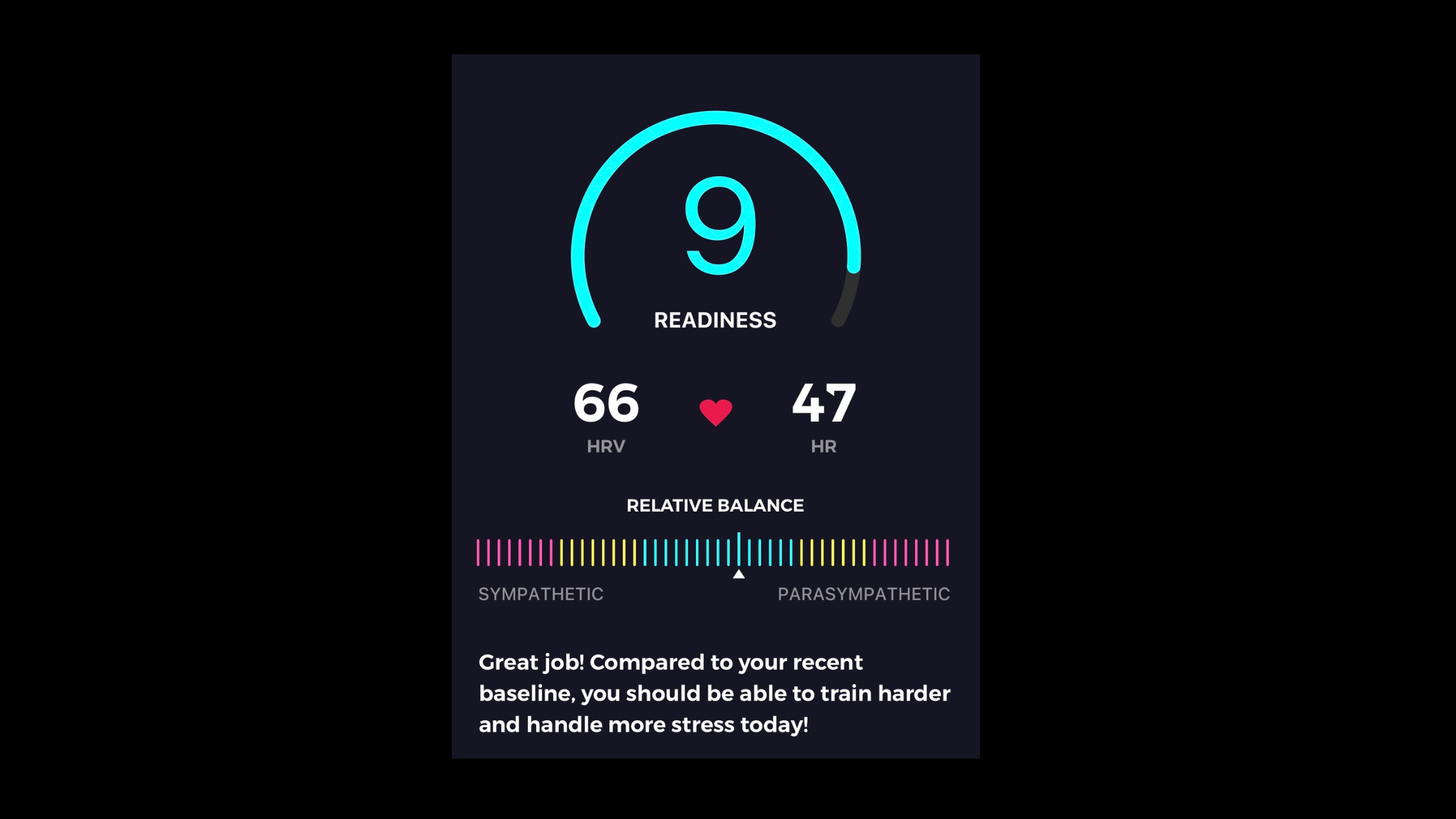
HRV can be a really useful tool for understanding how your body is handling stress and recovery. But the mistake most people make is reacting to it day by day.
A single low score doesn’t mean much. What matters is the trend over time.
Personally, I’ve tested this myself by tracking my HRV over a week using a simple app, alongside my sleep. What I found was clear: when I slept more, my HRV improved. When I slept less, it dropped.
You don’t need to track it all the time, but using it in short blocks like this can give you a really good baseline. If you want more context on how I’ve used this, you can check out my newsletter where I break down my experience with HRV in more detail.
Power vs Heart Rate
This is one of the most useful ways to understand what’s going on in your training.
If your power is improving at the same heart rate, your efficiency is improving and you’re getting fitter.
If your heart rate is climbing for the same power, that usually points to fatigue, poor fuelling, or a lack of recovery.
It’s a simple comparison, but it tells you a lot.
Training Load (Where Most People Get It Wrong)
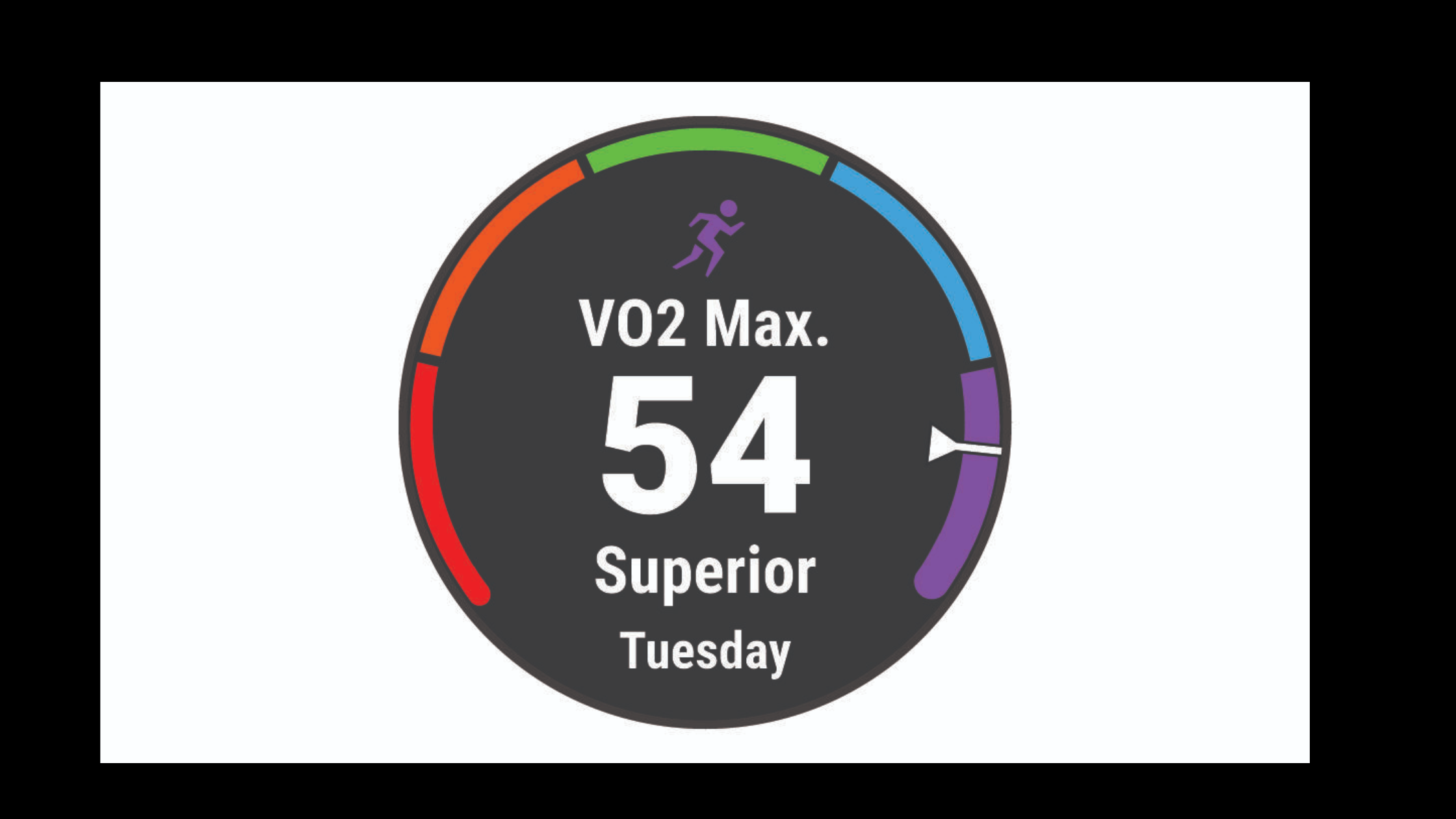
This is where tools like Garmin can sometimes confuse people.
Everything can look “optimal” for weeks, and then suddenly your training status drops into recovery or even detraining.
That can feel frustrating, like you’ve suddenly lost fitness.
But what’s actually happening is your body is struggling to adapt to the load you’ve been applying. It’s not random. It’s a signal that recovery hasn’t kept up with training stress.
My Coaching Philosophy (And Why It Works)
When someone starts working with me, we don’t begin with data.
We begin with what actually moves the needle.
Structure Comes First
Before we look at HRV or anything more advanced, we fix the structure of the week. That means how your sessions are laid out, how intensity is balanced, and how progression is built in.
Without structure, data doesn’t mean much.
Keep It Simple
Most cyclists are overwhelmed by too many numbers and too much conflicting advice.
So we simplify things. We focus on a small number of key metrics, clear targets, and simple feedback loops. That’s where consistency and progress come from.
Data Supports, It Doesn’t Lead
Data is there to support decisions, not make them for you.
We use it to confirm what we’re seeing in training and how you’re feeling, not to dictate every session. You still need to stay connected to how your body feels on the bike.
It Has To Fit Your Life
The best plan in the world is useless if it doesn’t fit your lifestyle.
Everything I build is based around your time, your work, your recovery, and your goals. That’s what makes it sustainable, and that’s what leads to long-term progress.
What This Means For You
If you’re currently tracking loads of data, trying to optimise everything, and still not seeing results, it’s probably not because you need more information.
It’s more likely that your structure needs tightening up.
A Simple Reset
If I was starting again, I’d focus on this:
Two to three structured rides per week.
One proper interval session.
Controlled Zone 2 that isn’t drifting too hard.
Fuel your rides properly.
Manage your calories off the bike.
Get seven to eight hours of sleep.
That alone will take you much further than adding another sensor or chasing another metric.
Final Thought
The best cyclists I’ve worked with aren’t the ones with the most data.
They’re the ones who execute the basics well, consistently.
Whenever you're ready, here are the ways I can help you:
- The Cycle Lean Collective: Personalised 1:1 Coaching for Cyclists Who Want to Ride Stronger and Leaner — Without Wasting Hours Training. Start Today.
- The Cycle Lean Blueprint: The science-backed 12-week blueprint to cycle leaner, climb stronger, and become the most resilient version of yourself.
I am an ambassador for:
Awesome Supplements: Award Winning Supplements — Our plant-based awesome protein powder is 100% UK-made with low-sugar, gluten & dairy-free.
The best protein powder I have ever tasted.
Get 10% off any product/ every time you make a purchase when using my code: DAMERELL10 at Awesome Supplements.