Why Your FTP Is Dropping (Even Though You’re Training Consistently)

The Climb (#168)
Before we get into this…
If you’re reading this and thinking:
“This sounds exactly like me”
I help cyclists over 40 structure their training, manage fatigue, and improve performance without burning out.
If you want help applying this properly, you can apply for coaching here
Now let’s break this down.
You’re riding regularly.
Mixing:
- Zone 2
- intervals
- maybe strength or CrossFit
You’re consistent.
And yet:
- FTP drops
- Sessions feel harder
- Progress stalls
This is where most people get frustrated.
But there’s a clear explanation.
The Hidden Problem: Too Much Stress, Not Enough Recovery
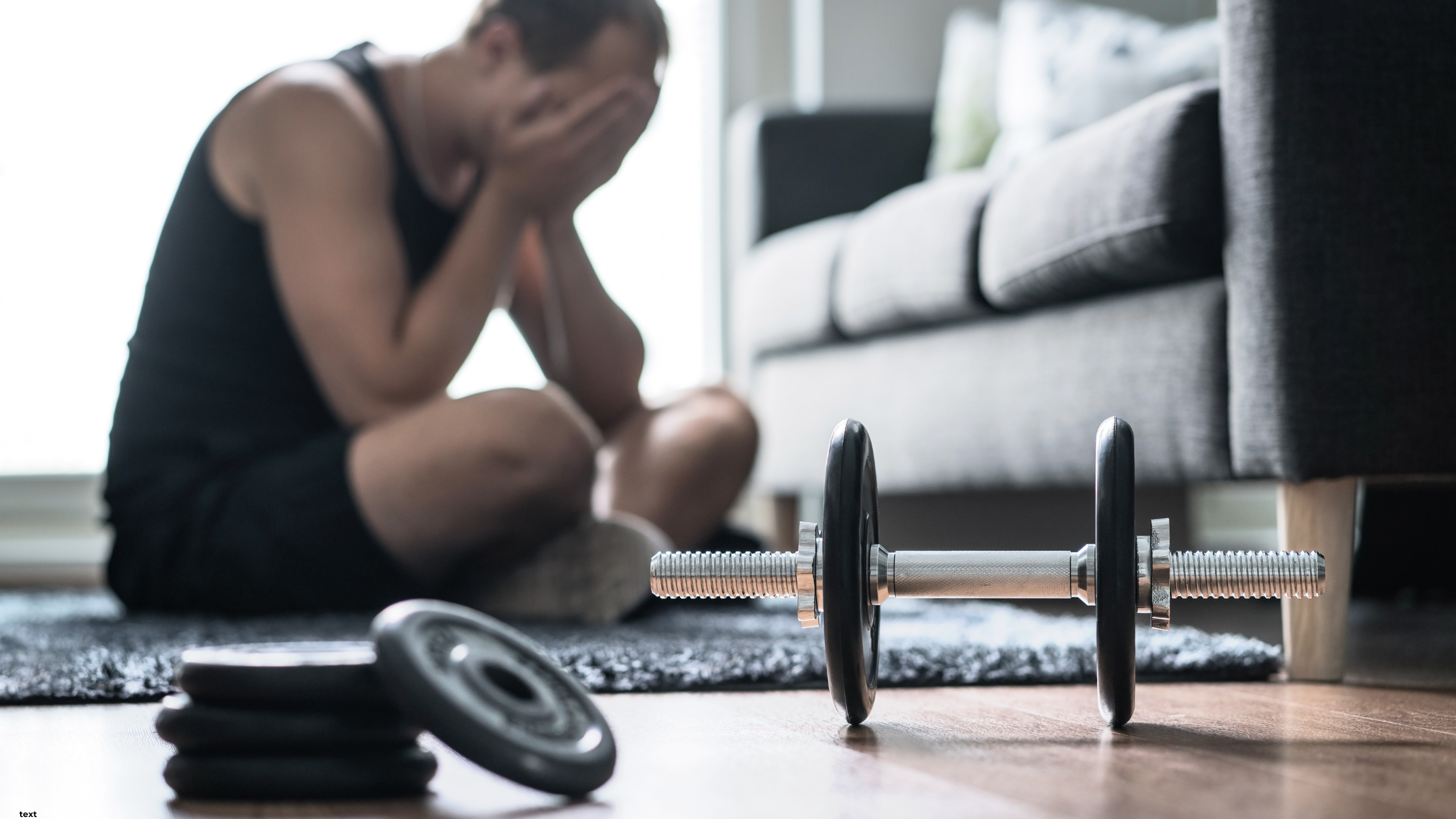
Training creates a stimulus.
That stimulus causes fatigue and micro-damage:
- muscle fibre breakdown
- glycogen depletion
- nervous system fatigue
- hormonal stress (cortisol increase)
Fitness doesn’t happen during training.
It happens during recovery.
This is known as the supercompensation effect:
- Training → fatigue
- Recovery → adaptation
- Adaptation → increased fitness
But if recovery is incomplete…
You stay stuck in the fatigue phase
And over time performance declines despite consistent training
Why FTP Can Decrease (Even When You’re Improving)
FTP is often misunderstood.
It’s not just a measure of fitness.
It’s a snapshot of your current physiological state:
Performance = Fitness – Fatigue
So even if your fitness is improving…
If fatigue is high your FTP test result will be lower
1. Fatigue masks fitness

When fatigue accumulates:
- muscle glycogen is depleted
- neuromuscular efficiency drops
- central nervous system output is reduced
This leads to reduced ability to sustain power.
Research shows that accumulated fatigue reduces motor unit recruitment, meaning fewer muscle fibres are contributing to the effort.
So even if your engine is bigger you can’t access it.
2. Poor fuelling kills performance

Cycling performance is heavily dependent on carbohydrate availability.
Muscle glycogen is your primary fuel source for:
- tempo efforts
- threshold work
- VO2 intervals
If glycogen is low:
- power output drops
- perceived exertion increases
- heart rate rises disproportionately
This is known as cardiovascular drift, where:
Your heart rate climbs to maintain the same power output
Even in a 60–75 minute session, low glycogen = reduced performance.
Check out a recently newsletter where we discuss this in more detail.
3. Recovery dictates output

Recovery is driven by:
- sleep quality
- hormonal balance
- nervous system regulation
Sleep, in particular, plays a huge role.
During deep sleep:
- growth hormone is released
- muscle repair is accelerated
- glycogen stores are replenished
Studies show that sleep restriction:
Reduces time to exhaustion
Increases perceived effort
Decreases power output
So if sleep is compromised, performance will follow.
The Garmin Problem Most Cyclists Miss
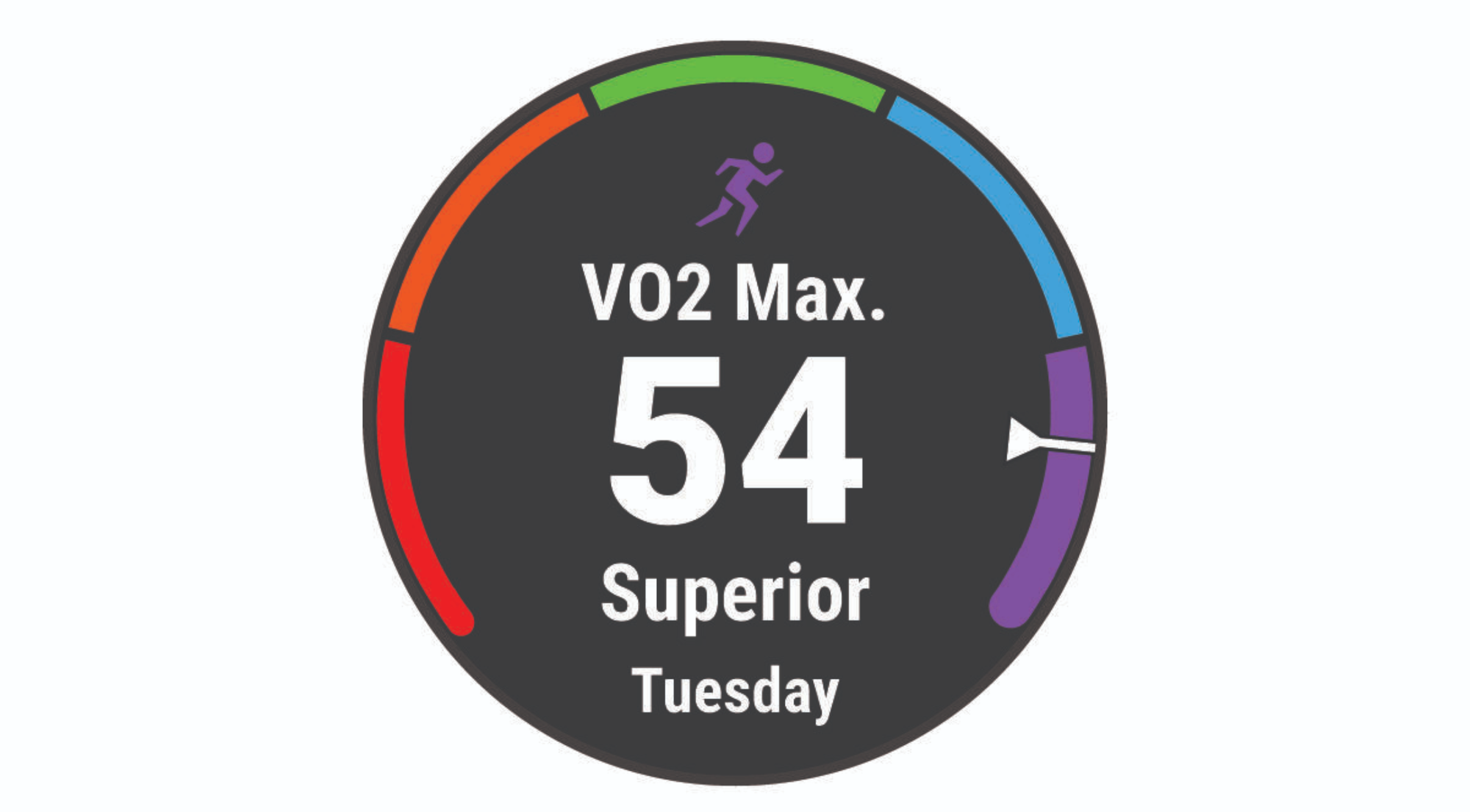
Devices like Garmin estimate training load based on:
- heart rate
- session intensity
- training history
When your load is consistently high, your body enters a state of functional overreaching.
Initially, this can improve fitness.
But if sustained without recovery, it leads to non-functional overreaching.
This is where:
- performance drops
- recovery slows
- fatigue accumulates faster than adaptation
So when Garmin suddenly shows:
- “recovery”
- “detraining”
It’s not random.
It’s detecting that your system is no longer adapting to the load
The Mistake Most Cyclists Make

They underestimate total stress load.
Training stress isn’t just physical.
It includes:
- psychological stress (work, life)
- metabolic stress (nutrition, fuelling)
- mechanical stress (training volume/intensity)
All of this feeds into your allostatic load (total stress on the body).
If that load exceeds your recovery capacity and adaptation stops.
The Principle: Balance Stress and Recovery

The goal isn’t more training.
It’s better balance.
Adaptation = Stress applied at the right dose + adequate recovery
Too little stress means no progress.
Too much stress means no recovery
The sweet spot is where:
Stress is enough to stimulate change and recovery is enough to absorb it.
How To Fix It (Practical Takeaways)
1. Look at your total weekly load
Training load should be managed using:
- volume (hours)
- intensity (zones)
- frequency
But also:
- sleep
- nutrition
- life stress
If performance is declining, your total load likely exceeds your recovery capacity.
2. Stop stacking intensity

High-intensity work drives:
- lactate accumulation
- sympathetic nervous system activation
- hormonal stress
CrossFit + intervals = compounded stress
This leads to prolonged recovery time.
A better structure:
- 80% low intensity
- 20% high intensity
This is supported by polarised training models, shown to improve endurance performance.
3. Make easy days actually easy
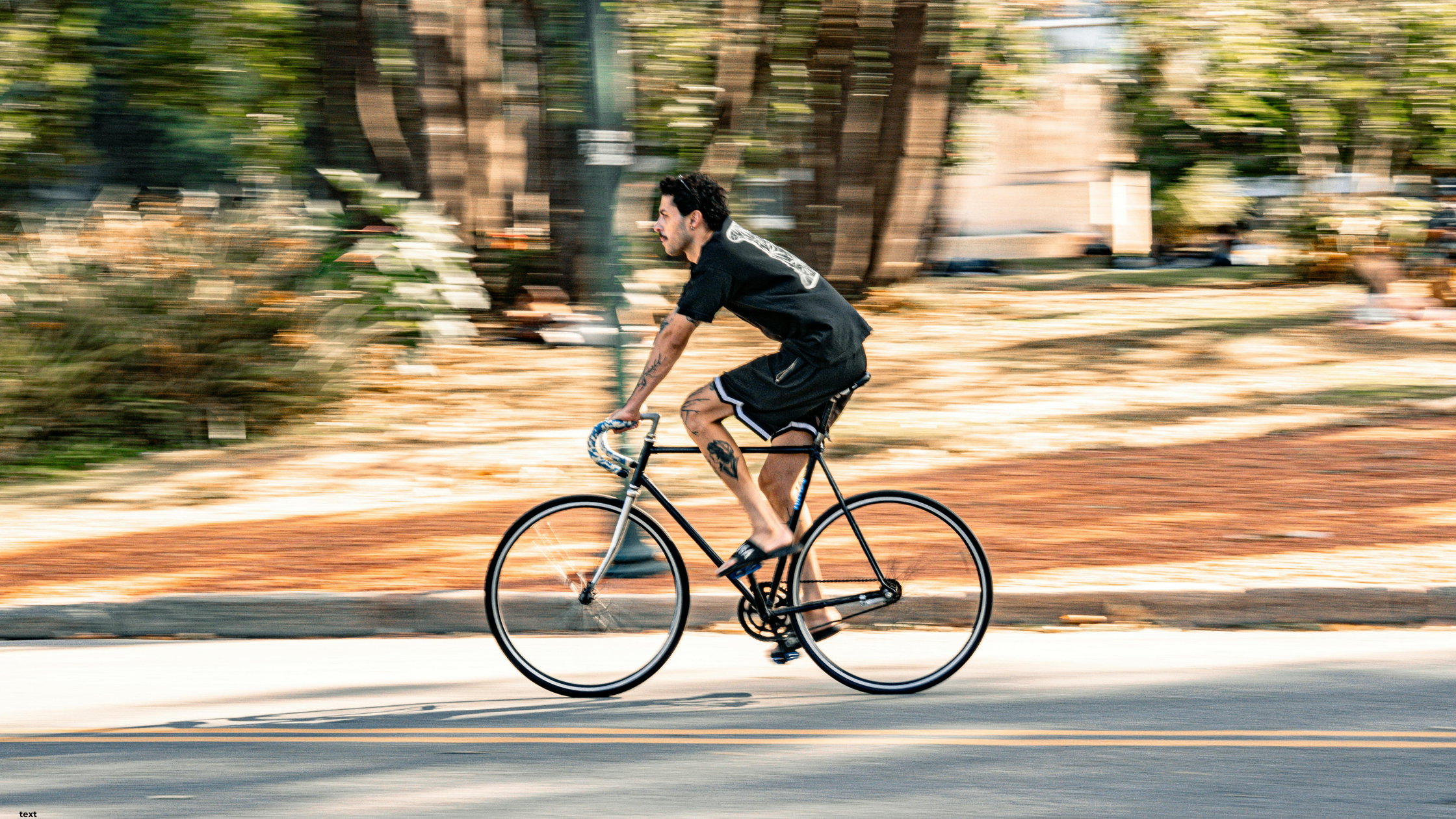
Zone 2 training improves:
- mitochondrial density
- fat oxidation
- capillary density
But only if it stays truly aerobic.
If you drift too high, you increase fatigue without increasing adaptation.
4. Prioritise recovery like it’s part of training

Recovery strategies directly influence:
- glycogen resynthesis
- muscle repair
- hormonal balance
Key targets:
- 7–9 hours sleep
- structured rest days
- low-intensity recovery sessions
5. Use data to guide you
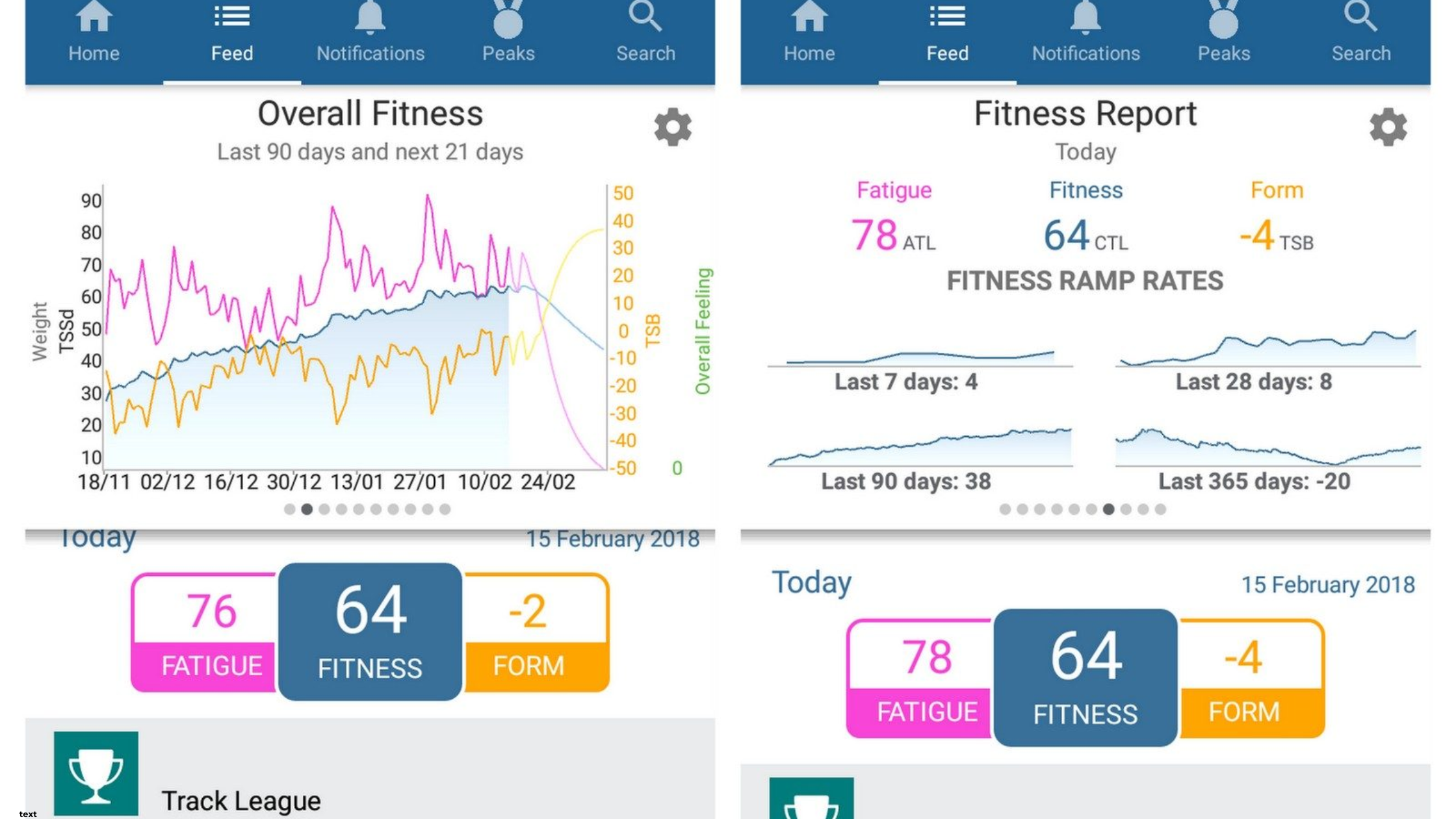
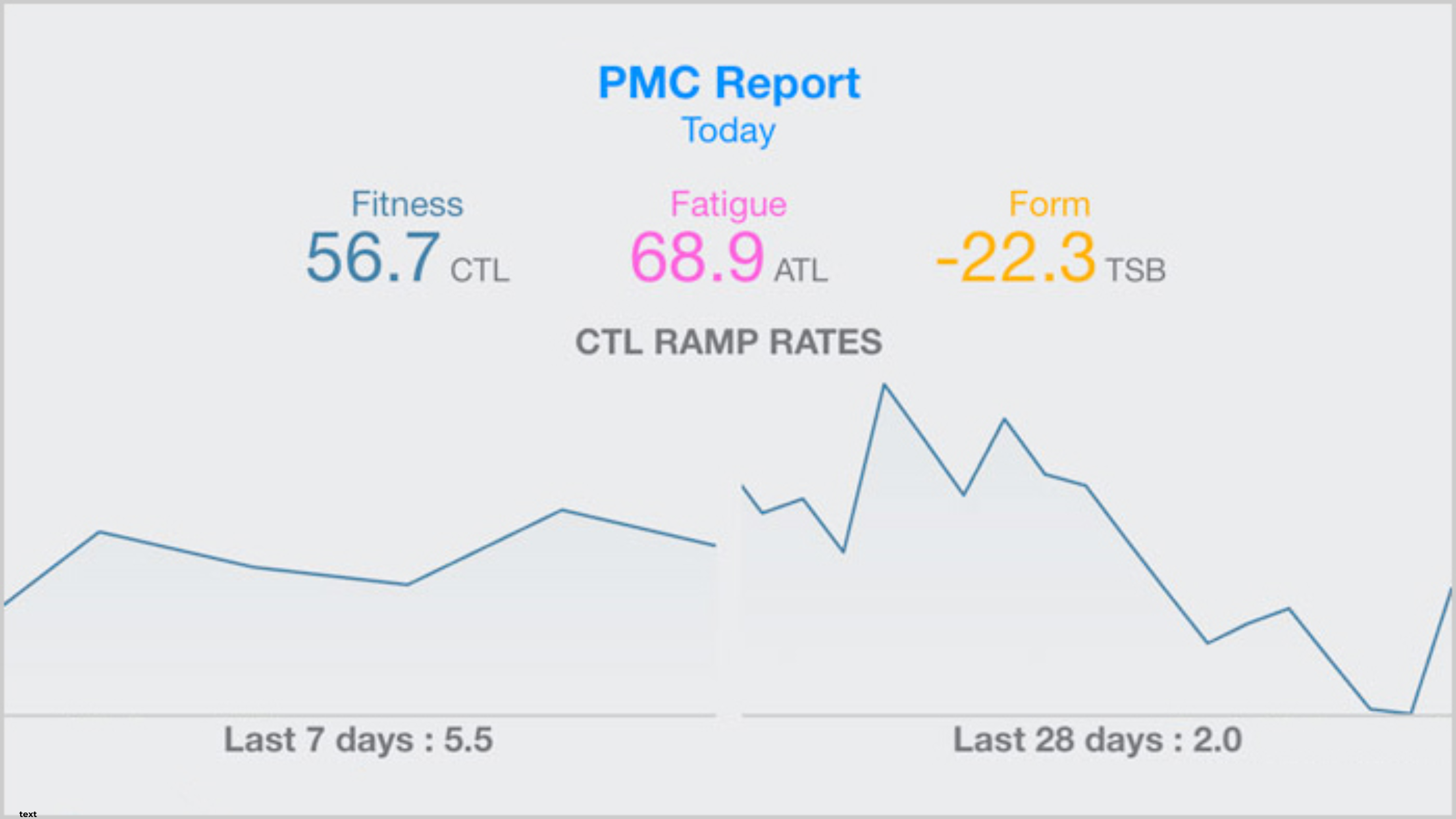
Metrics like:
- CTL (chronic training load)
- ATL (acute training load)
- TSB (training stress balance)
Help you understand, readiness vs fatigue.
A negative TSB (high fatigue) often correlates with reduced performance.
6. Test when you’re fresh
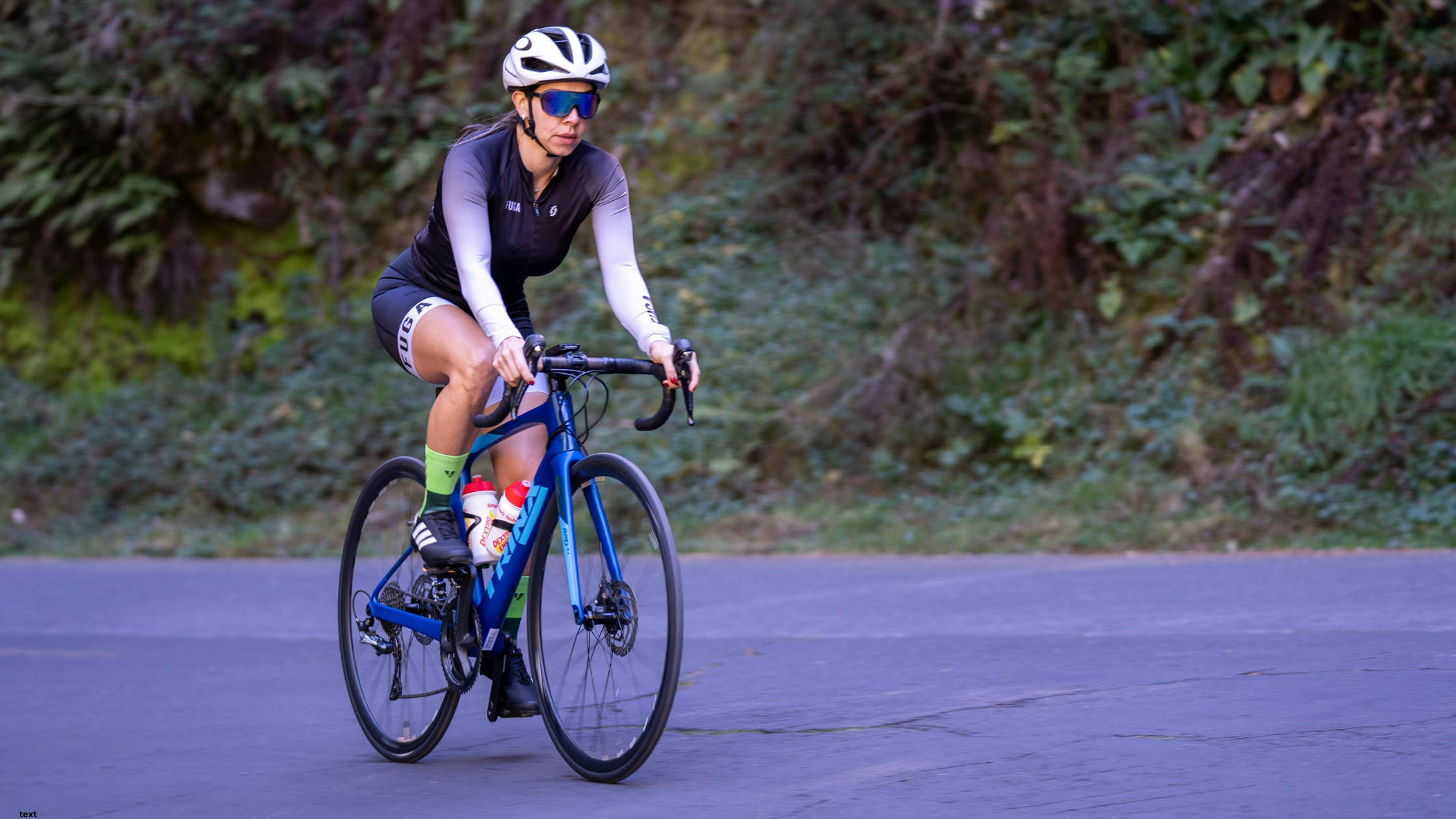
Testing should reflect fitness, not fatigue.
To do that:
- reduce load beforehand (taper)
- ensure glycogen stores are full
- prioritise sleep
This allows maximal power output.
The Shift That Changes Everything
Most cyclists think:
“I need to train harder”
But performance isn’t built by doing more.
It’s built by applying the right stress… and recovering from it.
Final Thought
If your FTP is dropping…
It’s not a sign to push harder.
It’s a signal. Your body isn’t absorbing the work you’re doing
Fix that…And you unlock the progress you’ve been chasing.
Whenever you're ready, here are the ways I can help you:
- The Cycle Lean Collective: Personalised 1:1 Coaching for Cyclists Who Want to Ride Stronger and Leaner — Without Wasting Hours Training. Start Today.
- The Cycle Lean Blueprint: The science-backed 12-week blueprint to cycle leaner, climb stronger, and become the most resilient version of yourself.
I am an ambassador for:
Awesome Supplements: Award Winning Supplements — Our plant-based awesome protein powder is 100% UK-made with low-sugar, gluten & dairy-free.
The best protein powder I have ever tasted.
Get 10% off any product/ every time you make a purchase when using my code: DAMERELL10 at Awesome Supplements.