Why Fasted Rides in Winter Are Overrated — and What Actually Works
The Climb (#156)
Many cyclists still believe fasted winter rides are the best way to burn fat, but modern research and real-world coaching suggest otherwise. This week's The Climb newsletter explains when fasted riding makes sense, when it backfires, and how smarter fueling leads to better fat loss, recovery, and performance, especially for cyclists over 40.
Every winter, the same advice does the rounds:
“Do your easy rides fasted. That’s how you burn fat.”
I followed that advice for years. A lot of cyclists still do. And on the surface, it sounds logical. Low intensity, no breakfast, straight into fat-burning mode.
But here’s the problem: what sounds logical doesn’t always lead to better results.
More recent thinking, and what I see daily with clients, suggests fasted riding is massively overrated, especially if your goal is to lose weight and stay strong.
What we’re seeing more clearly now is that frequent fasted rides and aggressive calorie restriction often undermine recovery, blunt training adaptations, and can even impact bone health and strength over time.
And that matters even more in winter.
Winter is when you’re trying to build a base, lift a bit of strength, stay consistent, and come out the other side healthier and fitter. Under-fueling that process often does the opposite.
Here’s what actually happens when riders overuse fasted rides:
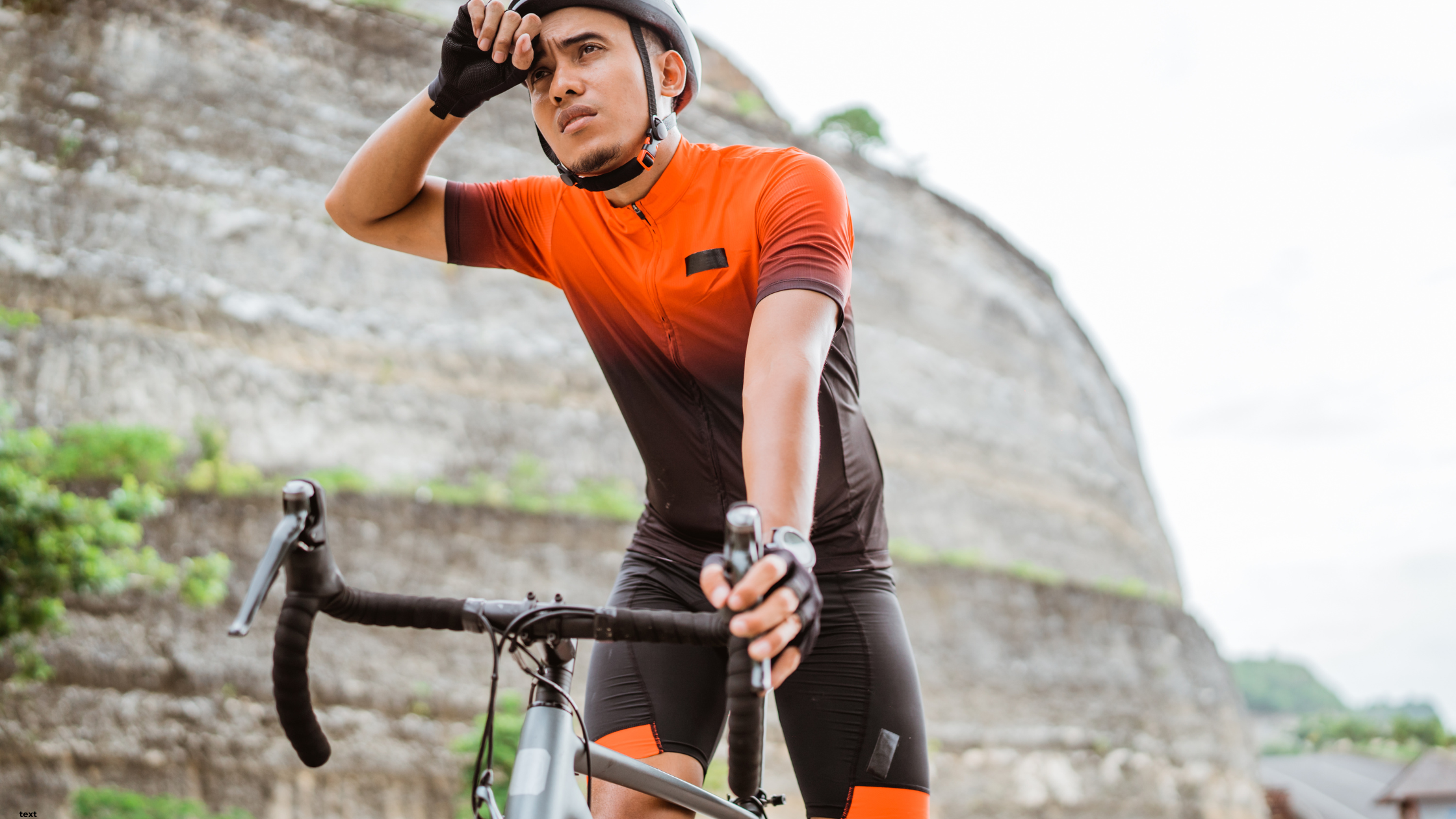
They feel flat.
Their legs stop responding.
Recovery gets worse.
Strength work feels harder.
And fat loss stalls because stress goes up and hunger rebounds later in the day.
That’s not a fat-loss strategy. That’s a slow path to burnout.
So let’s challenge the outdated advice and replace it with something smarter.
Fasted rides can have a place, but only in very specific situations. Short, genuinely easy spins. No intensity. No strength training on the same day. And no expectation that they’re some magic fat-loss tool.
For most cyclists, especially those over 40, working full-time, and doing strength work, the better approach is this: a moderate calorie deficit, proper fueling around harder sessions, and recovery that actually allows adaptation to happen.
Here’s a simple set of guidelines I use with clients.
When fasted riding might be okay:
– Short rides (45–60 minutes max)
– Very low intensity only
– No intervals, no hills, no strength later that day
– Used occasionally, not daily
When fasted riding is a bad idea:
– Before or after strength training
– On interval or hard days
– During high stress or poor sleep weeks
– When you’re already in a calorie deficit
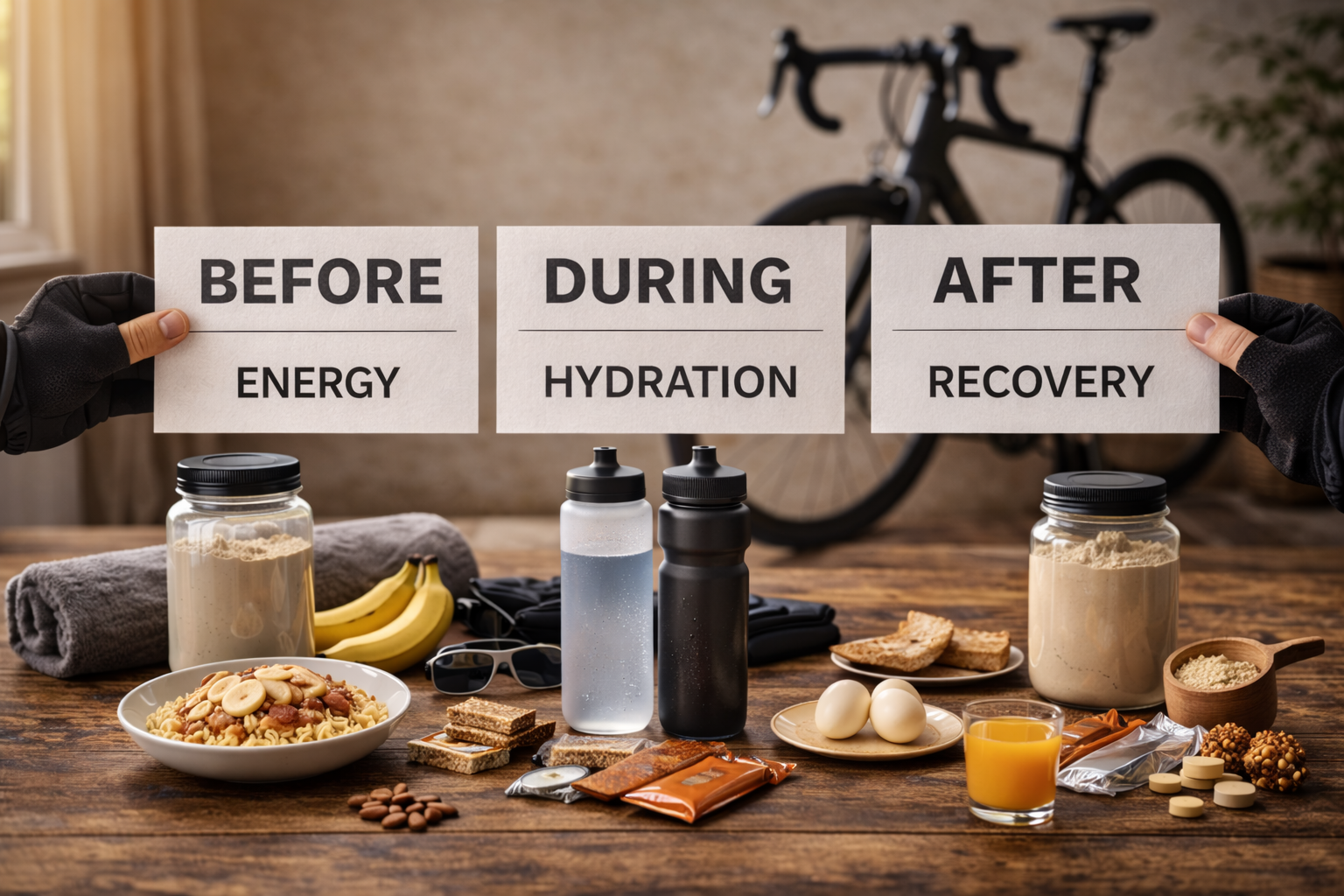
Fueling matters most around the sessions that drive progress. Hard rides need carbs. Strength sessions need protein. And recovery meals matter more than most people think, especially in winter when volume, stress, and fatigue quietly build up.
A better winter strategy looks like this:
Eat enough to support training quality.
Create fat loss through a small, consistent calorie deficit, not starvation.
Fuel hard sessions properly.
Recover well enough to train again.
So if you want to train smarter this winter, here’s what I’d focus on straight away:
– Stop treating fasted rides as a fat-loss shortcut. Use them sparingly, and only on short, genuinely easy days.
– Fuel harder rides and strength sessions properly so training quality stays high.
– Keep your calorie deficit small and consistent rather than aggressive.
– Prioritise recovery just as much as training volume, especially if you’re riding 4–6 hours a week or lifting alongside cycling.
– Measure progress by energy levels, consistency, and performance, not just the number on the scale.
When these pieces line up, winter training becomes far more productive. You lose fat steadily, strength holds or improves, and riding starts to feel purposeful instead of draining.
Smart winter riding isn’t about eating less or suffering more.
It’s about fuelling the right things at the right time, and letting your body actually adapt to the work you’re doing.
Client of the Week — Duncan McNutt, Dentist & Cyclist
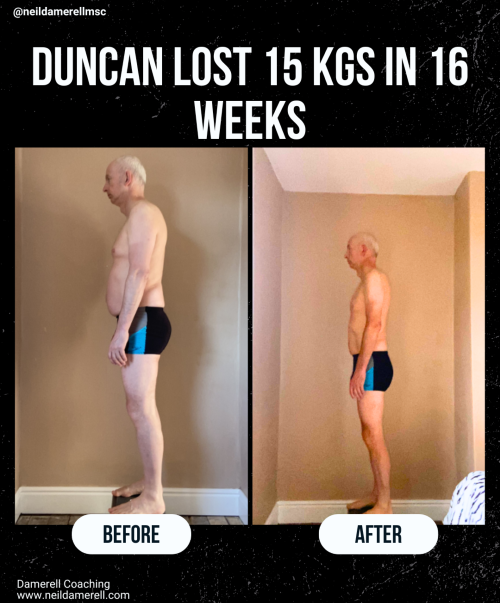
Duncan is a dentist based in Cumbria and has been cycling on and off since he was a kid. Like a lot of riders, life hit hard over the last few years. Pneumonia, Covid twice, lockdown, then a serious bike crash where he broke seven bones, punctured a lung, and spent a long time just trying to get back on his feet.
By the time we started working together, Duncan had put on a lot of weight, his fitness had dropped off, and despite trying on and off for nearly two years, nothing was really sticking. He knew what to do — he just needed someone to help him do it consistently and properly.
When we began, Duncan weighed around 85 kg, was struggling on rides he used to handle easily, and his FTP sat at 242 watts. Fifty miles felt hard. Long rides felt out of reach.
Fast forward just four months.
Duncan is now sitting around 72 kg, regularly completing 100-mile rides, and his FTP has climbed to 265 watts, with plenty more still to come. His watts per kilo jumped from roughly 3.6 to nearly 4.0, and more importantly, his riding feels comfortable again.
But the biggest shift wasn’t just numbers.
He’s training consistently without getting ill. He’s recovering better after long rides. His shoulders and neck no longer fall apart late in the ride thanks to strength and mobility work. And he’s no longer stuck in the cycle of overtraining, burning out, and starting again.
Here’s what made the difference:
- A sustainable, periodised training plan instead of random hard riding
- Proper fuelling on the bike, from the start of the ride, not waiting an hour
- Strength and mobility work to support long rides and durability
- Letting go of the idea that every missed session needs “catching up”
- Focusing on long-term consistency rather than short-term hero efforts
Duncan didn’t just lose weight or get fitter. He rebuilt confidence in his body and his riding. He’s now training from a place of strength instead of frustration — and lining up big goals again because he knows he’s ready.
Incredible work, Duncan.
Whenever you're ready, here are the ways I can help you:
- The Cycle Lean Collective: Get ready to transform your fitness journey with our new and improved 1-2-1 coaching programme.
- The Cycle Lean Blueprint: The science-backed 12-week blueprint to cycle leaner, climb stronger, and become the most resilient version of yourself.
I am an ambassador for:
Awesome Supplements: Award Winning Supplements — Our plant-based awesome protein powder is 100% UK-made with low-sugar, gluten & dairy-free.
The best protein powder I have ever tasted.
Get 10% off any product/ every time you make a purchase when using my code: DAMERELL10 at Awesome Supplements.